




Are there different classes of track cars?
 Jan 01, 2026|
 Are there different classes of track cars? This is a question that often comes up in the world of rail transportation and industrial applications. As a track car supplier, I can attest to the fact that there are indeed various classes of track cars, each designed to meet specific needs and requirements.
Classification by Function
One of the primary ways to classify track cars is by their function. There are track cars designed for transportation, inspection, maintenance, and specialized tasks.
Transportation Track Cars
Transportation track cars are used to move goods and materials along the railway tracks. These cars come in different sizes and capacities, depending on the volume and weight of the cargo they need to carry. For example, some transportation track cars are designed to carry bulk materials such as coal, grain, or ore, while others are used for transporting containers or other types of freight. These cars are typically equipped with strong frames and wheels to withstand the heavy loads and the rigors of long - distance travel.
Inspection Track Cars
Inspection track cars play a crucial role in ensuring the safety and integrity of the railway tracks. They are equipped with various sensors and monitoring devices to detect any signs of wear, damage, or defects in the tracks. For instance, the DRT - 1 Hand Push Dual Track Rail Tester is a specialized inspection track car that can be manually pushed along the tracks to test the electrical and mechanical properties of the rails. It helps railway maintenance teams to identify potential problems early and take preventive measures to avoid accidents.
Maintenance Track Cars
Maintenance track cars are used to perform various maintenance tasks on the railway tracks, such as track repair, replacement of sleepers, and ballast cleaning. These cars are often equipped with tools and equipment such as cranes, welding machines, and ballast regulators. They are essential for keeping the railway infrastructure in good condition and ensuring the smooth operation of trains.
Specialized Track Cars
There are also track cars designed for specialized tasks. For example, some track cars are used for railway construction projects, while others are used in mining operations to transport materials within the mine. The Road Rail Vehicles are a unique type of track car that can operate both on roads and railway tracks. They provide flexibility in transportation and are often used in situations where quick access to different locations is required.
Classification by Power Source
Another way to classify track cars is by their power source. There are track cars powered by diesel engines, electric motors, and even human power.
Diesel - Powered Track Cars
Diesel - powered track cars are widely used due to their high power and long - range capabilities. They are suitable for heavy - duty applications such as transporting large volumes of cargo over long distances. Diesel engines provide the necessary torque to move the heavy loads and can operate in areas where there is no access to an electrical power supply. However, diesel - powered track cars also produce emissions, which can be a concern in terms of environmental impact.
Electric - Powered Track Cars
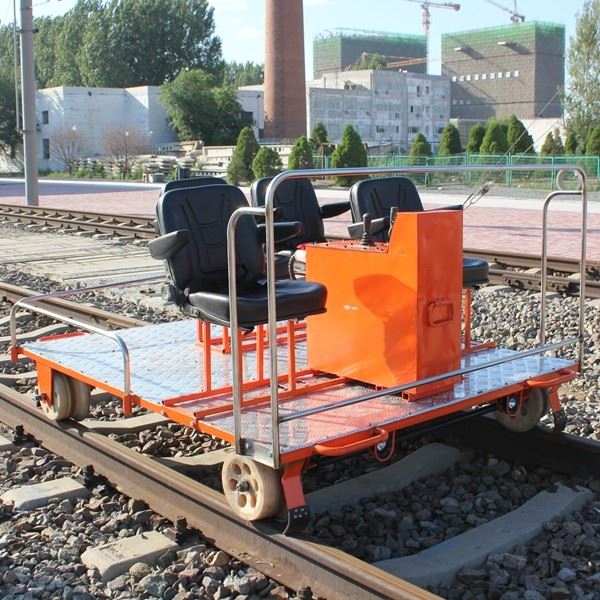
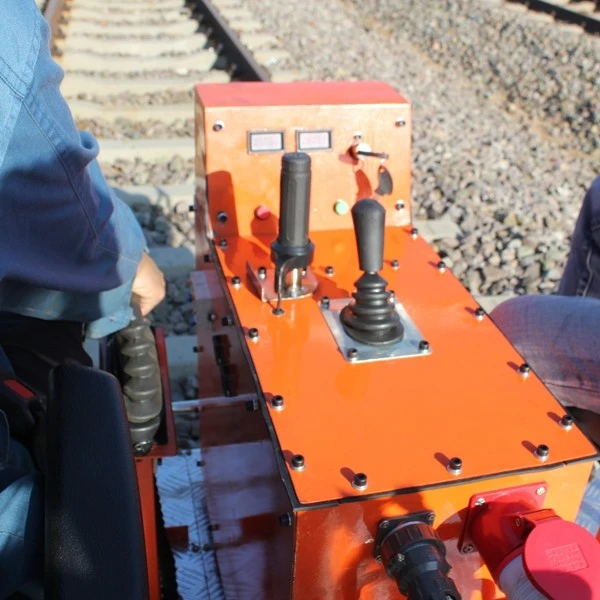
Electric - powered track cars are becoming increasingly popular due to their environmental friendliness and energy efficiency. They are often used in urban areas and industrial facilities where emissions need to be minimized. Electric track cars can be powered by overhead lines, third rails, or batteries. The Customized Li - battery Aluminium Alloy Railway Track Trolley 2seat/4seat is an example of an electric - powered track car that uses lithium - ion batteries. These batteries offer a long - lasting power source and are relatively lightweight, making the track car more agile.
Human - Powered Track Cars
Human - powered track cars are the simplest form of track cars. They are typically used for light - duty tasks or in situations where a small amount of equipment needs to be moved over a short distance. These track cars are often hand - pushed or pedal - powered and are suitable for inspection and maintenance work in areas with limited access.
Classification by Design and Construction
Track cars can also be classified based on their design and construction. This includes factors such as the number of axles, the type of suspension, and the material used in the construction.
Axle Configuration
The number of axles in a track car affects its load - carrying capacity and stability. Track cars with more axles can distribute the weight of the load more evenly, allowing them to carry heavier loads. For example, some large - scale transportation track cars may have four or more axles to support the weight of the cargo.
Suspension System
The suspension system of a track car is important for ensuring a smooth ride and reducing the impact on the tracks. There are different types of suspension systems, such as leaf spring suspension, coil spring suspension, and air suspension. Each type of suspension has its own advantages and disadvantages, and the choice of suspension depends on the specific requirements of the track car.
Material of Construction
The material used in the construction of a track car can also vary. Common materials include steel, aluminum alloy, and fiberglass. Steel is strong and durable, making it suitable for heavy - duty track cars. Aluminum alloy is lightweight and corrosion - resistant, which is beneficial for electric - powered track cars. Fiberglass is often used for its high strength - to - weight ratio and its ability to be molded into different shapes.
The Importance of Choosing the Right Class of Track Car
Choosing the right class of track car is crucial for ensuring the efficiency and safety of railway operations. Different applications require different types of track cars, and using the wrong type can lead to inefficiencies, increased maintenance costs, and even safety risks.
For example, if a transportation track car is not properly sized or configured for the cargo it needs to carry, it may not be able to transport the goods efficiently. This can result in longer transit times and higher costs. Similarly, if an inspection track car does not have the right sensors and monitoring devices, it may miss important defects in the tracks, leading to potential accidents.
Contact Us for Your Track Car Needs
If you are in the market for a track car, whether it is for transportation, inspection, maintenance, or a specialized task, we are here to help. As a leading track car supplier, we offer a wide range of track cars to meet your specific requirements. Our team of experts can assist you in choosing the right class of track car for your application and provide you with the necessary support and maintenance services.
We understand that every customer has unique needs, and we are committed to providing customized solutions. Whether you need a diesel - powered transportation track car or an electric - powered inspection track car, we can work with you to design and build a track car that meets your exact specifications.
Contact us today to start the conversation about your track car requirements. We look forward to working with you to find the perfect track car solution for your business.
References
- Railway Engineering Handbook, various authors
- Journal of Rail Transportation Research, multiple issues
- Industry reports on track car technology and applications