




Can a rail tamper be used on magnetic levitation railway tracks?
 Nov 07, 2025|
 Hey there! As a supplier of rail tampers, I often get asked some pretty interesting questions. One that's been popping up a lot lately is, "Can a rail tamper be used on magnetic levitation railway tracks?" Well, let's dive right into this topic and break it down.
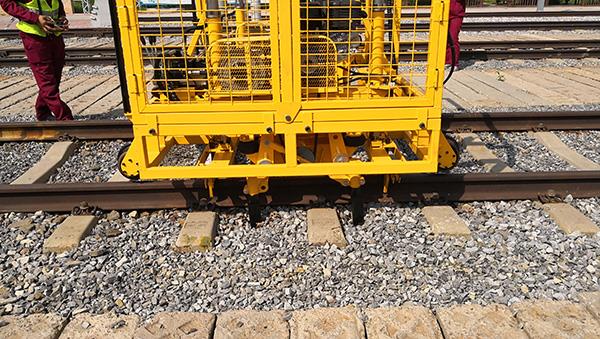
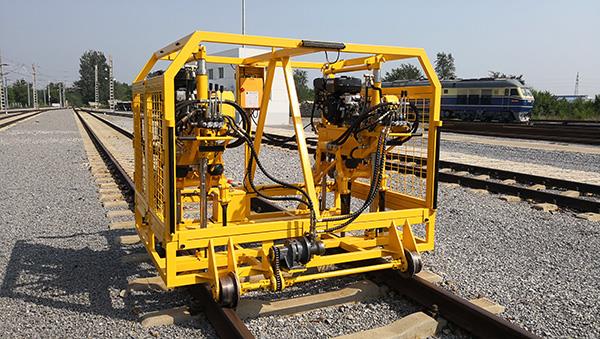
First off, let's understand what a rail tamper is. A rail tamper is a machine used to pack (or tamp) the ballast under railway tracks to make sure the tracks are stable and properly aligned. It's a crucial piece of equipment for maintaining the safety and functionality of traditional railway systems. We've got some great options in our product line, like the YD - 22Ⅲ Intelligent Rail Tamping Machine Unit, the Hydraulic Ballast Tamping Machine YD - 22 For Railway, and the Railroad Tamper. These machines are designed to work efficiently on regular railway tracks, but what about maglev tracks?
Magnetic levitation, or maglev for short, is a completely different ballgame compared to traditional railways. In a maglev system, trains float above the tracks using magnetic forces, eliminating the need for wheels and reducing friction to a minimum. This technology allows for incredibly high - speed travel and a smoother ride.
The key difference between maglev tracks and traditional railway tracks lies in their construction and the way they support the trains. Traditional tracks are laid on a bed of ballast, which is typically crushed stone. The ballast provides support and drainage, and it's this ballast that rail tampers are designed to work with. Rail tampers use tamping tools to compact the ballast around the sleepers (ties), ensuring that the tracks stay in place and can withstand the weight and movement of trains.
On the other hand, maglev tracks don't have ballast. They are usually made of a combination of concrete and steel structures with built - in magnetic coils. These tracks are designed to generate the magnetic fields needed to levitate and propel the trains. Since there's no ballast to tamp, the traditional function of a rail tamper becomes obsolete.
But does that mean rail tampers have no place in maglev railway maintenance? Well, not exactly. While they can't be used for the traditional tamping of ballast, there are other aspects of maglev track maintenance where a rail tamper's technology could potentially be adapted.
For example, the precision movement and control systems in modern rail tampers could be useful in the installation and alignment of the magnetic coils on maglev tracks. These coils need to be placed with extreme accuracy to ensure the proper functioning of the maglev system. A rail tamper's ability to move precisely along the track and position tools accurately could be repurposed for this task.
Also, the hydraulic systems in rail tampers are designed to generate a significant amount of force. This force could be used in the maintenance of the concrete and steel structures that make up the maglev tracks. For instance, if there are any cracks or damage to the concrete, the hydraulic power of a rail tamper could be used to apply repair materials with the necessary pressure.
However, there are some major challenges in adapting rail tampers for maglev track maintenance. One of the biggest challenges is the magnetic environment. Maglev tracks generate strong magnetic fields, which could interfere with the electronic and mechanical components of a rail tamper. Special shielding and design modifications would be required to ensure that the rail tamper can operate safely and effectively in this environment.
Another challenge is the difference in track geometry. Maglev tracks often have unique shapes and curves that are optimized for high - speed travel. Rail tampers are typically designed for the more standard geometry of traditional railway tracks. Adapting the machine to fit and work on these non - standard maglev track geometries would require significant engineering changes.
In conclusion, while a traditional rail tamper can't be used in the same way on maglev railway tracks as it is on traditional tracks, there is potential for adapting its technology for maglev track maintenance. With some innovative engineering and design modifications, the precision movement, hydraulic power, and control systems in rail tampers could be put to good use in the maglev industry.
If you're in the railway maintenance business, whether it's traditional or maglev, and you're interested in our rail tampers or exploring the possibilities of adapting them for your specific needs, we'd love to hear from you. Get in touch with us to start a conversation about your requirements and how we can help you find the best solutions for your railway maintenance challenges.
References
- "Magnetic Levitation Technology: Principles and Applications" - A comprehensive book on maglev technology.
- "Railway Track Maintenance Handbook" - A guide to the maintenance of traditional railway tracks, which provides insights into the functions of rail tampers.