




Can weld shears be used on copper welds?
 Oct 08, 2025|
 As a seasoned supplier of weld shears, I often encounter inquiries about the compatibility of our products with different welding materials. One question that frequently arises is whether weld shears can be used on copper welds. In this blog post, I will delve into this topic, exploring the technical aspects, practical considerations, and potential applications of using weld shears on copper welds.
Understanding Copper Welds
Copper is a highly conductive and malleable metal, making it a popular choice for various applications, including electrical wiring, plumbing, and jewelry making. When it comes to welding copper, different techniques can be employed, such as TIG (Tungsten Inert Gas) welding, MIG (Metal Inert Gas) welding, and soldering. Each method has its own set of characteristics and requirements, which can influence the suitability of using weld shears.
TIG welding is a precise and clean welding process that uses a non-consumable tungsten electrode to create an arc between the electrode and the copper workpiece. This method is commonly used for high-quality welds, especially in applications where appearance and strength are critical. MIG welding, on the other hand, uses a consumable wire electrode to create the weld. It is a faster and more efficient process, but it may produce more spatter and require more post-weld cleaning. Soldering is a lower-temperature joining process that uses a filler metal with a melting point below that of the base metal. It is often used for joining thin copper sheets or for making electrical connections.
Compatibility of Weld Shears with Copper Welds
The compatibility of weld shears with copper welds depends on several factors, including the type of welding process used, the thickness of the copper material, and the design and capabilities of the weld shears.
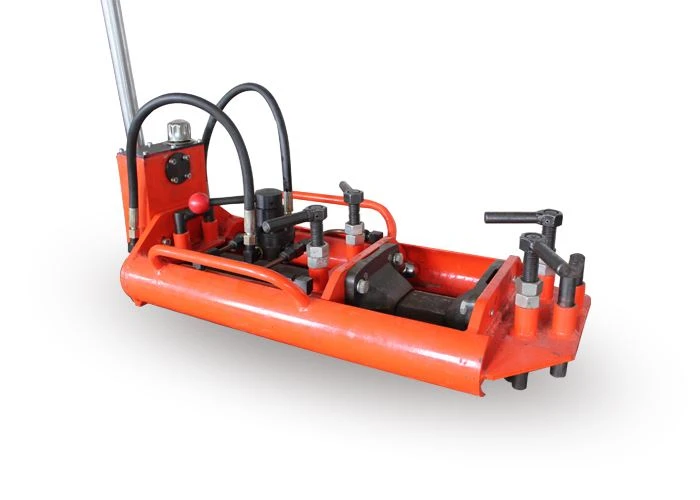
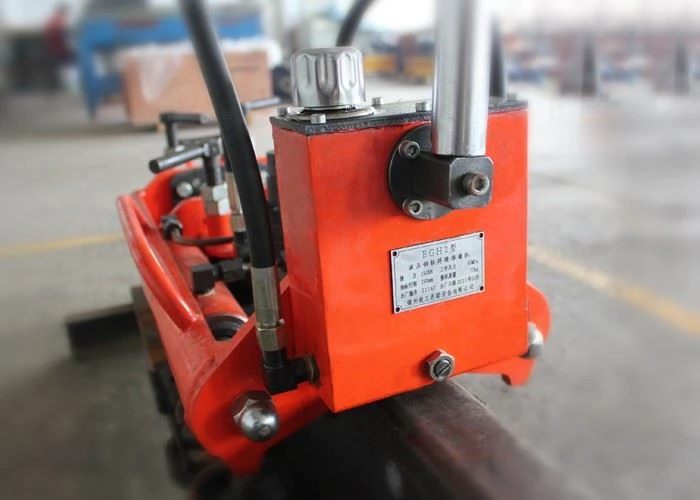
- Welding Process: TIG and MIG welding typically produce stronger and more durable welds compared to soldering. Weld shears are generally better suited for cutting through these types of welds, as they are designed to handle the higher forces and stresses associated with stronger welds. Soldered joints, on the other hand, may be more easily cut with other tools, such as wire cutters or snips.
- Copper Thickness: The thickness of the copper material being welded also plays a role in determining the suitability of using weld shears. Thicker copper materials require more force to cut, and weld shears with higher cutting capacities may be necessary. Our Portable Gas Pressure Rail Welding Machine is designed to handle a wide range of material thicknesses, making it a versatile option for various welding applications.
- Weld Shear Design: The design and capabilities of the weld shears are crucial for ensuring effective and efficient cutting. Weld shears with sharp blades and a strong cutting mechanism are more likely to provide clean and precise cuts. Additionally, some weld shears are specifically designed for use with certain types of welding materials or applications. For example, our HWS-II Hydraulic Rail Shearing Machine is a high-performance machine that is ideal for cutting through thick copper welds in rail welding applications.
Practical Considerations
In addition to the technical aspects, there are several practical considerations to keep in mind when using weld shears on copper welds.
- Safety: As with any welding or cutting operation, safety should always be a top priority. When using weld shears, it is important to wear appropriate personal protective equipment, such as safety glasses, gloves, and a welding helmet. Additionally, make sure to follow all safety guidelines and procedures provided by the manufacturer of the weld shears.
- Cleaning and Maintenance: Copper welds can produce debris and slag during the welding process, which can accumulate on the blades of the weld shears and affect their performance. To ensure optimal cutting performance, it is important to clean the blades regularly and lubricate them as needed. Our welding portable device comes with easy-to-clean and maintain features, making it a convenient option for busy workshops.
- Cutting Technique: The cutting technique used when using weld shears can also affect the quality of the cut. It is important to apply even pressure to the handles of the weld shears and to cut in a smooth and steady motion. Avoid forcing the blades through the weld, as this can cause the blades to dull or break.
Potential Applications
There are several potential applications for using weld shears on copper welds. Some common examples include:
- Electrical Wiring: Copper is a widely used material in electrical wiring, and weld shears can be used to cut through copper welds in electrical installations. This can be useful for repairing or modifying electrical circuits, or for installing new wiring.
- Plumbing: Copper pipes are commonly used in plumbing systems, and weld shears can be used to cut through copper welds in pipe fittings and connections. This can be useful for installing or repairing plumbing systems, or for making modifications to existing systems.
- Jewelry Making: Copper is a popular material for jewelry making, and weld shears can be used to cut through copper welds in jewelry pieces. This can be useful for creating custom jewelry designs, or for repairing or modifying existing jewelry.
Conclusion
In conclusion, weld shears can be used on copper welds, but the suitability of using them depends on several factors, including the type of welding process used, the thickness of the copper material, and the design and capabilities of the weld shears. When using weld shears on copper welds, it is important to consider the practical aspects, such as safety, cleaning and maintenance, and cutting technique. With the right equipment and proper technique, weld shears can be a valuable tool for cutting through copper welds in a variety of applications.
If you are interested in learning more about our weld shears or other welding products, please feel free to contact us for a consultation. Our team of experts is available to answer your questions and help you find the right solution for your welding needs.
References
- American Welding Society. (2023). Welding Handbook.
- Miller Electric Mfg. Co. (2023). Welding Processes and Applications.
- Lincoln Electric Co. (2023). Welding Technology and Practices.