




Can Wrench Rails be exposed to chemicals?
 Aug 20, 2025|
 Can Wrench Rails be exposed to chemicals?
As a supplier of Wrench Rails, I often encounter various questions from customers regarding the usage and maintenance of our products. One of the frequently asked questions is whether Wrench Rails can be exposed to chemicals. In this blog post, I will delve into this topic and provide a comprehensive answer based on scientific knowledge and practical experience.
Understanding Wrench Rails
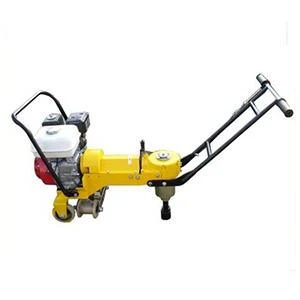
Before discussing the exposure to chemicals, it's essential to understand what Wrench Rails are and their typical applications. Wrench Rails are crucial components in railway maintenance and construction. They are used in conjunction with rail bolt wrenches to tighten or loosen the bolts that secure the rails to the sleepers. Our company offers a variety of rail bolt wrenches, including the Diesel Rail Bolt Wrench For Sale, Portable Rail Bolt Wrench, and Light Weight Battery Rail Bolt Wrench. These wrenches, along with the Wrench Rails, play a vital role in ensuring the safety and stability of railway tracks.
The Composition of Wrench Rails
Wrench Rails are typically made of high - strength steel alloys. These alloys are chosen for their excellent mechanical properties, such as high tensile strength, hardness, and toughness. The steel is carefully processed and heat - treated to achieve the desired performance characteristics. However, different chemical substances can have varying effects on the steel used in Wrench Rails.
Effects of Chemical Exposure
Corrosive Chemicals
Corrosive chemicals, such as acids and alkalis, can have a detrimental effect on Wrench Rails. Acids, for example, can react with the iron in the steel to form metal salts and hydrogen gas. This reaction, known as corrosion, can weaken the structure of the Wrench Rails over time. If the corrosion is severe, it can lead to pitting, cracking, and a significant reduction in the strength of the rails. Similarly, alkalis can also cause corrosion, especially in the presence of moisture. The corrosion process not only affects the appearance of the Wrench Rails but also compromises their functionality and safety.
Lubricating and Cleaning Chemicals
On the other hand, some chemicals can be beneficial for Wrench Rails. Lubricating chemicals, such as specialized rail lubricants, can reduce friction between the wrenches and the rails. This helps in smoother operation, reduces wear and tear, and extends the service life of both the wrenches and the rails. Cleaning chemicals, when used properly, can remove dirt, debris, and rust from the surface of the Wrench Rails. However, it's important to choose cleaning chemicals that are compatible with the steel material of the rails. Harsh or abrasive cleaning agents can scratch the surface of the rails, making them more susceptible to corrosion.
Environmental Chemicals
Wrench Rails are often exposed to environmental chemicals, such as those present in the air, soil, and water. For example, in industrial areas, the air may contain pollutants like sulfur dioxide, which can react with moisture in the air to form sulfuric acid. This acid can then corrode the Wrench Rails. In coastal areas, the salt in the air and water can also accelerate the corrosion process. Therefore, when using Wrench Rails in different environments, it's necessary to consider the potential chemical exposure and take appropriate protective measures.
Protective Measures
To prevent or minimize the damage caused by chemical exposure, several protective measures can be taken.
Coating
Applying a protective coating to the Wrench Rails is an effective way to prevent corrosion. There are various types of coatings available, such as paint coatings, galvanized coatings, and epoxy coatings. Paint coatings can provide a physical barrier between the steel and the chemicals in the environment. Galvanized coatings, which involve applying a layer of zinc to the steel surface, can offer sacrificial protection. The zinc corrodes preferentially, protecting the underlying steel. Epoxy coatings are known for their excellent chemical resistance and adhesion properties.
Regular Inspection and Maintenance
Regular inspection of the Wrench Rails is crucial to detect any signs of chemical damage early. Inspectors should look for signs of corrosion, such as rust spots, pitting, or changes in the surface texture. If any damage is detected, appropriate maintenance measures should be taken immediately. This may include cleaning the rails, removing the corroded parts, and reapplying the protective coating.
Storage Conditions
Proper storage of Wrench Rails can also reduce the risk of chemical exposure. Rails should be stored in a dry, well - ventilated area away from sources of corrosive chemicals. If possible, they should be stored off the ground to prevent contact with moisture and soil.

Case Studies
In some railway maintenance projects, improper handling of chemical exposure has led to significant problems. For example, in a project where the Wrench Rails were accidentally exposed to a spill of a strong acid during a chemical transportation incident, the rails suffered severe corrosion within a short period. The corrosion not only damaged the rails but also affected the performance of the rail bolt wrenches. As a result, the maintenance work had to be halted, and the damaged rails had to be replaced, which incurred additional costs and delays.
On the other hand, in a project where proper protective measures were implemented, the Wrench Rails remained in good condition even in a harsh chemical environment. The rails were coated with a high - quality epoxy coating, and regular inspections and maintenance were carried out. This ensured the long - term functionality and safety of the railway maintenance equipment.
Conclusion
In conclusion, Wrench Rails should generally be protected from exposure to corrosive chemicals. While some chemicals, such as lubricants and appropriate cleaning agents, can be beneficial, corrosive substances like acids and alkalis can cause serious damage to the rails. By understanding the composition of the Wrench Rails, the effects of different chemicals, and implementing appropriate protective measures, we can ensure the longevity and reliable performance of our products.
If you are in the market for high - quality Wrench Rails or rail bolt wrenches, we invite you to contact us for procurement and further discussions. Our team of experts is ready to provide you with detailed information and customized solutions to meet your specific needs.
References
- "Corrosion of Metals" by Uhlig, H. H.
- "Steel Alloys: Properties and Applications" by Davis, J. R.
- "Railway Maintenance and Safety" by a team of railway engineering experts.