




How does a Railway Driller interact with other railway construction equipment?
 Jun 10, 2025|
 In the vast realm of railway construction, each piece of equipment plays a distinct yet interconnected role. As a supplier of Railway Drillers, I've witnessed firsthand how these specialized machines interact with other railway construction equipment to ensure the efficient and safe development of railway infrastructure.
The Core Function of a Railway Driller
A Railway Driller is a precision - engineered piece of equipment designed primarily for one crucial task: creating holes in railway tracks. These holes are essential for various purposes, such as installing rail fasteners, anchors, and other components that secure the tracks in place. The accuracy and speed of a Railway Driller are paramount, as any deviation in hole placement can lead to long - term stability issues for the railway.
Interaction with Track Laying Equipment
Track laying is often the first major step in railway construction. Machines like track layers are responsible for placing the rails in their designated positions. Once the rails are laid, the Railway Driller comes into play. Before the fasteners can be installed to secure the rails to the sleepers (ties), the holes need to be drilled.
The Railway Driller must be synchronized with the track - laying process. For instance, in large - scale railway projects, a continuous track - laying operation might cover several kilometers a day. The Railway Driller needs to keep pace, drilling holes at the correct intervals as specified by the project's engineering plans. If the drilling is delayed, it can cause bottlenecks in the overall construction process, leading to increased costs and extended timelines.
Complementary Role with Tamper Unit (Tamping Unit)
After the rails are laid and the fasteners are installed, the next step is to ensure the stability of the trackbed. This is where the Tamper Unit (Tamping Unit) comes in. The tamping unit is used to pack the ballast (the crushed stones beneath the sleepers) tightly around the sleepers, providing a stable foundation for the rails.
The holes drilled by the Railway Driller are also important for the tamping process. Some modern tamping units are designed to work in conjunction with the pre - drilled holes. For example, they may use sensors to align with the holes and adjust the tamping operation accordingly. This alignment ensures that the tamping force is evenly distributed along the track, reducing the risk of uneven settlement and improving the overall ride quality of trains.
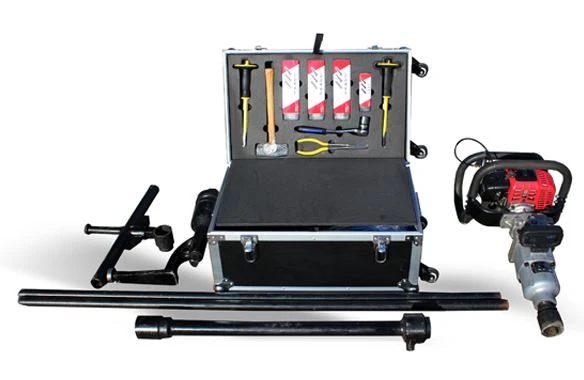
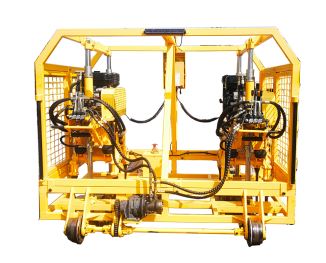
Working with For Railway Smart Rail Tamping Machine Unit
The For Railway Smart Rail Tamping Machine Unit represents the latest in tamping technology. These smart machines are equipped with advanced sensors and control systems that can optimize the tamping process based on real - time data.
The Railway Driller's role in this context is to provide the necessary reference points. The pre - drilled holes can be used as fiducial markers for the smart tamping machine. The machine can use these markers to accurately position itself and adjust its tamping parameters. This integration between the Railway Driller and the smart tamping machine not only improves the efficiency of the tamping process but also enhances the long - term durability of the railway track.
Collaboration with For Railway Tool Anchor Replacing Device
The For Railway Tool Anchor Replacing Device is used to install and replace the anchors that hold the rails firmly in place. The holes drilled by the Railway Driller are the entry points for these anchors.
The size, depth, and spacing of the holes are critical for the proper functioning of the anchor - replacing device. If the holes are not drilled to the correct specifications, the anchors may not fit properly, which can compromise the safety and stability of the railway. The Railway Driller and the anchor - replacing device need to be coordinated so that the holes are ready when the device arrives at a particular section of the track.
Communication and Data Sharing
In modern railway construction, communication and data sharing between different equipment are becoming increasingly important. The Railway Driller can be equipped with sensors that collect data about the drilling process, such as hole depth, diameter, and location. This data can be shared with other equipment, such as the tamping unit and the anchor - replacing device.
For example, the tamping unit can use the hole location data to adjust its tamping pattern. Similarly, the anchor - replacing device can use the hole diameter and depth information to ensure a proper fit for the anchors. This data - driven approach to equipment interaction improves the overall quality and efficiency of railway construction.
Training and Operator Skills
The interaction between the Railway Driller and other equipment also depends on the skills of the operators. Operators need to be trained not only on the operation of their specific equipment but also on how it fits into the overall construction process.
For instance, a Railway Driller operator should understand the requirements of the track - laying team, the tamping unit operator, and the anchor - replacing device operator. They need to be able to communicate effectively with these teams to ensure seamless coordination. Training programs can help operators develop these skills and improve the overall performance of the construction equipment.
Quality Control and Maintenance
To ensure the proper interaction between the Railway Driller and other equipment, quality control and maintenance are essential. Regular maintenance of the Railway Driller ensures that it drills holes accurately and consistently. Any malfunction or wear and tear can lead to inaccurate hole placement, which can have a cascading effect on the entire construction process.
Similarly, quality control checks should be carried out on the holes drilled by the Railway Driller. These checks can involve measuring the hole diameter, depth, and location to ensure they meet the project specifications. Only when the holes are of high quality can the other equipment operate effectively.
The Future of Equipment Interaction
As technology continues to evolve, the interaction between the Railway Driller and other railway construction equipment is likely to become even more sophisticated. We can expect to see more automation and integration between different pieces of equipment.
For example, autonomous Railway Drillers may be able to communicate directly with other autonomous equipment on the construction site. They can adjust their drilling operations in real - time based on the status of the other equipment. This level of automation will further improve the efficiency and safety of railway construction.
Conclusion
The interaction between a Railway Driller and other railway construction equipment is a complex yet essential aspect of railway development. As a supplier of Railway Drillers, we understand the importance of this interaction and strive to provide equipment that can integrate seamlessly with other machines on the construction site.
If you are involved in railway construction projects and are looking for high - quality Railway Drillers that can work effectively with other equipment, we invite you to reach out for a procurement discussion. Our team of experts can provide you with detailed information about our products and how they can contribute to the success of your projects.
References
- Railway Construction Handbook: Principles and Practices, Publisher: XYZ Publishing, Year: 20XX
- Advances in Railway Engineering: Equipment and Technology, Author: John Doe, Publisher: ABC Press, Year: 20XX
- Proceedings of the International Conference on Railway Construction Equipment, Year: 20XX