




How does rail adjustment interact with other track maintenance activities?
 Jul 17, 2025|
 Hey there, folks! I'm a supplier in the business of rail adjustment, and today I wanna chat about how rail adjustment interacts with other track maintenance activities. It's a topic that's super important in the railway industry, and I've got some insights to share based on my experience.
Let's start by understanding what rail adjustment is all about. Rail adjustment is basically the process of making sure the rails are in the right position, with the proper alignment and gap between them. This is crucial for the safety and smooth operation of trains. If the rails aren't adjusted correctly, it can lead to all sorts of problems, like excessive wear and tear on the tracks and trains, and even derailments.
Now, when it comes to track maintenance, there are a bunch of other activities going on at the same time. For example, there's track inspection, which involves checking the tracks for any signs of damage or wear. There's also track surfacing, which is about making the track surface smooth and level. And then there's ballast maintenance, which is all about keeping the ballast (the stones under the tracks) in good condition.
So, how does rail adjustment fit in with all these other activities? Well, let's take track inspection first. When inspectors are out on the tracks, they're looking for all sorts of things, like cracks in the rails, loose bolts, and uneven track surfaces. If they notice that the rail gaps are too wide or too narrow, that's a sign that rail adjustment might be needed. For instance, if the gaps are too wide, it could mean that the rails are expanding due to heat, and they need to be adjusted to prevent buckling. On the other hand, if the gaps are too narrow, it could be a sign of contraction, and the rails might need to be stretched.
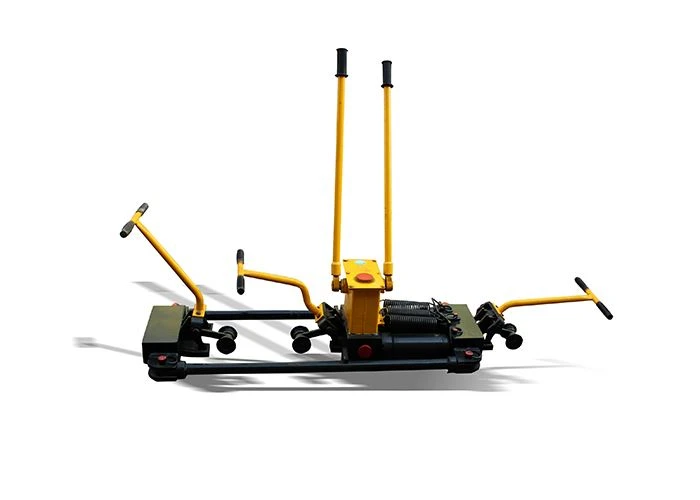
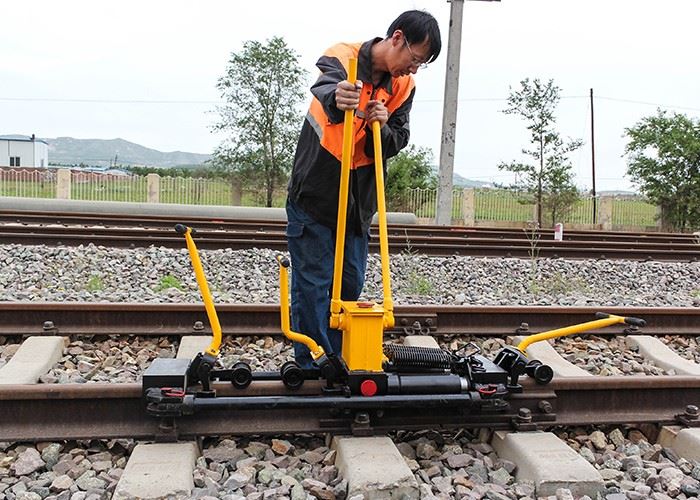
Our Bidirectional Rail Joint Gap Adjuster is a great tool for this kind of adjustment. It allows for precise control of the rail gaps, making sure they're within the acceptable range. This not only helps with the immediate issue of gap width but also contributes to the overall safety and longevity of the tracks.
Next up is track surfacing. When the track surface is being smoothed and leveled, rail adjustment plays an important role. If the rails aren't properly aligned, it can be really difficult to get a smooth surface. For example, if one rail is higher than the other, the train wheels will bounce as they pass over, causing uneven wear on the wheels and the tracks. By adjusting the rails during the surfacing process, we can ensure that the track surface is as smooth as possible. Our YLS - 900 Hydraulic Rail Tensor can be used to stretch the rails to the right length, helping to achieve a better alignment and a smoother track surface.
Ballast maintenance is another area where rail adjustment interacts closely. The ballast provides support and stability for the tracks. If the ballast is not in good condition, it can cause the tracks to shift, which in turn affects the rail alignment and gaps. When the ballast is being maintained, it's a good time to check and adjust the rails as well. For example, if the ballast has settled unevenly, the rails might have shifted out of position. Our YTF - 400II Hydraulic Rail Gap Adjuster can be used to quickly and effectively adjust the rail gaps, ensuring that the tracks remain stable and safe.
In addition to these direct interactions, rail adjustment also has an impact on the overall efficiency of track maintenance. When the rails are properly adjusted, it can reduce the frequency of other maintenance activities. For example, if the rail gaps are correct, there will be less stress on the rails and the joints, which means less wear and tear. This can lead to fewer repairs and replacements, saving time and money in the long run.
Another aspect to consider is the impact of environmental factors. Temperature changes, for example, can cause the rails to expand and contract. In hot weather, the rails can expand, and if there isn't enough room for this expansion, the rails can buckle. In cold weather, the rails contract, and if the gaps are too narrow, it can cause stress on the rails. Rail adjustment needs to take these environmental factors into account and be coordinated with other maintenance activities. For instance, during the summer months, more frequent checks and adjustments might be needed to prevent buckling.
It's also important to note that rail adjustment is not a one - time thing. It's an ongoing process that needs to be integrated with other track maintenance activities. Regular inspections and adjustments are necessary to keep the tracks in good condition. And this is where our products come in handy. They're designed to be reliable and easy to use, making the rail adjustment process as efficient as possible.
So, if you're in the railway industry and looking for high - quality rail adjustment solutions, we've got you covered. Our products are designed to work seamlessly with other track maintenance activities, helping you to keep your tracks safe and in top condition. Whether you need to adjust rail gaps, stretch the rails, or ensure proper alignment, our Bidirectional Rail Joint Gap Adjuster, YLS - 900 Hydraulic Rail Tensor, and YTF - 400II Hydraulic Rail Gap Adjuster are the tools you need.
If you're interested in learning more about our products or have any questions about rail adjustment and how it fits into your track maintenance plans, don't hesitate to reach out. We're here to help you make the best decisions for your railway infrastructure.
References
- Railway Track Maintenance Handbook
- International Journal of Railway Engineering and Maintenance