




How to determine the appropriate cutting speed for a rail drill?
 Jul 11, 2025|
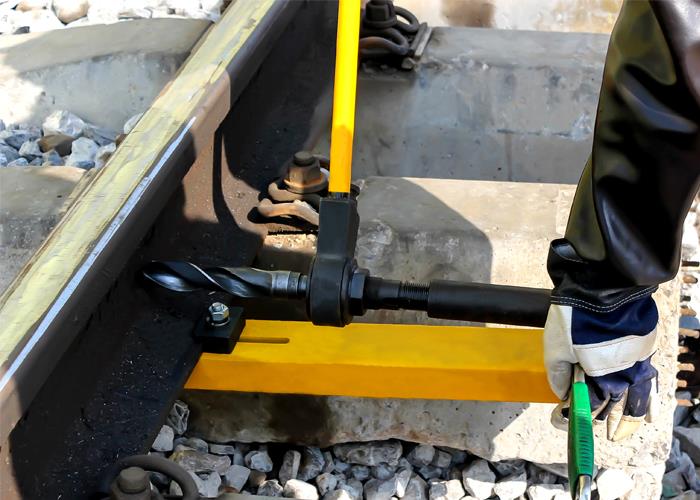
 Hey there! As a supplier of rail drills, I often get asked about how to determine the appropriate cutting speed for a rail drill. It's a crucial question because getting the cutting speed right can make a huge difference in the efficiency and quality of your rail drilling operations. So, let's dive into it!
Understanding the Basics of Cutting Speed
First off, what exactly is cutting speed? Well, it's the speed at which the cutting edge of the drill bit moves across the surface of the rail. It's usually measured in surface feet per minute (SFM) or meters per minute (m/min). The right cutting speed depends on a bunch of factors, and if you don't get it right, you could end up with a dull drill bit, poor hole quality, or even damage to the rail.
Factors Affecting Cutting Speed
1. Drill Bit Material
The material of the drill bit plays a major role in determining the cutting speed. For example, high - speed steel (HSS) drill bits are pretty common. They're affordable and work well for a variety of applications. But they have a lower heat resistance compared to carbide drill bits. Carbide drill bits can handle higher cutting speeds because they're harder and more heat - resistant. So, if you're using a HSS drill bit, you'll likely need to go with a lower cutting speed than if you were using a carbide one.
2. Rail Material
Different types of rails are made from different materials, and each material has its own properties. Rails can be made from carbon steel, alloy steel, or other specialized materials. Harder rail materials require lower cutting speeds to prevent excessive wear on the drill bit. So, if you're drilling into a high - strength alloy rail, you'll need to be more conservative with your cutting speed compared to a regular carbon steel rail.
3. Drill Bit Diameter
The diameter of the drill bit also affects the cutting speed. Generally, larger diameter drill bits need to operate at lower cutting speeds. This is because a larger bit has more surface area in contact with the rail, which means more friction and heat generation. If you try to run a large - diameter drill bit at too high a speed, it can overheat and wear out quickly.
4. Hole Depth
The depth of the hole you're drilling matters too. Deeper holes require more time for the chips to clear out of the hole. If the cutting speed is too high, the chips can get jammed in the hole, which can lead to poor hole quality and even breakage of the drill bit. So, for deeper holes, it's often a good idea to reduce the cutting speed a bit.
Calculating the Cutting Speed
Now that we know the factors that affect cutting speed, how do we actually calculate it? There are a few ways to do this.
One common method is to use a cutting speed chart. These charts are available from drill bit manufacturers and they provide recommended cutting speeds based on the drill bit material, rail material, and drill bit diameter. For example, if you have a HSS drill bit with a diameter of 1 inch and you're drilling into a carbon steel rail, the chart might recommend a cutting speed of around 60 - 80 SFM.
You can also use a formula to calculate the cutting speed. The formula for calculating the cutting speed (SFM) is:
[SFM=\frac{\pi\times D\times RPM}{12}]
where (D) is the drill bit diameter in inches and (RPM) is the revolutions per minute of the drill. If you want to calculate the RPM instead, you can rearrange the formula:
[RPM=\frac{SFM\times12}{\pi\times D}]
Let's say you have a recommended cutting speed of 70 SFM and a drill bit diameter of 0.5 inches. Using the formula to calculate the RPM:
[RPM=\frac{70\times12}{\pi\times0.5}\approx535]
So, you'd want to set your drill to run at around 535 RPM.
Testing and Adjusting
Even if you've calculated the cutting speed based on the charts or formulas, it's always a good idea to do some testing. Start with the recommended cutting speed and drill a few test holes. Check the quality of the holes, the condition of the drill bit, and the amount of chips being produced.
If the drill bit is overheating, the chips are too long and stringy, or the hole quality is poor, you might need to reduce the cutting speed. On the other hand, if the drill bit is barely wearing and the chips are coming out easily, you could potentially increase the cutting speed a bit to improve efficiency.
Our Rail Drill Products
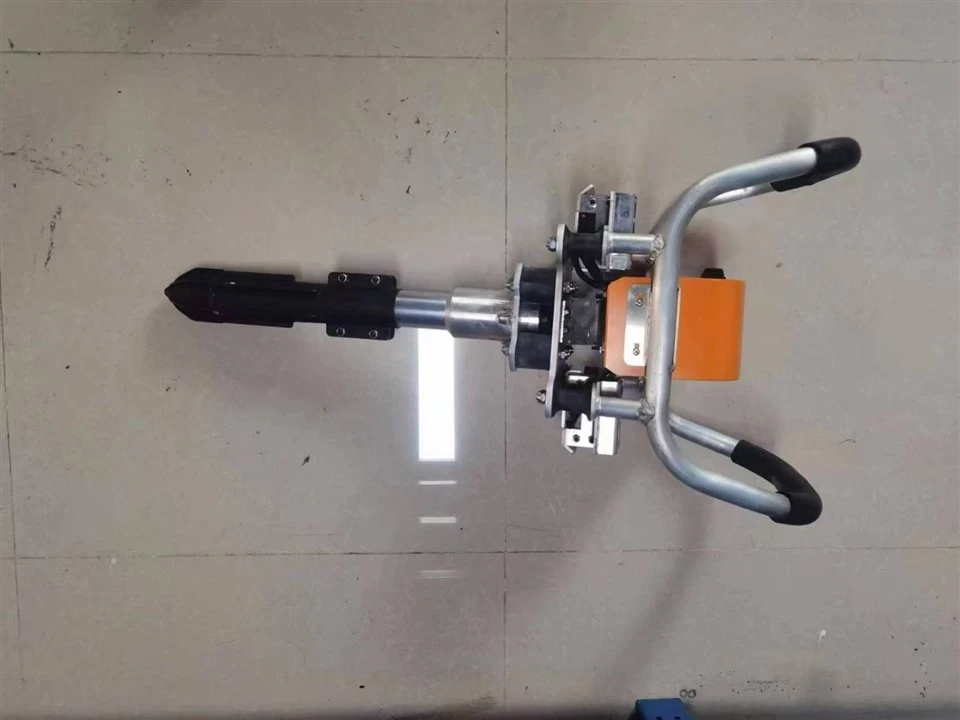
At our company, we offer a wide range of rail drills to meet your needs. One of our popular products is the SBZ - 31 Easy Operational Manual Rail Drilling Machine. This machine is easy to operate and can handle a variety of rail drilling tasks. It's designed to provide reliable performance and high - quality drilling results.
We also have the Battery Hand Tie Tamper Rail Ballast Bed Tamping Machine. This machine is great for tamping the ballast bed around the rails, which helps to keep the rails in place and improve the overall stability of the railway track.
And if you're looking for a more advanced solution, our For Railway Smart Rail Tamping Machine Unit is a great option. It uses smart technology to provide precise tamping and improve the efficiency of your railway maintenance operations.
Conclusion
Determining the appropriate cutting speed for a rail drill is a combination of understanding the factors that affect it, doing some calculations, and doing some testing. By taking the time to get the cutting speed right, you can improve the efficiency of your rail drilling operations, extend the life of your drill bits, and ensure high - quality holes.
If you're in the market for a rail drill or have any questions about cutting speeds or our products, don't hesitate to reach out. We're here to help you find the best solution for your railway drilling needs.
References
- Drill Bit Manufacturer Catalogs
- Machinery's Handbook