




How to integrate a Track Cutter into an existing production system?
 Aug 18, 2025|
 Integrating a track cutter into an existing production system can be a complex yet rewarding process. As a track cutter supplier, I have witnessed firsthand the transformative impact that a well - integrated track cutter can have on a production line. In this blog, I will share some key insights and steps on how to seamlessly incorporate a track cutter into your existing setup.
Understanding Your Existing Production System
Before introducing a track cutter, it is crucial to have a comprehensive understanding of your current production system. This includes identifying the workflow, production capacity, and any existing machinery that the track cutter will interact with. Analyze the material flow, the sequence of operations, and the overall layout of the production area. By understanding these aspects, you can determine the most suitable location for the track cutter and ensure that it will fit smoothly into the existing workflow.
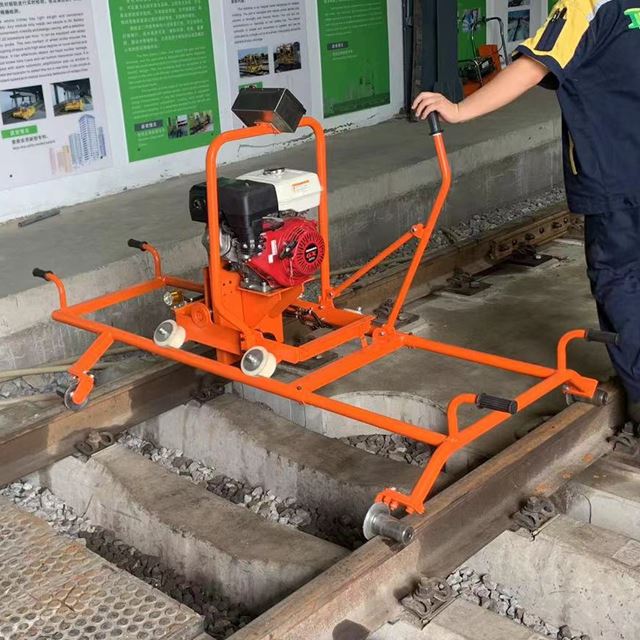

For example, if your production system involves a continuous flow of raw materials through multiple processing stations, you need to identify a point in the line where the track cutter can be inserted without causing bottlenecks. Consider the space requirements of the track cutter, including its dimensions, clearance for operation, and access for maintenance.
Assessing the Compatibility of the Track Cutter
Once you have a clear understanding of your existing production system, the next step is to assess the compatibility of the track cutter. Different track cutters have different capabilities, such as cutting speed, cutting depth, and the types of materials they can handle. You need to ensure that the track cutter you choose is compatible with the materials used in your production process.
For instance, if your production involves cutting high - strength steel tracks, you need a track cutter with sufficient power and a suitable cutting blade. Additionally, consider the control system of the track cutter. Modern track cutters often come with advanced digital control systems that can be integrated with your existing automation infrastructure. This allows for seamless operation and coordination with other machines in the production line.
Planning the Integration Process
After assessing the compatibility, it is time to plan the integration process. Create a detailed project plan that outlines the steps involved in integrating the track cutter. This plan should include a timeline, a list of tasks, and the resources required.
The first step in the integration process is to prepare the installation site. This may involve modifying the existing floor or mounting structure to accommodate the track cutter. Ensure that the site is level, stable, and has proper electrical and plumbing connections if required.
Next, schedule the delivery and installation of the track cutter. Coordinate with the installation team to ensure that the installation is carried out safely and efficiently. During the installation, make sure that all the components of the track cutter are properly connected and aligned.
Training the Operators
Once the track cutter is installed, it is essential to train the operators. Provide comprehensive training on the operation, maintenance, and safety procedures of the track cutter. The training should cover topics such as how to load and unload materials, how to set the cutting parameters, and how to perform routine maintenance tasks.
Well - trained operators are crucial for the efficient and safe operation of the track cutter. They can also identify and troubleshoot minor issues before they escalate into major problems. Consider providing on - the - job training and refresher courses to keep the operators updated on the latest operating techniques.
Testing and Commissioning
After the installation and operator training, it is time to test and commission the track cutter. Conduct a series of tests to ensure that the track cutter is functioning properly and is integrated with the existing production system. Start with simple test cuts to verify the cutting accuracy and quality.
During the testing phase, monitor the performance of the track cutter and its interaction with other machines in the production line. Check for any signs of vibration, noise, or abnormal behavior. Make any necessary adjustments to the cutting parameters or the installation to optimize the performance.
Once the testing is successful, commission the track cutter for full - scale production. Continuously monitor the performance of the track cutter during the initial production runs to ensure that it meets the production requirements.
Maintenance and Support
To ensure the long - term reliability and performance of the track cutter, establish a regular maintenance schedule. This includes tasks such as blade replacement, lubrication, and inspection of the electrical and mechanical components. Follow the manufacturer's recommendations for maintenance to prevent breakdowns and extend the lifespan of the track cutter.
As a track cutter supplier, we offer comprehensive maintenance and support services. Our team of experts can provide on - site maintenance, technical support, and spare parts supply. We also offer remote monitoring services to detect any potential issues before they cause production disruptions.
Related Products
In addition to track cutters, we also offer a range of related products that can enhance the efficiency of your production system. For example, the NCM - 5.1II Digital Display Railway Switch Fine Grinding Machine is a high - precision grinding machine that can be used in conjunction with the track cutter for finishing operations. The SNGM - 180 Portable Rail Grinding Machine is a portable and versatile grinding machine that can be used for on - site repairs and maintenance. The Internal Combustion Abrasive Rail is another useful product that can be used for cutting and grinding applications.
Conclusion
Integrating a track cutter into an existing production system requires careful planning, assessment, and execution. By following the steps outlined in this blog, you can ensure a smooth and successful integration. If you are interested in learning more about our track cutters or other related products, or if you have any questions about the integration process, please feel free to contact us for a detailed discussion and procurement negotiation. We are committed to providing you with the best solutions for your production needs.
References
- "Industrial Machinery Integration Handbook", John Wiley & Sons
- "Railway Track Maintenance and Construction Guide", American Railway Engineering and Maintenance - of - Way Association