




What are the challenges in designing railway vehicles?
 Sep 12, 2025|
 As a supplier of railway vehicles, I've seen firsthand the challenges that come with designing these complex machines. It's not just about making something that looks cool or can carry a lot of passengers or cargo. There are a whole bunch of factors to consider, from safety and comfort to cost - effectiveness and environmental impact. In this blog, I'll dig into some of the major challenges we face in the design process.
Safety First: Meeting Stringent Standards
Safety is the number - one priority when it comes to railway vehicle design. Governments and international organizations have set up a ton of regulations and standards that we have to follow. These rules cover everything from the strength of the vehicle's structure to the effectiveness of its braking system.
For example, the vehicle's body needs to be able to withstand high - speed collisions and derailments without collapsing. We use advanced materials like high - strength steel and carbon fiber composites to build the frames. But choosing the right materials is tricky. Carbon fiber is lightweight and strong, but it's also super expensive. High - strength steel is more affordable, but it adds more weight to the vehicle, which can affect its energy efficiency.
The braking system is another critical safety component. It has to be able to stop the vehicle quickly and smoothly, even in adverse conditions like wet or icy tracks. Designing a reliable braking system that can handle different loads and speeds is a real challenge. We need to conduct countless tests to make sure the brakes work as expected.
Comfort for Passengers and Crew
Passenger comfort is a huge deal in railway vehicle design. After all, if people don't enjoy the ride, they're not going to choose trains as their mode of transportation. We have to think about things like seating, noise levels, and temperature control.
Seating needs to be ergonomic, providing proper support for long - distance travel. We also have to consider the layout of the seats to maximize the use of space. For example, in high - speed trains, we often use a 2 + 2 or 2+1 seating arrangement to give passengers more legroom and privacy.
Noise and vibration can really ruin the passenger experience. Railway vehicles generate a lot of noise from the wheels on the tracks, the engine, and other mechanical components. To reduce noise, we use sound - insulating materials in the walls and floors of the vehicle. But these materials add weight and cost, so we have to find a balance between noise reduction and other design requirements.
Temperature control is also essential. Trains operate in a wide range of climates, from hot deserts to cold mountains. We need to design an efficient heating, ventilation, and air - conditioning (HVAC) system that can maintain a comfortable temperature inside the vehicle. This system has to be energy - efficient, too, to keep operating costs down.
Cost - Effectiveness and Sustainability
Cost is always a major consideration in any design project. We need to make railway vehicles that are affordable to build and operate. This means finding ways to reduce the cost of materials, manufacturing, and maintenance.
One way to cut costs is by using modular design. Instead of building each vehicle from scratch, we can use pre - fabricated modules that can be easily assembled. This reduces manufacturing time and labor costs. We also look for ways to standardize components across different vehicle models to save on procurement costs.
Sustainability is becoming increasingly important in railway vehicle design. With the growing concern about climate change, we need to make vehicles that are more energy - efficient and produce fewer emissions. Electric trains are a great option, but they require a significant investment in infrastructure, such as charging stations and power lines.
We also need to consider the end - of - life disposal of the vehicles. Designing vehicles with recyclable materials can help reduce the environmental impact. For example, many of the metals used in railway vehicles can be recycled, but we need to make sure they are easy to separate and process at the end of the vehicle's life.
Compatibility with Existing Infrastructure
Railway vehicles need to be compatible with the existing railway infrastructure. This includes the track gauge, platform height, and signaling systems.
The track gauge varies from country to country and region to region. We need to design vehicles that can operate on different track gauges if we want to sell them in multiple markets. This can be a challenge, as changing the track gauge can require significant modifications to the vehicle's bogies (the wheeled undercarriages).
The platform height also needs to be considered. Passengers need to be able to board and alight the vehicle easily. If the platform height doesn't match the vehicle's door height, we may need to install ramps or other boarding aids, which add to the cost and complexity of the design.
Signaling systems are crucial for safe and efficient train operation. Our vehicles need to be able to communicate with the signaling infrastructure to receive information about track conditions, speed limits, and other important data. Designing a vehicle that can integrate with different signaling systems is a complex task.
Technological Advancements and Innovation
The railway industry is constantly evolving, with new technologies emerging all the time. We need to keep up with these advancements and incorporate them into our vehicle designs.
For example, the use of artificial intelligence (AI) and the Internet of Things (IoT) is becoming more common in railway vehicles. AI can be used to optimize the vehicle's performance, such as adjusting the speed and power consumption based on real - time data. IoT sensors can monitor the condition of various components, allowing for predictive maintenance and reducing the risk of breakdowns.
Autonomous trains are another area of innovation. Designing a self - driving railway vehicle requires advanced sensors, control systems, and communication technologies. It also raises a lot of questions about safety and regulation.
Our Solutions and Products
At our company, we've been working hard to overcome these challenges. We offer a range of innovative railway vehicles and equipment. For instance, our ZYSZ - 5 Professional Design Automatic Hydraulic Rail Ballast Cleaning Machine is designed to efficiently clean the ballast on railway tracks, improving the track's stability and safety.
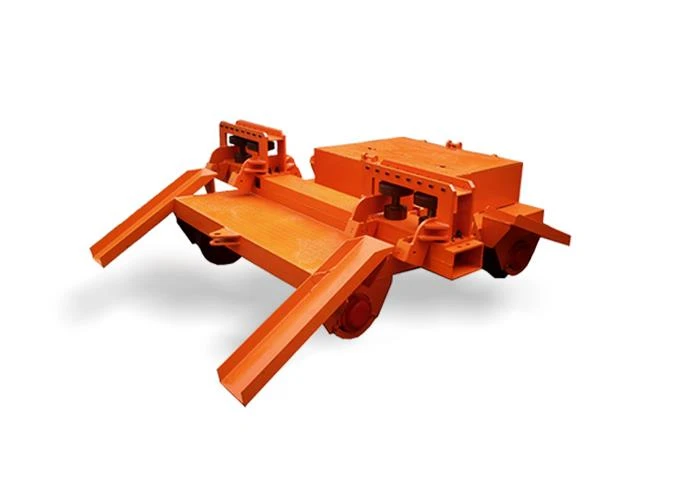
Our Track Replacement Vehicle is a powerful tool for track maintenance and replacement. It can quickly and safely replace old tracks with new ones, reducing downtime and improving the overall efficiency of the railway network.
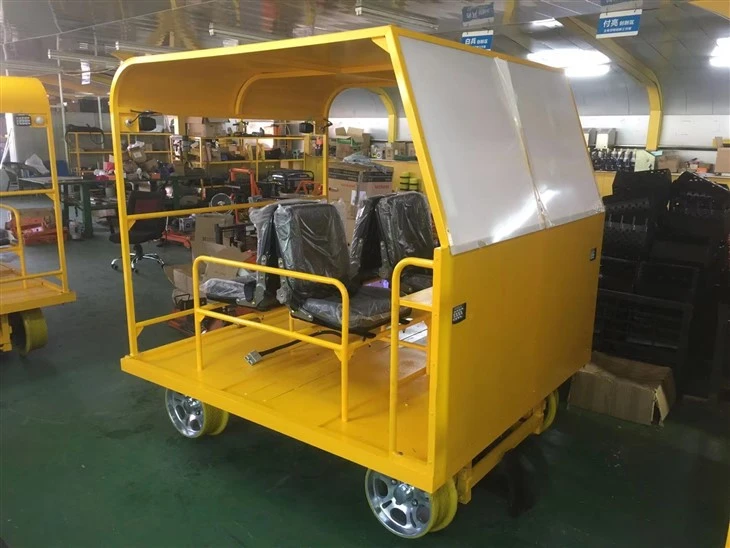
We also have a Customized Battery Rail Track Trolley, which is a flexible and cost - effective solution for short - distance transportation on railway tracks. It's powered by a battery, making it more environmentally friendly.
Get in Touch
If you're in the market for railway vehicles or equipment, we'd love to have a chat with you. Whether you're looking for a specific product or need a customized solution, our team of experts is here to help. Contact us to start a procurement discussion and find out how we can meet your railway vehicle needs.
References
- Railway Safety Regulations Handbook, International Railway Union
- Comfort Design Guidelines for Passenger Trains, European Railways Association
- Cost - Effective Railway Vehicle Design, Journal of Railway Engineering