




What are the economic benefits of using a track tamper in railway maintenance?
 Dec 17, 2025|
 In the realm of railway maintenance, the track tamper stands as an indispensable piece of equipment. As a dedicated track tamper supplier, I've witnessed firsthand the transformative impact these machines have on railway infrastructure and the associated economic benefits. This blog post delves into the various ways using a track tamper in railway maintenance can lead to significant economic advantages.
1. Enhanced Track Stability and Reduced Maintenance Costs
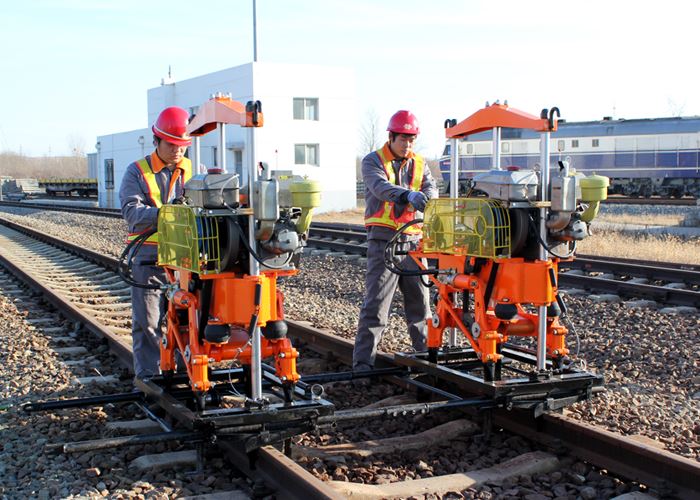
One of the primary economic benefits of using a track tamper is the improvement of track stability. Over time, railway tracks are subjected to the constant pressure of passing trains, which can cause the ballast stones to shift and the tracks to become misaligned. A track tamper works by compacting the ballast beneath the sleepers, ensuring that the tracks remain in the correct position.
When the tracks are stable, there is less wear and tear on the railway components. This means that the frequency of component replacements, such as rails, sleepers, and fasteners, is reduced. For example, a well - tamped track can extend the lifespan of rails by minimizing the uneven forces that lead to premature wear. According to industry studies, proper track tamping can reduce the need for rail replacements by up to 30% over a given period. This directly translates into cost savings for railway operators, as the purchase and installation of new rails are expensive endeavors.
Moreover, stable tracks also reduce the risk of derailments. Derailments can cause extensive damage to trains, cargo, and the railway infrastructure itself, as well as result in significant downtime for the railway line. By preventing derailments through regular track tamping, railway operators can avoid the high costs associated with accident cleanup, infrastructure repair, and compensation claims.
2. Increased Train Speed and Capacity
A well - maintained track, thanks to the use of track tampers, allows trains to operate at higher speeds. When the tracks are smooth and stable, locomotives can achieve and maintain optimal speeds without the need for excessive braking and acceleration. This not only improves the efficiency of train operations but also increases the overall capacity of the railway line.
Higher train speeds mean that more trains can be scheduled on a given line within a specific time frame. For instance, if a railway line can support faster trains, the number of daily train trips can be increased, leading to a higher volume of cargo and passenger transportation. This increased capacity can generate additional revenue for railway operators through increased freight charges and passenger fares.
In addition, faster train speeds can also make rail transportation more competitive compared to other modes of transport, such as road or air. This can attract more customers to choose rail as their preferred mode of transportation, further boosting the revenue of railway companies.
3. Energy Efficiency
Track tamping also contributes to energy efficiency in railway operations. When the tracks are properly tamped, the rolling resistance of trains is reduced. Rolling resistance is the force that opposes the motion of a train along the tracks. A significant portion of a train's energy consumption is used to overcome this resistance.
By minimizing the unevenness of the tracks through tamping, the rolling resistance is decreased. As a result, trains require less energy to move along the tracks. This reduction in energy consumption can lead to substantial cost savings for railway operators, especially considering the high cost of fuel or electricity used to power trains. For example, a study has shown that a 10% reduction in rolling resistance can result in a 5 - 7% reduction in energy consumption for a typical freight train.
4. Long - Term Infrastructure Preservation
Investing in track tamping is an investment in the long - term preservation of railway infrastructure. The railway network is a massive and expensive asset, and proper maintenance is crucial to ensure its longevity. A track tamper helps to distribute the load of passing trains evenly across the ballast and sleepers, preventing excessive stress on any single component.
This even load distribution reduces the likelihood of structural damage to the railway subgrade. The subgrade is the foundation of the railway track, and any damage to it can be extremely costly to repair. By using track tampers to maintain the integrity of the track structure, railway operators can avoid the need for large - scale subgrade reconstruction projects, which can cost millions of dollars.
Our Track Tamper Products
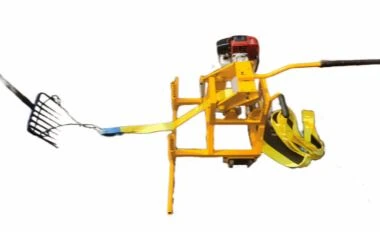
As a track tamper supplier, we offer a wide range of high - quality track tamper products to meet the diverse needs of railway maintenance. Our Internal Combustion Slope Protection Shaping Machine is designed for efficient slope protection and shaping, ensuring the stability of the railway embankment. The Diesel Hydraulic Rail Tamping Machine provides powerful and reliable tamping performance, suitable for various types of railway tracks. And our Hydraulic Ballast Tamper Railway is ideal for large - scale ballast compaction, guaranteeing the proper support of the tracks.
Conclusion
The economic benefits of using a track tamper in railway maintenance are numerous and far - reaching. From reducing maintenance costs and preventing derailments to increasing train speed, capacity, and energy efficiency, track tampers play a vital role in the financial viability of railway operations. As a track tamper supplier, we are committed to providing the best - in - class products to help railway operators achieve these economic advantages. If you are interested in our track tamper products or have any questions about railway maintenance, please feel free to contact us for a detailed discussion and procurement negotiation.
References
- Railway Track Maintenance Handbook, published by the Railway Industry Association.
- Studies on Track Tamping and Its Impact on Railway Infrastructure, by the International Union of Railways.
- Energy Efficiency in Rail Transport: The Role of Track Maintenance, a research report from a leading transportation research institute.