




What are the environmental impacts of using a Rail Cutter?
 Jun 12, 2025|
 As a supplier of rail cutters, I am acutely aware of the significance of understanding the environmental impacts associated with the use of these powerful tools. Rail cutters are essential in the railway industry for various tasks such as track maintenance, installation, and repair. However, like any industrial equipment, they can have both direct and indirect effects on the environment. In this blog, I will delve into the environmental implications of using a rail cutter, exploring the potential challenges and opportunities for minimizing their ecological footprint.
Energy Consumption
One of the primary environmental impacts of using a rail cutter is its energy consumption. Rail cutters typically rely on electricity, hydraulic power, or gasoline engines to operate. The energy source used can significantly influence the cutter's carbon footprint. Electric rail cutters are generally more energy - efficient and produce fewer greenhouse gas emissions compared to those powered by gasoline engines. Gasoline - powered rail cutters burn fossil fuels, releasing carbon dioxide (CO₂), nitrogen oxides (NOₓ), and particulate matter into the atmosphere. These pollutants contribute to air pollution, climate change, and can have detrimental effects on human health.
On the other hand, electric rail cutters can be powered by renewable energy sources such as solar, wind, or hydroelectric power. By using renewable energy, the carbon emissions associated with the operation of rail cutters can be substantially reduced. As a supplier, I encourage my customers to consider electric rail cutters and explore the option of powering them with clean energy. This not only helps to protect the environment but also aligns with the growing global trend towards sustainable practices in the industrial sector.
Noise Pollution
Rail cutters can generate a significant amount of noise during operation. The high - pitched screeching and loud mechanical sounds can be disturbing to nearby residents, wildlife, and workers. Prolonged exposure to high - intensity noise can lead to hearing loss, stress, and other health problems for humans. In the natural environment, noise pollution can disrupt the behavior and communication patterns of wildlife, affecting their ability to find food, mates, and avoid predators.
To mitigate the impact of noise pollution, modern rail cutters are designed with noise - reduction features. These may include sound - absorbing materials, mufflers, and improved engineering to minimize vibrations. As a supplier, I offer rail cutters that are engineered to operate quietly, reducing the disturbance to the surrounding environment. Additionally, I provide training to operators on proper usage techniques that can further minimize noise generation. For example, using sharp blades and maintaining the equipment regularly can ensure smooth operation and reduce unnecessary noise.
Waste Generation
The use of rail cutters also generates waste, including metal shavings, discarded blades, and other consumable parts. Metal shavings are a common by - product of the cutting process. If not properly managed, these shavings can accumulate in the work area and may find their way into water bodies or soil, causing contamination. Discarded blades and other parts also contribute to waste. These items often contain metals and other materials that can be recycled, but they may end up in landfills if not disposed of correctly.
As a responsible supplier, I promote recycling and proper waste management practices. I offer recycling programs for used blades and other consumable parts, ensuring that they are reused or recycled instead of being discarded. Additionally, I provide guidelines to customers on how to collect and dispose of metal shavings safely. For example, using dust collectors during the cutting process can help to capture the shavings, making them easier to collect and recycle.
Chemical Pollution
Some rail cutters use lubricants and coolants during operation to reduce friction and prevent overheating. These lubricants and coolants can contain chemicals such as oils, greases, and additives. If these chemicals are not properly managed, they can leak into the environment, contaminating soil and water. Chemical pollution can have long - term effects on ecosystems, harming plants, animals, and aquatic life.
To address this issue, I recommend the use of environmentally friendly lubricants and coolants. These products are formulated to be biodegradable and have a lower impact on the environment. I also provide training to operators on proper handling and storage of lubricants and coolants to prevent spills and leaks. By using eco - friendly alternatives and following best practices for chemical management, the risk of chemical pollution can be significantly reduced.
Product Lifecycle Considerations
When evaluating the environmental impacts of rail cutters, it is important to consider their entire lifecycle, from manufacturing to disposal. The manufacturing process of rail cutters requires the extraction and processing of raw materials, which can have significant environmental consequences. Mining for metals, for example, can lead to deforestation, soil erosion, and water pollution. Additionally, the production process consumes energy and generates waste.
At the end of their useful life, rail cutters need to be disposed of properly. If not recycled or disposed of in an environmentally friendly manner, they can contribute to landfill waste. As a supplier, I am committed to reducing the environmental impact of my products throughout their lifecycle. I work with manufacturers who use sustainable manufacturing practices, such as using recycled materials and minimizing energy consumption during production. I also offer take - back programs for old rail cutters, ensuring that they are recycled or disposed of responsibly.
Opportunities for Environmental Improvement
Despite the potential environmental challenges associated with the use of rail cutters, there are also significant opportunities for improvement. Technological advancements are constantly being made in the design and operation of rail cutters to make them more environmentally friendly. For example, new cutting technologies are being developed that require less energy and generate less waste. Additionally, the use of sensors and automation can optimize the cutting process, reducing the overall energy consumption and improving efficiency.

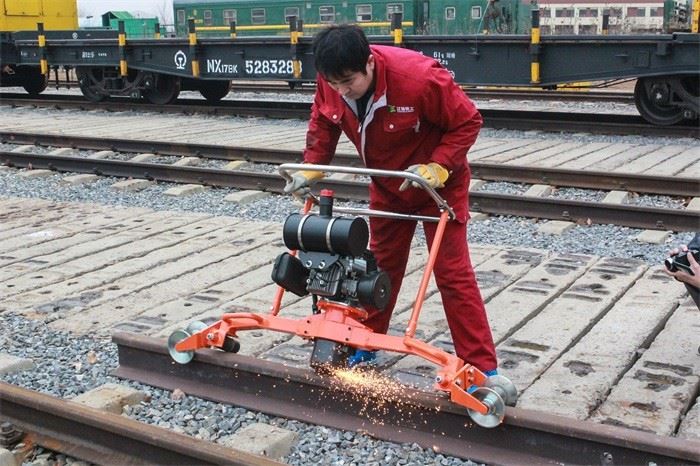
As a supplier, I am actively involved in promoting these technological advancements. I work closely with manufacturers to stay updated on the latest developments in rail cutter technology and offer customers the most environmentally friendly options available. I also provide education and training to customers on how to use rail cutters in a way that minimizes their environmental impact.
Related Products for Sustainable Rail Operations
In addition to rail cutters, our company also offers a range of other products that can contribute to sustainable rail operations. For example, the NGM - 4.4II 4kw heavy duty Rail Profile Grinding Machine Rail Welded Joined Grinder is designed to efficiently grind rail profiles, improving the smoothness and safety of the tracks. This machine is engineered to be energy - efficient and can be powered by renewable energy sources, reducing its carbon footprint.
Another product is the Switch Milling And Grinding Machine, which is used for precision milling and grinding of rail switches. This machine is designed to minimize waste and noise generation, making it an environmentally friendly option for rail maintenance.
We also offer the HWS - II Rail Trimmer shearing blade of Therimit Welding With Pump Station, which is a reliable and efficient tool for trimming rails. This product is designed with sustainability in mind, using high - quality materials that can be recycled at the end of its life.
Conclusion
In conclusion, the use of rail cutters has both positive and negative environmental impacts. While they are essential for the railway industry, it is crucial to address the potential environmental challenges associated with their operation. By considering factors such as energy consumption, noise pollution, waste generation, chemical pollution, and product lifecycle, we can take steps to minimize the ecological footprint of rail cutters.
As a supplier, I am committed to providing customers with environmentally friendly rail cutters and related products. I encourage customers to make sustainable choices when purchasing and using rail cutters, such as opting for electric models, using renewable energy, and following proper waste management practices. By working together, we can ensure that the railway industry continues to operate efficiently while protecting the environment for future generations.
If you are interested in learning more about our rail cutters and other products, or if you have any questions regarding their environmental impact, please feel free to contact us for a procurement discussion. We look forward to helping you make the most sustainable and efficient choices for your rail maintenance needs.
References
- "Environmental Impacts of Industrial Equipment." Journal of Environmental Science and Technology.
- "Sustainable Practices in the Railway Industry." International Railway Journal.
- "Technological Advancements in Rail Cutter Design." Railway Engineering Review.