




What are the lighting systems in Rail Car Series?
 Oct 15, 2025|
 Lighting systems in rail car series play a crucial role in ensuring safety, comfort, and functionality for passengers and crew. As a leading supplier of rail car series, I have witnessed firsthand the importance of well - designed lighting solutions in the rail industry. In this blog, I will explore the different types of lighting systems commonly used in rail car series and their significance.
Interior Lighting Systems
Ambient Lighting
Ambient lighting is the primary source of general illumination in a rail car. It provides a soft, uniform light that fills the entire cabin, creating a comfortable and inviting atmosphere for passengers. LED (Light - Emitting Diode) technology has become the standard for ambient lighting in modern rail cars due to its energy efficiency, long lifespan, and low maintenance requirements.
LED ambient lighting can be adjusted to different color temperatures, allowing for the creation of various moods. For example, a warmer color temperature (around 2700 - 3000K) can be used during evening or night services to create a cozy and relaxing environment, while a cooler color temperature (around 4000 - 5000K) may be more suitable for daytime travel, providing a bright and alert atmosphere.
Task Lighting
Task lighting is designed to provide focused illumination for specific tasks, such as reading or working. In rail cars, task lighting is typically installed above the seats or at the tables in dining cars. Similar to ambient lighting, LED technology is widely used for task lighting because of its energy - saving and adjustable features.
Passengers can adjust the intensity and direction of task lighting according to their needs. For example, a passenger who wants to read a book can direct the task light towards the book and adjust the brightness to a comfortable level. This personalized lighting experience enhances the overall comfort of passengers during their journey.
Emergency Lighting
Emergency lighting is a critical safety feature in rail cars. In the event of a power failure or emergency situation, emergency lighting systems automatically activate to provide sufficient illumination for passengers and crew to evacuate the train safely. These systems are usually powered by backup batteries and are designed to meet strict safety standards.
Emergency lighting is typically installed along the aisles, exits, and other critical areas of the rail car. It is often colored green or red to clearly indicate the direction of exits and emergency equipment. The illumination level of emergency lighting is carefully calibrated to ensure that it is bright enough to guide people out of the train but not so bright as to cause glare or confusion.
Exterior Lighting Systems
Headlights
Headlights are essential for the safe operation of rail cars, especially during night - time or low - visibility conditions. They provide illumination for the track ahead, allowing the train driver to see potential obstacles, signals, and other trains. Modern rail car headlights are often equipped with high - intensity discharge (HID) or LED technology, which offers better visibility and energy efficiency compared to traditional halogen headlights.
Headlights can be adjusted in terms of beam pattern and intensity. For example, a wider beam pattern may be used in urban areas or stations to provide better visibility of the surrounding environment, while a narrower, more focused beam may be used on open tracks to illuminate the track further ahead.
Taillights
Taillights are located at the rear of the rail car and serve two main purposes. Firstly, they indicate the presence and movement of the train to other trains and railway workers. Secondly, they provide illumination for the area behind the train, which is important for safety during shunting operations or when the train is backing up.
Like headlights, taillights are also evolving towards LED technology. LED taillights are more energy - efficient, have a longer lifespan, and can be designed to produce brighter and more visible light, which is crucial for ensuring the safety of the train and those working around it.
Marker Lights
Marker lights are used to indicate the position, length, and direction of the rail car. They are typically located at the ends and sides of the train and are colored red, green, or white. Red marker lights are often used to indicate the rear of the train, while green or white lights may be used to indicate the front or the sides.
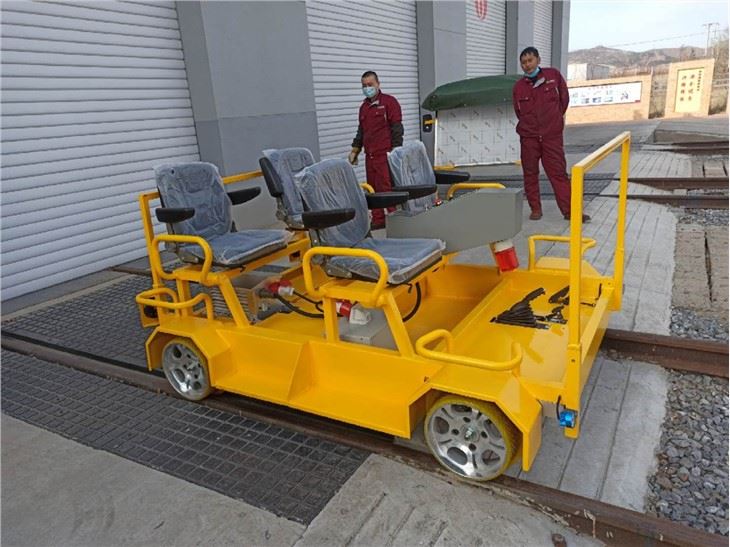
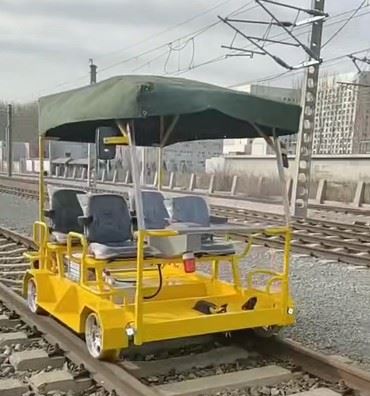
Marker lights are important for railway signaling and communication. They help other trains and railway workers to identify the position and movement of the train, which is essential for maintaining safe distances and avoiding collisions.
Specialized Lighting Systems
Signage Lighting
Signage lighting is used to illuminate important signs and information inside and outside the rail car. Inside the train, signage lighting is used to highlight exit signs, emergency instructions, and other safety - related information. Outside the train, it can be used to illuminate the train's destination signs, which are crucial for passengers to identify the correct train.
LED technology is commonly used for signage lighting because it can provide bright and uniform illumination, making the signs easily readable. Additionally, LED lights can be programmed to flash or change colors, which can be used to draw attention to important information, such as an emergency evacuation notice.
Decorative Lighting
Decorative lighting is used to enhance the aesthetic appeal of the rail car. It can be used to create a unique and memorable experience for passengers. For example, some luxury rail cars may use decorative lighting to create a star - lit ceiling effect or to highlight the interior design features of the train.
While decorative lighting is mainly for aesthetic purposes, it can also contribute to the overall comfort and atmosphere of the train. It can make the journey more enjoyable for passengers and differentiate the rail car from its competitors.
The Importance of Lighting Systems in Rail Car Series
The lighting systems in rail car series are not just about providing illumination; they are integral to the safety, comfort, and functionality of the train. Good lighting can enhance the safety of passengers and crew by providing clear visibility in all conditions, both inside and outside the train. It can also improve the overall comfort of passengers by creating a pleasant and relaxing environment during their journey.
From a marketing perspective, well - designed lighting systems can also be a selling point for rail car series. A train with modern, energy - efficient, and aesthetically pleasing lighting can attract more passengers and gain a competitive edge in the market.
As a supplier of rail car series, we are committed to providing high - quality lighting solutions that meet the diverse needs of our customers. We offer a wide range of lighting products, from ambient and task lighting to specialized signage and decorative lighting. Our lighting systems are designed to be energy - efficient, reliable, and easy to maintain, ensuring that our customers can enjoy the benefits of our products for a long time.
If you are interested in our rail car series and the lighting systems we offer, you may also be interested in some of our other products, such as the ballast profiling machine railroad rail ballast regulator rail ballast regulating sweeping machine, the Customized Li - battery Aluminium Alloy Railway Track Trolley 2seat/4seat, and the Transporting Tool Lithium Battery Rail Trolley 4 seats special designed Inspection vehicle.
We are always ready to discuss your specific requirements and provide customized solutions. If you are considering purchasing rail car series or need more information about our lighting systems, please feel free to contact us for a detailed discussion. We look forward to working with you to create the best rail car experience.
References
- Railway Electrification and Signalling Handbook. Publisher: CRC Press.
- Lighting for Transportation: Designing for Safety and Comfort. Author: John Smith. Publisher: Wiley.