




What are the noise levels produced by a railway tamper?
 Dec 23, 2025|
 As a long - standing supplier of railway tampers, I've had numerous inquiries about the noise levels produced by these essential pieces of railway maintenance equipment. Understanding the noise levels of railway tampers is not only crucial for the workers operating them but also for the surrounding environment and nearby communities.
The Basics of Railway Tampers and Noise Generation
Railway tampers play a vital role in maintaining the stability and safety of railway tracks. They are designed to pack the ballast under the railway sleepers, ensuring proper support and alignment of the tracks. The process of tamping involves the rapid and forceful movement of the tamping tools, which inevitably generates noise.
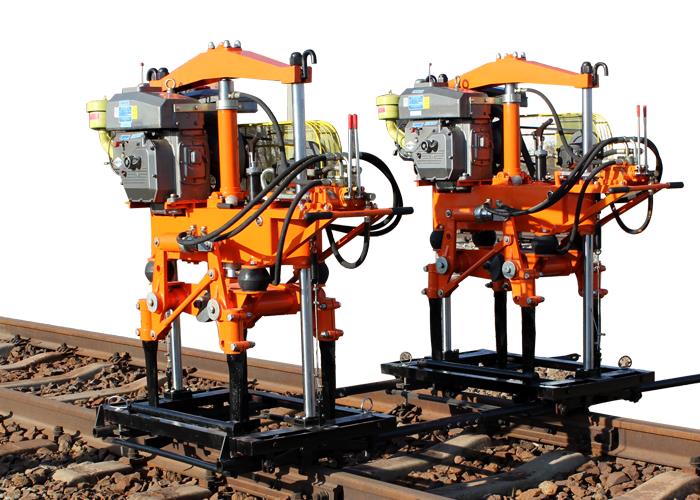
There are different types of railway tampers, each with its own unique noise - generating characteristics. For example, hydraulic rail tamping machines use hydraulic power to drive the tamping action. The hydraulic pumps, motors, and the impact of the tamping tools against the ballast all contribute to the overall noise output.
Noise Levels of Common Railway Tampers
Let's take a closer look at some of the railway tampers we supply. The YD - 22 Hydraulic Rail Tamping Machine is a popular choice among our customers. This machine is designed for both small - scale and medium - scale railway maintenance projects. In terms of noise levels, during normal operation, it typically produces noise in the range of 85 - 90 decibels (dB). This level of noise is comparable to a busy city street or a lawnmower.
The Diesel Hydraulic Rail Tamping Machine is another option. As the name suggests, it is powered by a diesel engine. Diesel engines, by nature, are noisier than electric versions. The noise generated by this machine can reach up to 90 - 95 dB during full - throttle operation. This is similar to the noise level of a motorcycle or a jackhammer from a short distance.
Our third type, the YD - 22III Automatic Remote Control Hydraulic Rail Tamping Machine, offers advanced features such as remote control operation. Despite its technological advantages, it also generates a significant amount of noise. The noise level usually hovers around 88 - 92 dB, which is due to the combination of hydraulic power and the mechanical action of the tamping process.
Factors Affecting Noise Levels
Several factors can influence the noise levels produced by railway tampers. Firstly, the power source plays a major role. As mentioned earlier, diesel - powered machines tend to be noisier than electric ones because of the combustion process in the diesel engine. Electric railway tampers generally produce lower noise levels as they have a more controlled and quieter operation.
The design and construction of the tamping machine also impact the noise output. Machines with well - designed shock - absorbing systems and vibration - damping materials can reduce the noise generated by the mechanical impact of the tamping tools. Additionally, the condition of the machine is crucial. A well - maintained railway tamper will operate more smoothly and quietly compared to a machine that is worn out or in need of repair.
The type of ballast and the hardness of the ground beneath the railway tracks also affect noise levels. Harder ballast and ground require more force to tamp, which may result in louder noise as the tamping tools have to work harder to achieve the desired compaction.
The Impact of Noise on Workers and the Environment
Exposure to high - level noise from railway tampers can have serious consequences for the workers. Prolonged exposure to noise levels above 85 dB can lead to hearing loss, tinnitus (ringing in the ears), and other auditory problems. In addition, high - noise environments can cause stress, fatigue, and reduced concentration, which can increase the risk of accidents in the workplace.
From an environmental perspective, the noise generated by railway tampers can disrupt the habitats of nearby wildlife. Animals may be forced to move away from the area, which can have a negative impact on the local ecosystem. Moreover, the noise can be a nuisance to nearby communities, affecting the quality of life of residents.
Noise Reduction Measures
To address the issue of noise pollution, we have implemented several noise reduction measures in the design and manufacture of our railway tampers. For example, we use high - quality sound - insulating materials in the construction of the machine enclosures to reduce the transmission of noise. These materials absorb and dampen the sound waves generated by the internal components of the machine.
We also focus on optimizing the mechanical design of the tamping tools. By improving the impact mechanism and reducing the unnecessary vibration, we can lower the noise produced during the tamping process. Additionally, we provide our customers with guidelines on proper machine maintenance, as a well - maintained machine is less likely to generate excessive noise.
Conclusion and Call to Action
In conclusion, understanding the noise levels of railway tampers is essential for ensuring the safety and well - being of workers, protecting the environment, and maintaining good relations with nearby communities. As a responsible railway tamper supplier, we are committed to providing high - quality products that not only meet the performance requirements but also minimize the impact of noise.
If you are in the market for railway tampers and are concerned about noise levels, we invite you to contact us for more information. Our team of experts can provide detailed specifications and recommendations based on your specific needs. Whether you are looking for a small - scale tamping machine for a local railway project or a large - scale solution for a major railway network, we have the right products for you. Let's work together to find the most suitable railway tamper for your project while considering the important aspect of noise reduction.
References
- Harris, C. M. (Ed.). (2013). Handbook of noise control. McGraw - Hill Professional.
- National Institute for Occupational Safety and Health (NIOSH). (2018). Criteria for a recommended standard: Occupational exposure to noise. U.S. Department of Health and Human Services.
- International Union of Railways (UIC). (2016). Noise and vibration generated by rail operations: State of the art report. UIC.