




What are the shock - absorbing features of a railroad tamper?
 Jan 15, 2026|
 Railroad tampers are essential pieces of equipment in the railway maintenance industry. They play a crucial role in ensuring the stability and safety of railway tracks by compacting the ballast beneath the sleepers. One of the key aspects that contribute to their efficient operation and longevity is their shock - absorbing features. As a leading railroad tamper supplier, we understand the importance of these features and how they enhance the performance of our machines.
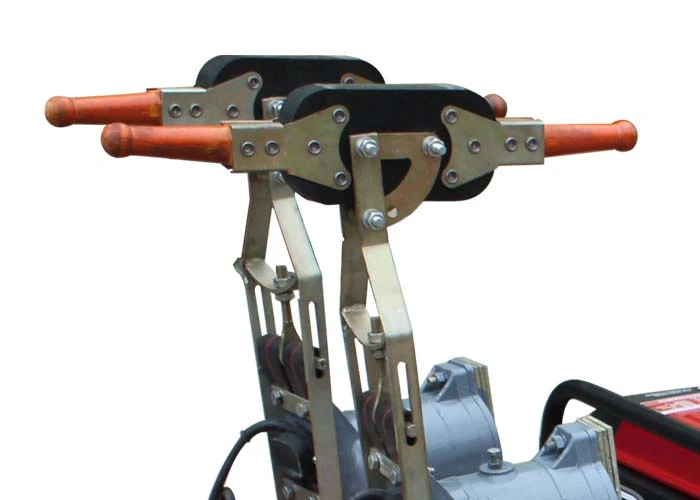
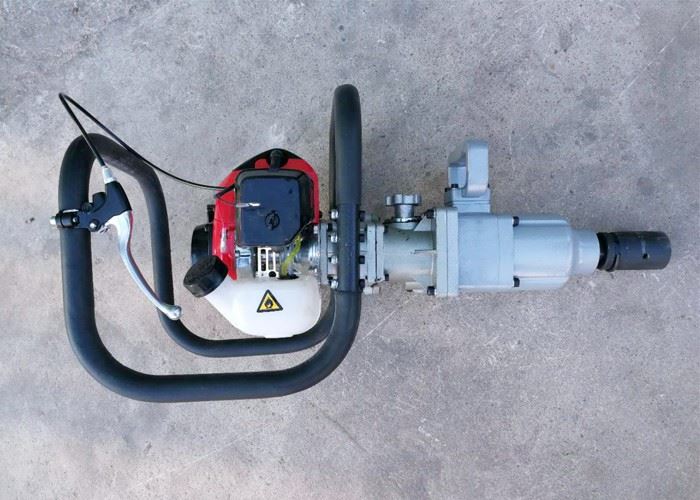
The Necessity of Shock Absorption in Railroad Tampers
Railroad tampers operate in a high - vibration environment. When they are used to compact the ballast, the impact forces generated can be extremely large. These forces not only affect the accuracy of the tamping operation but also cause wear and tear on the machine components. Without proper shock - absorbing features, the railroad tamper may experience premature failure, leading to increased maintenance costs and downtime.
Moreover, the operators of these machines are also exposed to high - intensity vibrations. Prolonged exposure to such vibrations can cause health problems, including hand - arm vibration syndrome. Therefore, shock - absorbing features are not only beneficial for the machinery but also for the well - being of the operators.
Types of Shock - Absorbing Features
1. Rubber Mounts
Rubber mounts are one of the most common shock - absorbing features in railroad tampers. They are usually placed between the major components of the machine, such as the engine and the frame, or between the tamper head and the main body. Rubber has excellent elastic properties, which allow it to absorb and dissipate energy when it is deformed.
When the machine is in operation, the vibrations generated during the tamping process are transmitted to the rubber mounts. The rubber mounts then compress and expand, converting the kinetic energy of the vibrations into heat energy, which is dissipated into the surrounding environment. This reduces the amount of vibration that is transferred to other parts of the machine, thereby protecting the components from damage.
For example, in our NLB - 500 Internal Combustion Rail Track Bolt Wrench, high - quality rubber mounts are used to isolate the engine from the frame. This not only reduces the noise and vibration levels during operation but also extends the service life of the engine and other components.
2. Spring Systems
Spring systems are another effective way to absorb shocks in railroad tampers. Springs can be designed to have different stiffness characteristics, depending on the specific requirements of the machine. They work by storing and releasing energy when they are compressed or stretched.
In a railroad tamper, springs are often used in the suspension system of the tamper head. When the tamper head hits the ballast, the springs compress, absorbing the impact energy. As the tamper head moves back to its original position, the springs release the stored energy, helping the machine to operate smoothly.
Our YD - 22III Automatic Remote Control Hydraulic Rail Tamping Machine is equipped with a sophisticated spring system in its tamper head. This system ensures that the tamper head can adapt to different ballast conditions and reduces the impact forces on the machine, resulting in more efficient tamping and less wear on the components.
3. Hydraulic Dampers
Hydraulic dampers are used to control the movement of machine parts and dampen vibrations. They work based on the principle of fluid resistance. When a piston moves inside a hydraulic damper, the fluid is forced to flow through small orifices, creating resistance. This resistance dissipates the energy of the vibrations.
In railroad tampers, hydraulic dampers are often used in combination with other shock - absorbing elements, such as rubber mounts and springs. For example, in the tamping arms of our D - 3*4 Electrical Rail Tamping Machine, hydraulic dampers are installed to control the movement of the tamping tools. This helps to smooth out the tamping process and reduces the impact forces on the machine.
Benefits of Shock - Absorbing Features
1. Enhanced Machine Durability
By reducing the impact forces and vibrations, shock - absorbing features significantly extend the service life of railroad tampers. Components such as engines, gears, and bearings are less likely to experience premature wear and failure. This means that the machine can operate for a longer period without major repairs, reducing the overall cost of ownership.
2. Improved Operational Efficiency
Shock - absorbing features help to keep the tamper head in better contact with the ballast. This allows for more uniform compaction of the ballast, which is essential for maintaining the stability and alignment of the railway tracks. As a result, the tamping operation can be completed more accurately and efficiently, reducing the time and labor required for track maintenance.
3. Operator Comfort
As mentioned earlier, shock - absorbing features also have a positive impact on the health and comfort of the operators. By reducing the vibrations transmitted to the operator's hands and body, these features minimize the risk of hand - arm vibration syndrome and other related health problems. This not only improves the well - being of the operators but also increases their productivity.
Conclusion
In conclusion, the shock - absorbing features of railroad tampers are of great significance. Rubber mounts, spring systems, and hydraulic dampers are all important components that work together to reduce vibrations and impact forces, enhancing the durability, operational efficiency, and operator comfort of the machines.
As a professional railroad tamper supplier, we are constantly committed to improving the shock - absorbing technology of our products. Our NLB - 500 Internal Combustion Rail Track Bolt Wrench, YD - 22III Automatic Remote Control Hydraulic Rail Tamping Machine, and D - 3*4 Electrical Rail Tamping Machine are all equipped with advanced shock - absorbing features to meet the high - standard requirements of the railway maintenance industry.
If you are interested in our railroad tampers and want to discuss your procurement needs, please feel free to contact us. We are looking forward to establishing long - term and mutually beneficial cooperation with you.
References
- "Railway Track Maintenance Handbook", John Wiley & Sons
- "Vibration Isolation and Damping Technology", Springer Publishing