




What is the clearance between railway cars and the surrounding environment?
 May 29, 2025|
 Hey there! As a supplier of railway cars, I've been getting a lot of questions lately about the clearance between railway cars and the surrounding environment. It's a super important topic, especially when it comes to safety and efficiency in the railway industry. So, let's dive right in and explore what this clearance is all about.
First off, what do we mean by the clearance between railway cars and the surrounding environment? Well, it's basically the space that needs to be maintained between the railway cars and everything else around them. This includes things like platforms, buildings, other trains on adjacent tracks, and even natural obstacles like trees or rocks near the tracks.
The clearance is crucial for a few reasons. Safety is the number one concern. If there's not enough clearance, there's a risk of collisions. For example, if a railway car is too close to a platform, passengers might get caught between the car and the platform when getting on or off. And if there's not enough space between two trains on adjacent tracks, there could be a serious accident.
Efficiency is another key factor. Adequate clearance allows railway cars to move smoothly along the tracks. If the clearance is too tight, it can slow down the trains, causing delays and increasing operating costs. It also gives maintenance crews enough room to work on the cars and the tracks without getting in the way of passing trains.
Now, let's talk about how this clearance is determined. There are a bunch of factors that come into play. The size and shape of the railway cars are obviously important. Different types of cars, like passenger cars, freight cars, and special - purpose cars, have different dimensions. For instance, a high - speed passenger train might have a different clearance requirement compared to a bulky freight car carrying large containers.
The speed of the trains also matters. Faster trains need more clearance because they have a larger "safety envelope" due to their high kinetic energy. At high speeds, even a small obstacle can cause a major derailment or collision.
The layout of the railway tracks is another factor. Curves, gradients, and the distance between adjacent tracks all affect the clearance. On sharp curves, the outer part of the railway car swings out further, so more clearance is needed on that side.
As a railway car supplier, we take all these factors into account when designing and manufacturing our cars. We work closely with railway operators and engineers to ensure that our cars meet the required clearance standards.
One of the products we offer that is designed with clearance in mind is the Transporting Tool Lithium Battery Rail Trolley 4 seats special designed Inspection vehicle. This trolley is used for inspecting railway tracks and is built to move safely within the specified clearances. It's small and maneuverable, making it ideal for getting into tight spaces along the tracks without violating the clearance limits.
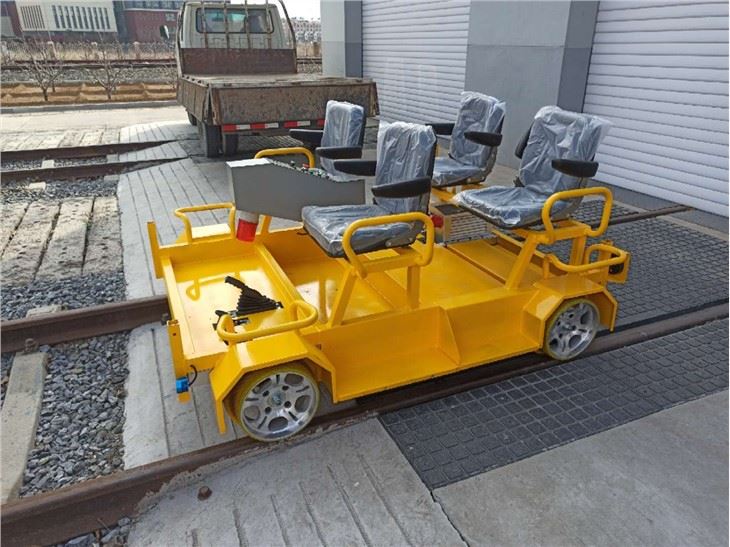
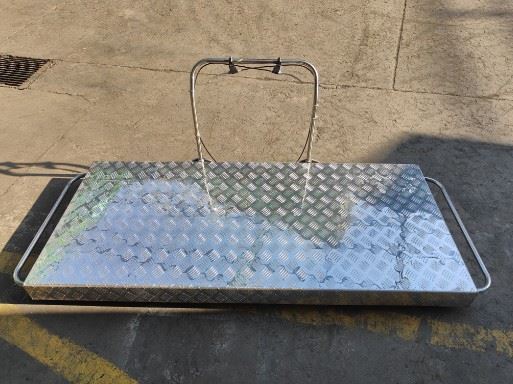
Another great option is the Battery Rail Trolley. This trolley is powered by a battery, which makes it quiet and environmentally friendly. It's designed to have a compact size while still providing enough space for passengers or equipment. This ensures that it can operate within the clearance requirements of most railway lines.
And of course, we also have the Rail Trolley. This is a versatile vehicle that can be used for various purposes, from transporting small loads to providing access to hard - to - reach areas along the tracks. It's built with the right dimensions to fit comfortably within the clearance between the railway cars and the surrounding environment.
When it comes to the actual measurement of the clearance, there are standard methods and tools. Laser measurement devices are commonly used to accurately measure the distance between the railway cars and the surrounding structures. These devices can provide precise readings, allowing railway operators to ensure that the clearances are within the acceptable range.
Regulatory bodies also play a big role in setting and enforcing clearance standards. They have strict rules and guidelines that railway operators and car suppliers must follow. These regulations are in place to protect the safety of passengers, crew, and the general public.
In some cases, modifications might be needed to existing railway infrastructure to meet the clearance requirements. For example, if a new type of railway car is introduced that has larger dimensions, the platforms or the space between adjacent tracks might need to be adjusted.
As a supplier, we're always looking for ways to improve the design of our railway cars to better fit within the clearance requirements. We invest in research and development to come up with innovative solutions that can enhance safety and efficiency. For example, we're exploring the use of new materials that can reduce the weight and size of the cars without compromising their strength and functionality.
We also provide training and support to our customers on how to ensure proper clearance when operating our cars. This includes guidelines on things like loading the cars correctly to prevent over - hanging and ensuring that the cars are maintained in good condition to avoid any issues that could affect the clearance.
In conclusion, the clearance between railway cars and the surrounding environment is a critical aspect of the railway industry. It impacts safety, efficiency, and the overall operation of the railway system. As a railway car supplier, we're committed to providing high - quality cars that meet the clearance standards and work closely with our customers to ensure that they can operate our products safely and effectively.
If you're in the market for railway cars or related products, we'd love to have a chat with you. Whether you're a railway operator looking to upgrade your fleet or a maintenance company in need of specialized inspection vehicles, we have the solutions for you. Get in touch with us to start a conversation about your specific requirements and how we can help you find the perfect railway car for your needs.
References
- Railway Engineering Manual: Covers general principles of railway design, including clearance requirements.
- Safety Regulations for Railway Operations: Published by relevant regulatory bodies, outlining the clearance standards.
- Industry Research Reports: Provide insights into the latest trends and developments in railway car design and clearance management.