




What is the communication system between the engineer and the conductor in a railway car?
 Jun 06, 2025|
 Hey there! As a supplier of railway cars, I've been in the thick of the railway industry for quite a while. One question that often pops up is about the communication system between the engineer and the conductor in a railway car. It's a crucial aspect that ensures the smooth and safe operation of trains, so let's dive right in and explore it.
First off, why do we even need a communication system between the engineer and the conductor? Well, think about it. The engineer is sitting up front, focused on driving the train, making sure it runs at the right speed, and stops at the right places. On the other hand, the conductor is responsible for things like passenger safety, ticketing, and dealing with any on - board issues. For the whole train operation to go off without a hitch, these two need to be in constant communication.
There are several ways they communicate, and the most basic one is through a direct intercom system. This is like a two - way radio inside the train. The engineer can pick up the handset and talk to the conductor, and vice versa. It's a simple and reliable way to share important information. For example, if there's a mechanical problem with the train, the engineer can quickly let the conductor know so that the conductor can inform the passengers and take appropriate action.
In addition to the intercom, modern trains also use digital communication systems. These systems can transmit not only voice but also data. For instance, the engineer can send information about the train's speed, location, and any upcoming stops to the conductor's device. The conductor can then use this data to better manage the passengers and prepare for the next stop.
Another interesting part of the communication system is the use of emergency signals. In case of an emergency, the engineer or the conductor can send out a special signal that alerts the other person. This could be a loud beep or a specific code on the communication device. It's a failsafe mechanism to ensure that in critical situations, both parties are immediately aware and can take action to protect the passengers and the train.

Now, let's talk a bit about how these communication systems relate to the railway cars we supply. At our company, we understand the importance of reliable communication. That's why we make sure that all our railway cars are equipped with high - quality intercoms and digital communication devices. We work with top - notch manufacturers to source the best components for these systems.
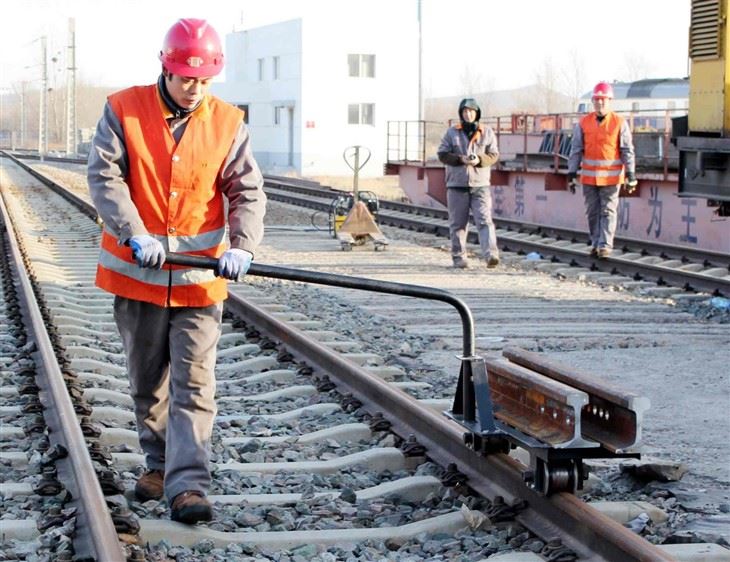
For example, we offer the Railway Track Transport Trolley Carrying Rail Track Tools Track Tools Carrier. This type of railway car is often used for maintenance purposes. The communication system in these cars allows the engineer and the conductor to coordinate the transportation of tools and equipment along the railway track. The engineer can tell the conductor when it's safe to load or unload the tools, and the conductor can update the engineer on the progress of the work.
Our Track Replacement Vehicle is another product where communication is key. When replacing railway tracks, the engineer needs to know exactly when the conductor has completed certain tasks, like removing the old tracks or installing the new ones. The communication system enables seamless cooperation between the two, ensuring that the track replacement process is efficient and safe.
And then there's the GYC - II Road Rail Vehicle. This vehicle can operate on both roads and railways, which adds an extra layer of complexity to the communication. The engineer and the conductor need to communicate effectively when transitioning between road and rail modes, as well as during normal operation on either surface.
When it comes to the future of communication systems in railway cars, technology is constantly evolving. We're looking at things like artificial intelligence - assisted communication, which could analyze the conversation between the engineer and the conductor and provide real - time suggestions or warnings. There are also plans to integrate the communication systems with other railway infrastructure, such as signaling systems, to create a more interconnected and efficient railway network.
As a supplier, we're committed to staying at the forefront of these technological advancements. We invest in research and development to ensure that our railway cars are equipped with the latest and greatest communication systems. We also provide training to our customers on how to use these systems effectively, so that they can get the most out of their railway cars.
If you're in the market for railway cars and are interested in learning more about our products and the communication systems they come with, we'd love to hear from you. Whether you're a railway operator, a maintenance company, or anyone else in the industry, we're here to provide you with the best solutions. Reach out to us for a consultation and let's start a conversation about how our railway cars can meet your needs.
References
- Railway Industry Technical Manuals
- Journals on Railway Technology and Communication
- Manufacturer's Documentation for Communication Systems in Trains