




What is the latest technology used in modern railway tampers?
 Dec 22, 2025|
 In the realm of modern railway maintenance, railway tampers play a pivotal role in ensuring the safety and smooth operation of railway tracks. As a dedicated railway tamper supplier, I am excited to delve into the latest technologies that are revolutionizing the design and functionality of modern railway tampers.
1. Advanced Hydraulic Systems
One of the most significant technological advancements in modern railway tampers is the development of advanced hydraulic systems. These systems have replaced traditional mechanical systems in many applications due to their superior performance, precision, and reliability.
Hydraulic systems in modern railway tampers use high - pressure fluids to generate the force required for tamping operations. The key advantage of hydraulic systems is their ability to provide precise control over the tamping force. By adjusting the pressure of the hydraulic fluid, operators can ensure that the correct amount of force is applied to the ballast beneath the railway tracks, effectively compacting it to the desired density.
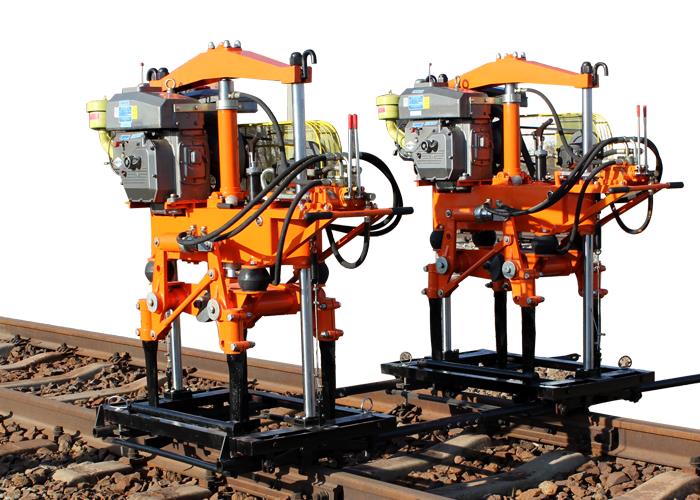
For example, our YD - 22 Hydraulic Rail Tamping Machine is equipped with a state - of the - art hydraulic system. This machine can generate a powerful tamping force while allowing for fine - tuned adjustments. The hydraulic cylinders in the machine are designed to provide smooth and consistent movement of the tamping tools, which are essential for achieving uniform compaction of the ballast.
Another benefit of advanced hydraulic systems is their energy efficiency. Modern hydraulic pumps are designed to operate at optimal efficiency, reducing energy consumption and minimizing the environmental impact of railway maintenance operations. Additionally, hydraulic systems are relatively low - maintenance compared to mechanical systems, as they have fewer moving parts and are less prone to wear and tear.
2. Automation and Remote Control
Automation and remote control technologies have also made a significant impact on modern railway tampers. These technologies have improved the safety, efficiency, and productivity of tamping operations.
Automated railway tampers are equipped with sensors and control systems that can perform tamping operations with minimal human intervention. For instance, the machine can automatically detect the position and condition of the railway tracks and adjust the tamping parameters accordingly. This not only ensures more accurate tamping but also reduces the risk of human error.
Our YD - 22III Automatic Remote Control Hydraulic Rail Tamping Machine is a prime example of this technology. It can be operated remotely, allowing the operator to control the machine from a safe distance. This is particularly useful in hazardous environments or when working on busy railway lines. The remote control system enables the operator to start, stop, and adjust the tamping process without being in close proximity to the moving parts of the machine, significantly enhancing safety.
In addition to remote control, modern railway tampers can also be integrated with other railway maintenance systems. For example, they can communicate with track inspection systems to receive real - time data on track conditions. This data can then be used to optimize the tamping process, ensuring that the tracks are maintained in the best possible condition.
3. Intelligent Monitoring and Diagnostic Systems
Intelligent monitoring and diagnostic systems are another important technological development in modern railway tampers. These systems use sensors and data analytics to monitor the performance of the machine and detect potential problems before they cause significant damage.
Sensors are installed throughout the railway tamper to measure various parameters such as temperature, pressure, vibration, and tamping force. The data collected by these sensors is then transmitted to a central control unit, where it is analyzed using advanced algorithms. The system can identify patterns and trends in the data, allowing it to predict when a component is likely to fail or when maintenance is required.
For example, if the temperature of a hydraulic pump exceeds a certain threshold, the monitoring system can alert the operator immediately. This early warning system enables proactive maintenance, reducing downtime and repair costs. Moreover, the data collected by the monitoring system can be used to improve the design and performance of future railway tampers.
4. Lightweight and Durable Materials
The use of lightweight and durable materials is also a notable trend in modern railway tamper design. Traditional railway tampers were often heavy and bulky, which made them difficult to transport and operate. However, with the development of new materials such as high - strength steel alloys and composite materials, modern railway tampers are becoming lighter and more portable.
High - strength steel alloys offer excellent strength - to - weight ratios, allowing for the construction of robust yet lightweight tamping frames. Composite materials, on the other hand, are corrosion - resistant and can withstand harsh environmental conditions. These materials are used in the construction of components such as tamping tools and frames, increasing the lifespan of the machine and reducing maintenance requirements.
5. Environmental Considerations
In recent years, there has been a growing emphasis on environmental considerations in the design of railway tampers. Manufacturers are increasingly focusing on developing machines that are more energy - efficient and produce fewer emissions.
As mentioned earlier, advanced hydraulic systems are more energy - efficient than traditional mechanical systems. In addition, some modern railway tampers are powered by alternative energy sources such as electric motors or hybrid engines. Electric - powered railway tampers produce zero emissions during operation, making them an environmentally friendly option for railway maintenance.
Our Internal Combustion Slope Protection Shaping Machine is designed with environmental friendliness in mind. It uses a fuel - efficient internal combustion engine that meets the latest emission standards, reducing its impact on the environment.
Conclusion
The latest technologies used in modern railway tampers have significantly improved the performance, efficiency, and safety of railway maintenance operations. Advanced hydraulic systems, automation and remote control, intelligent monitoring and diagnostic systems, lightweight and durable materials, and environmental considerations are all contributing to the evolution of railway tampers.
As a railway tamper supplier, we are committed to staying at the forefront of these technological advancements. We continuously invest in research and development to ensure that our products meet the highest standards of quality and performance. If you are interested in learning more about our railway tampers or are considering a purchase, we invite you to contact us for a detailed discussion. Our team of experts is ready to provide you with the best solutions for your railway maintenance needs.
References
- Railway Engineering Handbook, Second Edition. Editors: John B. Anderson, et al.
- Proceedings of the International Conference on Railway Maintenance and Safety. Various authors.