




What is the weight of a typical rail tamper?
 Sep 26, 2025|
 As a reputable supplier of rail tampers, I often encounter inquiries about the weight of a typical rail tamper. This question is crucial for various stakeholders in the railway industry, including railway maintenance crews, project managers, and equipment operators. Understanding the weight of a rail tamper is essential for transportation, installation, and operation, as it directly impacts logistics, safety, and performance.
Factors Influencing the Weight of Rail Tampers
The weight of a rail tamper can vary significantly depending on several factors, including its type, size, design, and the materials used in its construction. Here are some of the key factors that influence the weight of a rail tamper:
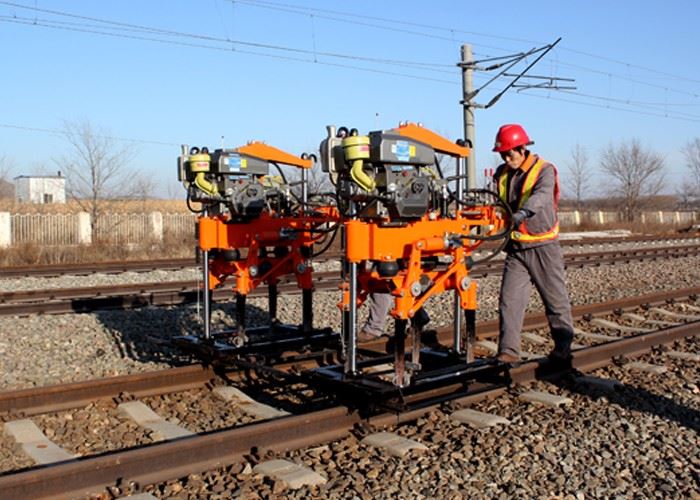
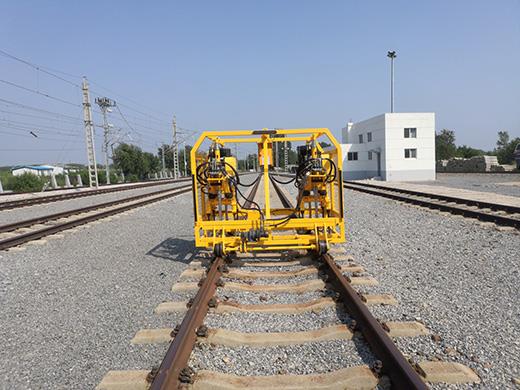
- Type of Rail Tamper: There are several types of rail tampers available in the market, each designed for specific applications and requirements. Some of the common types of rail tampers include handheld tampers, mechanical tampers, hydraulic tampers, and intelligent tampers. Handheld tampers are typically the lightest, weighing between 10 to 30 kilograms, while larger hydraulic and intelligent tampers can weigh several tons.
- Size and Dimensions: The size and dimensions of a rail tamper also play a significant role in determining its weight. Larger tampers with more extensive working components and a greater reach will generally weigh more than smaller, more compact models. Additionally, the height, length, and width of the tamper can affect its overall weight and stability.
- Design and Construction: The design and construction of a rail tamper can have a significant impact on its weight. Tampers with a more robust and durable design, featuring heavy-duty materials and components, will generally weigh more than those with a lighter, more streamlined design. Additionally, the presence of additional features and accessories, such as hydraulic systems, motors, and control panels, can also contribute to the overall weight of the tamper.
- Materials Used: The materials used in the construction of a rail tamper can also affect its weight. Tampers made from high-strength steel and other heavy-duty materials will generally weigh more than those made from lighter materials, such as aluminum or composite materials. However, the use of heavier materials can also provide greater durability and reliability, making them more suitable for demanding applications.
Weight Ranges of Different Types of Rail Tampers
To provide a better understanding of the weight of a typical rail tamper, let's take a closer look at the weight ranges of different types of rail tampers:
- Handheld Tampers: Handheld tampers are the smallest and lightest type of rail tamper, typically weighing between 10 to 30 kilograms. These tampers are designed for manual operation and are commonly used for light maintenance and repair work on railway tracks. Handheld tampers are easy to carry and maneuver, making them ideal for use in tight spaces and hard-to-reach areas.
- Mechanical Tampers: Mechanical tampers are larger and heavier than handheld tampers, typically weighing between 100 to 500 kilograms. These tampers are powered by a mechanical engine or motor and are designed for more heavy-duty applications, such as tamping ballast under railway tracks. Mechanical tampers are more powerful and efficient than handheld tampers, but they are also more difficult to operate and require more maintenance.
- Hydraulic Tampers: Hydraulic tampers are the most powerful and versatile type of rail tamper, typically weighing between 1 to 10 tons. These tampers are powered by a hydraulic system and are designed for large-scale railway maintenance and construction projects. Hydraulic tampers are capable of applying a high amount of force to the ballast, ensuring a more efficient and effective tamping process. They are also equipped with advanced features and controls, allowing for precise and accurate tamping operations.
- Intelligent Tampers: Intelligent tampers are the latest innovation in rail tamper technology, typically weighing between 5 to 20 tons. These tampers are equipped with advanced sensors, control systems, and automation technology, allowing for autonomous operation and real-time monitoring of the tamping process. Intelligent tampers are capable of adjusting the tamping force and frequency based on the specific requirements of the track, ensuring a more consistent and high-quality tamping result.
Importance of Considering the Weight of a Rail Tamper
When selecting a rail tamper for your railway maintenance or construction project, it is essential to consider the weight of the tamper and how it will impact your operations. Here are some of the key reasons why the weight of a rail tamper is important:
- Transportation and Logistics: The weight of a rail tamper can significantly impact its transportation and logistics requirements. Larger and heavier tampers may require specialized transportation equipment, such as trucks or trailers, and may also require additional permits and approvals for transportation. Additionally, the weight of the tamper can affect its maneuverability and ease of installation on the track.
- Safety and Stability: The weight of a rail tamper is also an important factor to consider for safety and stability reasons. A heavier tamper will generally be more stable and less likely to tip over during operation, reducing the risk of accidents and injuries. Additionally, the weight of the tamper can affect its ability to withstand the forces generated during the tamping process, ensuring a more reliable and efficient operation.
- Performance and Efficiency: The weight of a rail tamper can also impact its performance and efficiency. A heavier tamper will generally be more powerful and capable of applying a greater amount of force to the ballast, resulting in a more efficient and effective tamping process. Additionally, the weight of the tamper can affect its ability to maintain a consistent tamping force and frequency, ensuring a more uniform and high-quality tamping result.
Our Rail Tamper Products and Their Weights
As a leading supplier of rail tampers, we offer a wide range of high-quality rail tamper products to meet the diverse needs of our customers. Here are some of our popular rail tamper products and their approximate weights:
- Hydraulic Ballast Tamping Machine YD - 22 For Railway: This hydraulic ballast tamping machine is designed for efficient and effective tamping of railway ballast. It weighs approximately 2 tons and is suitable for use in various railway maintenance and construction projects.
- YD - 22Ⅲ Intelligent Rail Tamping Machine Unit: This intelligent rail tamping machine unit is equipped with advanced sensors and control systems for autonomous operation. It weighs approximately 5 tons and is capable of providing a high-quality tamping result with minimal human intervention.
- Railroad Tamper: Our railroad tamper is a versatile and reliable machine designed for tamping railway tracks. It weighs approximately 1 ton and is suitable for use in both light and heavy-duty applications.
Conclusion
In conclusion, the weight of a typical rail tamper can vary significantly depending on its type, size, design, and the materials used in its construction. Understanding the weight of a rail tamper is essential for transportation, installation, and operation, as it directly impacts logistics, safety, and performance. When selecting a rail tamper for your railway maintenance or construction project, it is important to consider the weight of the tamper and how it will impact your operations.
If you are interested in learning more about our rail tamper products or have any questions about the weight or other specifications of our tampers, please do not hesitate to contact us. Our team of experts is available to provide you with detailed information and assistance to help you select the right rail tamper for your needs. We look forward to the opportunity to discuss your requirements and work with you on your next railway project.
References
- Railway Maintenance Technology Handbook
- Handbook of Railway Engineering and Technology