




What safety precautions should be taken when using a Rail Cutter?
 Aug 14, 2025|
 When it comes to using a rail cutter, safety should always be the top priority. As a reliable rail cutter supplier, I understand the significance of safety precautions in the operation of these powerful tools. In this blog, I will share some essential safety measures that should be taken when using a rail cutter to ensure the well - being of operators and the smooth progress of the work.
Pre - operation Safety Checks
1. Inspection of the Rail Cutter
Before starting the rail cutter, a thorough inspection is necessary. Check for any visible signs of damage such as cracks, loose parts, or worn - out components. For example, examine the cutting blade for sharpness and integrity. A dull or damaged blade can not only affect the cutting efficiency but also pose a safety risk as it may cause the cutter to jam or kick back during operation. If you notice any issues, do not attempt to use the machine until the problems are resolved. You can refer to the user manual for detailed inspection procedures.
2. Power Source and Electrical Components
If your rail cutter is electrically powered, pay close attention to the power source and electrical components. Ensure that the power cord is in good condition, without any fraying or exposed wires. Check the grounding of the machine to prevent electric shocks. For fuel - powered rail cutters, check the fuel tank for leaks and the fuel lines for any signs of damage. Make sure the fuel used is of the correct type and grade as specified in the manual.
3. Personal Protective Equipment (PPE)
Operators must wear appropriate PPE at all times during the operation of the rail cutter. This includes safety glasses to protect the eyes from flying debris, ear protection to reduce the noise level, and gloves to provide a better grip and protect the hands from cuts and abrasions. A hard hat is also essential to protect the head from any falling objects. In addition, wear safety shoes with steel toes to safeguard the feet from heavy objects or accidental impacts.
During Operation Safety Precautions
1. Stable Working Surface
Place the rail cutter on a stable and level surface before starting the operation. An unstable surface can cause the machine to tip over during cutting, leading to serious injuries. If necessary, use leveling tools to ensure the stability of the working platform. This step is crucial as it provides a solid foundation for the machine and helps to maintain accurate cutting.
2. Correct Cutting Technique
Use the rail cutter according to the correct cutting technique. Do not force the cutter through the rail. Let the machine do the work at its own pace. Apply gentle and even pressure during the cutting process. Incorrect cutting techniques can cause the blade to break or the machine to malfunction. For example, if you try to cut too quickly or at an improper angle, it may result in a rough cut or damage to the rail and the cutter itself.
3. Keep a Safe Distance
Maintain a safe distance from the cutting area. Do not stand directly in front of or behind the blade. Flying debris can be ejected at high speeds during cutting, and being too close to the blade increases the risk of injury. Make sure that there are no bystanders in the immediate vicinity of the work area. Set up a safety perimeter around the cutting area to prevent unauthorized access.
4. Monitoring the Machine
During the operation, constantly monitor the rail cutter. Listen for any unusual noises or vibrations, which may indicate a problem with the machine. If you notice any abnormal conditions, stop the machine immediately and investigate the cause. Continuing to operate a malfunctioning machine can lead to more serious damage and safety hazards.
Post - operation Safety Measures
1. Machine Shutdown
After completing the cutting work, follow the proper shutdown procedure. Turn off the power source of the rail cutter. If it is a fuel - powered machine, allow it to cool down for a while before refueling or performing any maintenance. This helps to prevent overheating and potential fire hazards.
2. Cleaning and Maintenance
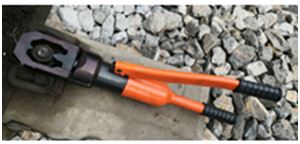
Clean the rail cutter after each use. Remove any debris, dust, or metal shavings from the machine. This not only helps to keep the machine in good working condition but also reduces the risk of corrosion. Regular maintenance is also essential. Lubricate the moving parts as recommended in the manual and check the tightness of the bolts and nuts. For example, you can use the LP - I Bolt Nut breaking cutter for rusted nuts to deal with rusted nuts during maintenance.

3. Storage
Store the rail cutter in a dry and secure place. Protect it from moisture, dust, and extreme temperatures. If possible, cover the machine with a protective cover to prevent damage. Proper storage helps to extend the service life of the rail cutter and ensures that it is ready for the next use.
Additional Safety Considerations
1. Training
Ensure that all operators are properly trained before using the rail cutter. Training should cover the operation of the machine, safety procedures, and emergency response. A well - trained operator is more likely to use the machine safely and efficiently. Training programs can be provided by the manufacturer or a professional training institution.
2. Complementary Tools
In some cases, complementary tools can enhance the safety and efficiency of rail cutting. For example, the Track Way Rail Waist Surface Grinding Machine and GYDM - III Rail Waist Grinding Machine can be used for post - cutting surface treatment, which helps to ensure the quality of the rail and reduces the risk of sharp edges.
In conclusion, using a rail cutter safely requires strict adherence to safety precautions at every stage, from pre - operation checks to post - operation maintenance. As a rail cutter supplier, I am committed to providing high - quality rail cutters and promoting safety awareness among our customers. If you are interested in our rail cutters or have any questions about safety precautions, please feel free to contact us for procurement and further discussion.
References
- Manufacturer's user manuals for rail cutters
- Occupational Safety and Health Administration (OSHA) guidelines for industrial machinery operation