





Basic Knowledge Of Coiled Tubing
 Nov 22, 2021|
 Basic knowledge of coiled tubing
Coiled tubing (CT) is a kind of continuous synthetic tubing that can be wound on the drum according to the required length manufactured by the manufacturer. The outer diameter of tubing is usually 0.75 "- 5", and the yield strength of steel used is also from 55000 psi to 120000 psi. At present, the longest oil pipe that can be wound by a single drum in commercial use is more than 9000 meters.
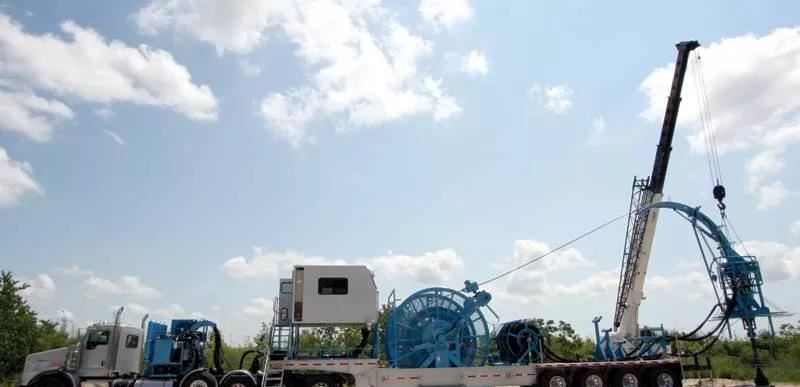
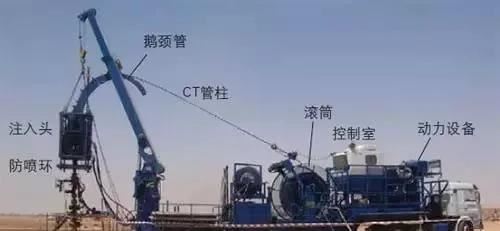
2.Main components of coiled tubing and equipment
1) Drum: storing and conveying coiled tubing;
2) Injection head: provide power for tripping coiled tubing;
3) Operating room: the equipment operator monitors and controls coiled tubing here;
4) Power unit: hydraulic power source required for operating coiled tubing equipment;
5) Well control device: wellhead safety device for coiled tubing under pressure operation.
Coiled tubing · well control device
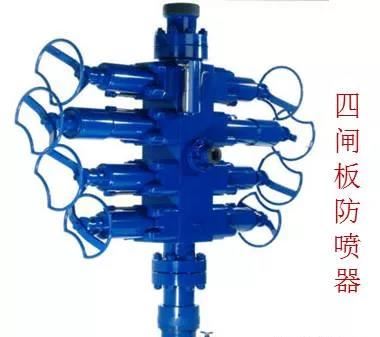
Well control device is another key part of coiled tubing operation. A typical coiled tubing well control device includes a BOP stack (BOP) and a BOP box connected to the upper part of the BOP (there are usually two BOP boxes and a spare BOP for high-pressure continuous well tubing operation). All these devices must consider their pressure level and suitable temperature range when working on site. The BOP box is equipped with sealing elements to isolate the pressure system in the wellbore. It is usually installed between BOP and injection head. The sealing of the BOP box is divided into dynamic seal and static seal. The BOP device is designed as a side door type, which is convenient for replacing the sealing elements of coiled tubing when it is in the well.

The BOP is connected to the lower end of the blowout preventer and can also be used to control the wellbore pressure. According to the coiled tubing operation requirements, the BOP is usually specially designed, including several pairs of rams, and each ram has its special function. Four ram system is the most common BOP in operation.
04
Coiled tubing · operation characteristics
1) Snubbing operation
2) Do not move the string in the well to protect the production tubing
3) Be able to complete some operations that cannot be carried out by conventional methods
4) Replace some routine operations, with higher efficiency and operation quality
5) Cost saving, simple and time-saving, safe and reliable, and widely used
05
Coiled tubing · development history
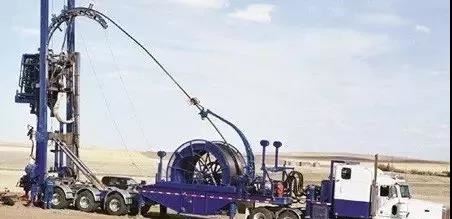
The application of coiled tubing began in 1944 during World War II. It is mainly the submarine pipeline (Pluto) to transport fuel to the Allied forces in continental Europe.
In the early 1960s, it began to be used in the petroleum industry, mainly for well washing and sand bridge removal. Due to frequent mechanical accidents, coiled tubing is on the verge of premature death.
In the 1980s, technicians improved CT welding technology and improved wellhead control system. Coiled tubing technology has been widely used in workover, completion, drilling, logging and so on. In particular, coiled tubing fracturing has been more widely used in shale gas development projects since 2014.