




Are railway cars environmentally friendly?
 Jul 23, 2025|
 Hey there! As a supplier of railway cars, I've been getting a ton of questions lately about whether railway cars are environmentally friendly. It's a hot - button topic, and I'm stoked to break it down for you.
Let's start with the basics. When we think about transportation, one of the biggest environmental concerns is emissions. And here's where railway cars have a major edge. Trains, in general, are far more fuel - efficient than trucks or cars. A single freight train can carry the equivalent of several hundred trucks' worth of cargo. According to the Association of American Railroads, freight railroads can move one ton of freight an average of 479 miles on a single gallon of fuel. That's some seriously impressive efficiency right there! This efficiency means fewer emissions per ton - mile of cargo transported. So, from a freight - moving perspective, railway cars are a win for the environment.
Now, let's talk about passenger transportation. High - speed trains are becoming increasingly popular around the world. They not only offer a quick and convenient way to travel between cities but also have a much lower carbon footprint compared to airplanes. For short - to medium - distance trips, taking a train can save a significant amount of greenhouse gas emissions. It's no wonder that many countries are investing in expanding their high - speed rail networks.
But it's not just about emissions during operation. The materials used in railway cars also play a role in their environmental impact. Modern railway cars are designed with sustainability in mind. Manufacturers are using lighter and more durable materials like aluminum and composite materials. These materials reduce the overall weight of the train, which in turn reduces energy consumption. Plus, they have a longer lifespan, meaning fewer resources are needed for replacements over time.
Another aspect to consider is the infrastructure. Rail networks are a long - term investment, and once they're built, they can serve for generations. Building and maintaining a rail network does require resources, but in the long run, it can be more environmentally friendly than constantly expanding and maintaining road networks. Roads need regular resurfacing, and the expansion of highways often leads to deforestation and habitat destruction. Railways, on the other hand, have a smaller footprint on the land and can coexist with natural habitats more easily.
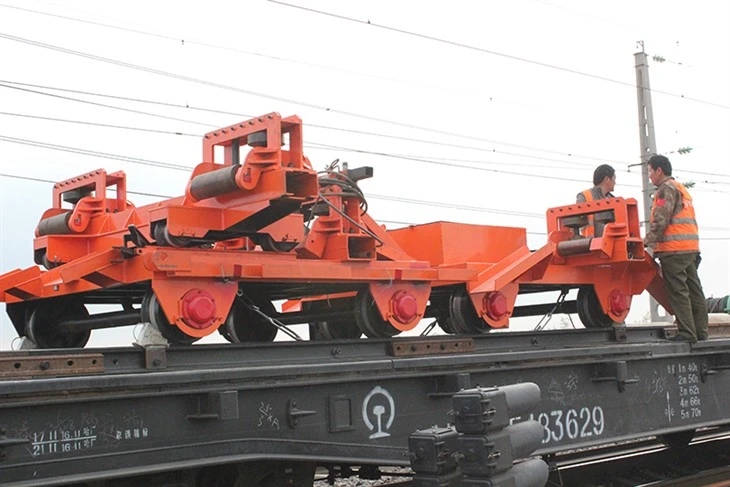
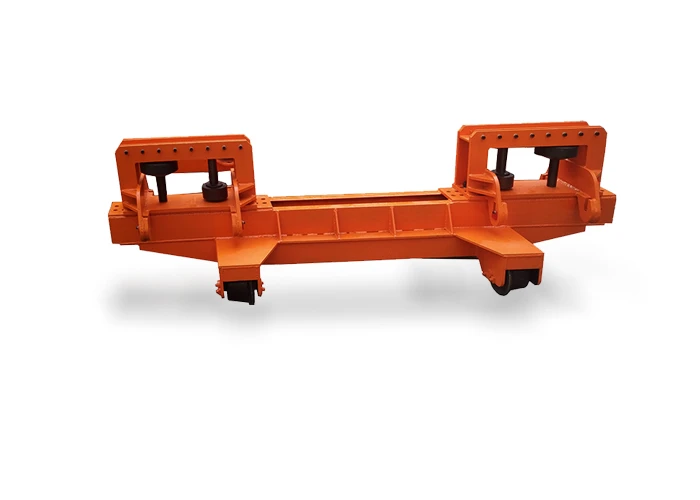
Now, I want to introduce you to some of the awesome railway cars we offer. First up, we have the Battery Rail Trolley. This bad boy is powered by a battery, which means zero emissions during operation. It's perfect for short - distance tasks on the railway, like inspection and maintenance. The battery technology has come a long way, and these trolleys can now run for extended periods on a single charge.
Then there's the Track Replacement Vehicle. This is a heavy - duty machine designed to replace railway tracks efficiently. It's built to be as energy - efficient as possible, with advanced engine technology and optimized hydraulic systems. By quickly and effectively replacing tracks, it helps to keep the railway network in top condition, reducing the need for more energy - intensive emergency repairs down the line.
We also offer the Railway rail track laying equipment machine train track replacement machines track renewal machine. This state - of - the - art equipment is essential for large - scale track renewal projects. It's designed to minimize waste and maximize efficiency during the track - laying process. With precise control systems, it can place tracks accurately, reducing the chances of rework and saving resources.
Of course, like any form of transportation, railway cars aren't perfect from an environmental perspective. There are still some challenges. For example, the production of the materials used in railway cars, especially metals like steel, can be energy - intensive. And the disposal of old railway cars at the end of their lifespan needs to be managed properly to prevent environmental pollution.
But overall, the benefits far outweigh the drawbacks. The railway industry is constantly evolving, and new technologies are being developed all the time to make railway cars even more environmentally friendly. For instance, research is being done on using alternative fuels like hydrogen for trains, which could potentially eliminate emissions completely.
If you're in the market for railway cars, whether it's for freight or passenger transportation, or for railway maintenance and construction, we're here to help. We've got a wide range of high - quality, environmentally - friendly railway cars that can meet your needs. And if you have any questions about our products or their environmental impact, don't hesitate to reach out. We're happy to have a chat and help you make an informed decision.
So, are railway cars environmentally friendly? The answer is a resounding yes. They offer a more sustainable way to move people and goods compared to many other forms of transportation. And with the continuous development of new technologies, their environmental performance is only going to get better.
If you're interested in learning more about our railway cars or want to start a purchase negotiation, just drop us a line. We're looking forward to working with you and helping you contribute to a greener future.
References
Association of American Railroads. (n.d.). Freight Rail Fuel Efficiency. Retrieved from the official website of the Association of American Railroads.