




Are there any environmental impacts of using a track tamper?
 Aug 26, 2025|
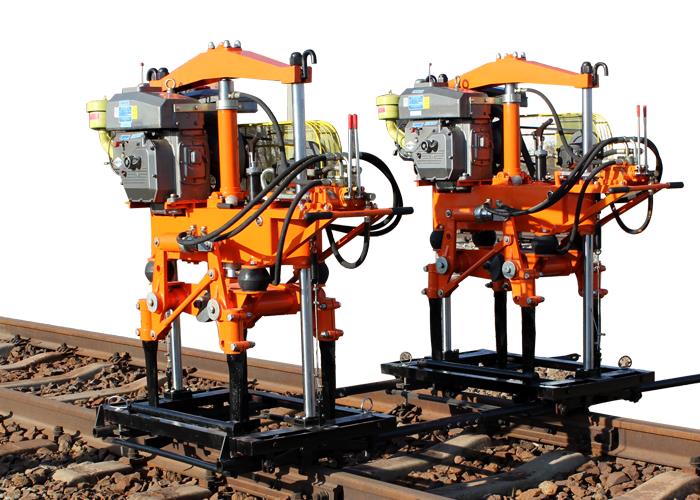
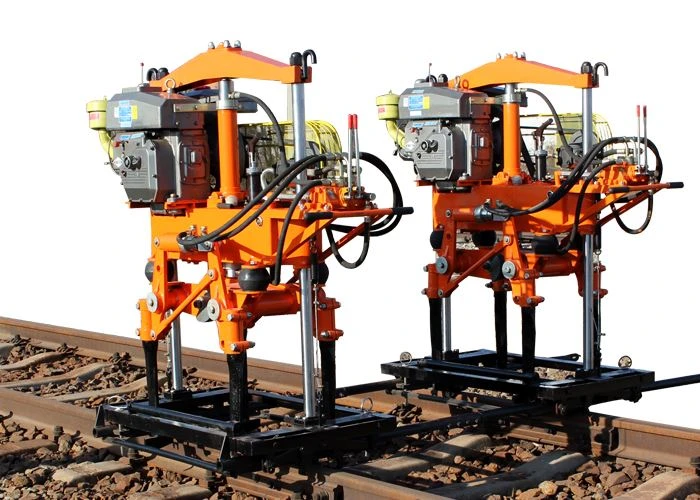
 As a track tamper supplier, I often encounter questions from clients regarding the environmental impacts of using these machines. Track tampers are essential equipment in railway maintenance, ensuring the stability and safety of railway tracks. However, like any industrial machinery, they can have certain environmental implications. In this blog post, I will delve into the various environmental aspects associated with the use of track tampers.
Energy Consumption
One of the primary environmental impacts of track tampers is their energy consumption. Most track tampers are powered by diesel engines, which burn fossil fuels to generate the necessary power for operation. Diesel engines are known for their relatively high fuel consumption, which contributes to the emission of greenhouse gases such as carbon dioxide (CO2), methane (CH4), and nitrous oxide (N2O). These gases are major contributors to global warming and climate change.
The amount of energy consumed by a track tamper depends on several factors, including its size, power output, and the nature of the tamping operation. Larger and more powerful track tampers generally consume more fuel than smaller ones. Additionally, the frequency and duration of use also play a significant role in determining the overall energy consumption. For example, a track tamper that is used continuously for long periods will consume more fuel than one that is used intermittently.
To mitigate the environmental impact of energy consumption, some track tamper manufacturers are exploring alternative power sources. Electric track tampers, for instance, offer a more environmentally friendly option as they produce zero emissions at the point of use. These machines are powered by electricity, which can be generated from renewable sources such as solar, wind, or hydroelectric power. By using electric track tampers, railway operators can significantly reduce their carbon footprint and contribute to a more sustainable future.
Air Pollution
In addition to greenhouse gas emissions, the use of diesel-powered track tampers also contributes to air pollution. Diesel engines emit a variety of pollutants, including particulate matter (PM), nitrogen oxides (NOx), and sulfur dioxide (SO2). These pollutants can have detrimental effects on human health and the environment.
Particulate matter consists of tiny particles of solid or liquid matter that are suspended in the air. When inhaled, these particles can penetrate deep into the lungs and cause respiratory problems, such as asthma, bronchitis, and lung cancer. Nitrogen oxides are a group of highly reactive gases that can react with other pollutants in the atmosphere to form smog and acid rain. Sulfur dioxide is a colorless gas with a pungent odor that can cause irritation to the eyes, nose, and throat.
To reduce air pollution from track tampers, manufacturers are implementing various technologies to improve the efficiency of diesel engines and reduce emissions. For example, some track tampers are equipped with diesel particulate filters (DPFs) that trap and remove particulate matter from the exhaust gases. Selective catalytic reduction (SCR) systems are also being used to reduce nitrogen oxide emissions by converting them into harmless nitrogen and water.
Noise Pollution
Track tampers are also known to generate significant noise levels during operation. The pounding and vibrating action of the tamping tools can produce loud noises that can be disturbing to nearby residents and wildlife. Prolonged exposure to high noise levels can cause hearing loss, stress, and other health problems.
To minimize noise pollution, track tamper manufacturers are designing machines with noise-reducing features. For example, some track tampers are equipped with soundproof enclosures that reduce the noise emitted by the engine and other components. Additionally, the use of rubber mounts and vibration dampers can help to reduce the transmission of vibrations and noise to the surrounding environment.
Waste Generation
Another environmental impact of using track tampers is the generation of waste. During the tamping process, track ballast and other materials may be displaced or damaged, resulting in the generation of waste. This waste can include broken stones, dirt, and other debris.
To manage waste generation, railway operators should implement proper waste management practices. This may include collecting and recycling the waste materials whenever possible. For example, broken stones can be crushed and reused as ballast, while dirt and other debris can be used for landscaping or other purposes.
Positive Environmental Impacts
While track tampers do have some environmental impacts, they also offer several positive environmental benefits. By ensuring the stability and safety of railway tracks, track tampers help to prevent train derailments and other accidents, which can have significant environmental consequences. A train derailment can result in the spillage of hazardous materials, such as oil, chemicals, and radioactive substances, which can contaminate the soil, water, and air.
In addition, the use of track tampers can help to improve the efficiency of railway operations. By maintaining the proper alignment and level of the tracks, trains can operate more smoothly and efficiently, reducing fuel consumption and emissions. This can contribute to a more sustainable transportation system and help to reduce the overall environmental impact of the railway industry.
Conclusion
In conclusion, the use of track tampers does have some environmental impacts, including energy consumption, air pollution, noise pollution, and waste generation. However, these impacts can be mitigated through the use of alternative power sources, emission control technologies, noise-reducing features, and proper waste management practices.
As a track tamper supplier, we are committed to providing our customers with high-quality, environmentally friendly track tampers. We offer a range of products, including Diesel Hydraulic Rail Tamping Machine, Internal Combustion Slope Protection Shaping Machine, and YD-22 Hydraulic Rail Tamping Machine, that are designed to minimize their environmental impact while providing reliable and efficient performance.
If you are interested in learning more about our track tamper products or have any questions regarding their environmental impact, please feel free to contact us. We would be happy to discuss your specific needs and provide you with the information and support you need to make an informed decision.
References
- International Union of Railways (UIC). (2020). Environmental Performance of Railways.
- United States Environmental Protection Agency (EPA). (2021). Diesel Emissions and Air Quality.
- World Health Organization (WHO). (2021). Guidelines for Noise in Residential Areas.