




Can a railroad tamper be used in areas with high seismic activity?
 May 21, 2025|
 As a supplier of railroad tampers, I've been frequently asked whether our machines can be used in areas with high seismic activity. This is a crucial question, especially considering the unique challenges and safety requirements in such regions. In this blog, I'll delve into the feasibility of using railroad tampers in seismically active areas, exploring the technical aspects, safety considerations, and real - world applications.
Technical Capabilities of Railroad Tampers
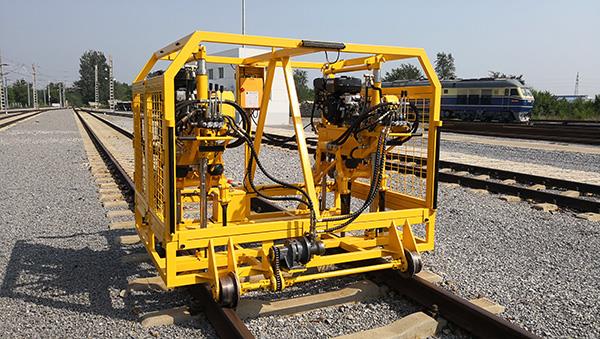
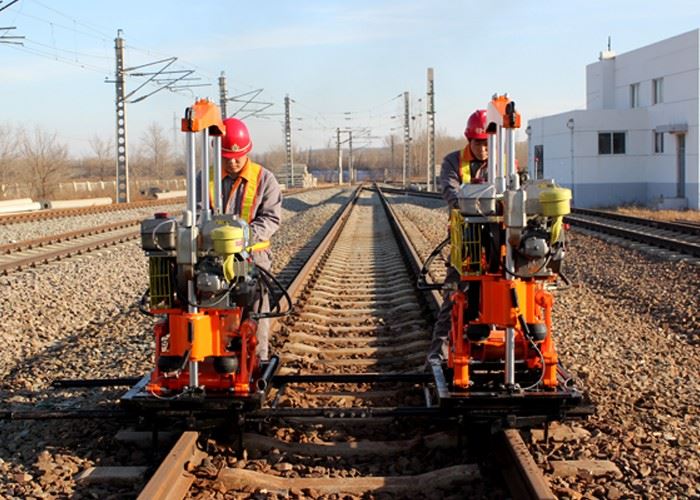
Railroad tampers are designed to compact the ballast beneath the railroad tracks, ensuring proper alignment, stability, and load - bearing capacity. Our Railroad Tamper is equipped with advanced hydraulic systems and precision control mechanisms. The hydraulic system provides the necessary force to drive the tamping tools into the ballast, while the control system allows for accurate adjustment of the tamping depth and force.
In high - seismic areas, the key technical requirement for a railroad tamper is its ability to adapt to the dynamic changes in the ground conditions. Our tamper models, such as the Hydraulic Ballast Tamping Machine YD - 22 For Railway and the YD - 22Ⅲ Intelligent Rail Tamping Machine Unit, are built with robust structures and shock - absorbing components. These features enable the machines to withstand the vibrations and shocks caused by seismic activities.
The YD - 22 series, in particular, uses intelligent control algorithms. These algorithms can sense the ground conditions in real - time and adjust the tamping parameters accordingly. For example, if the ground becomes softer due to seismic - induced soil liquefaction, the machine can increase the tamping force to ensure sufficient compaction. This adaptability is essential for maintaining the integrity of the railroad tracks in seismically active regions.
Safety Considerations
Safety is of utmost importance when operating railroad tampers in high - seismic areas. Before any operation, a comprehensive seismic risk assessment should be conducted. This assessment includes evaluating the historical seismic activity in the area, the soil type, and the proximity to fault lines.
Our railroad tampers are equipped with multiple safety features. The machines have emergency stop buttons that can be activated in case of an earthquake or other emergencies. Additionally, the hydraulic systems are designed with pressure - relief valves to prevent over - pressurization during sudden shocks.
The operators of the tampers also need to be well - trained in seismic safety procedures. They should be aware of the signs of an impending earthquake, such as ground tremors or unusual animal behavior. In the event of an earthquake, the operators should immediately stop the machine and move to a safe location.
Real - World Applications
There are several real - world examples of railroad tampers being used in high - seismic areas. In some countries located along the Pacific Ring of Fire, where seismic activity is common, railroad companies have successfully used our tampers to maintain their railway networks.
These companies have reported that the intelligent features of our tampers have been particularly beneficial. The ability to adjust the tamping parameters based on the ground conditions has helped them to ensure the long - term stability of the tracks. Moreover, the robust construction of the machines has withstood the test of several seismic events, reducing the need for frequent repairs and replacements.
Challenges and Limitations
Despite the technical capabilities and safety features, there are still some challenges and limitations when using railroad tampers in high - seismic areas. One of the main challenges is the soil liquefaction phenomenon. During an earthquake, saturated soil can lose its strength and behave like a liquid. This can cause the railroad tracks to sink or shift, and even the most advanced railroad tamper may have difficulty in restoring the proper alignment and compaction.
Another limitation is the long - term effect of seismic activities on the infrastructure. Frequent earthquakes can cause cumulative damage to the railroad tracks and the ballast. Over time, the effectiveness of the tamping operations may be reduced, and more extensive maintenance and repair work may be required.
Mitigation Strategies
To overcome these challenges, several mitigation strategies can be implemented. For soil liquefaction, pre - treatment of the soil can be carried out. This may involve injecting stabilizing agents into the soil to improve its strength and resistance to liquefaction.
Regular monitoring of the railroad tracks is also essential. Using advanced monitoring technologies such as ground - penetrating radar and strain gauges, the condition of the tracks and the ballast can be continuously evaluated. This allows for timely tamping operations and preventive maintenance.
Conclusion
In conclusion, a railroad tamper can be used in areas with high seismic activity, but it requires careful consideration of technical capabilities, safety measures, and mitigation strategies. Our Railroad Tamper, Hydraulic Ballast Tamping Machine YD - 22 For Railway, and YD - 22Ⅲ Intelligent Rail Tamping Machine Unit are designed to meet the challenges of these demanding environments.
If you are looking for a reliable railroad tamper for your project in a high - seismic area, we are here to assist you. Our team of experts can provide you with detailed technical information, safety guidelines, and customized solutions. We invite you to contact us for further discussions and procurement negotiations.
References
- Engineering Guidelines for Seismic Resistant Railway Structures.
- Technical Manuals of Our Railroad Tampers.