




Can rail brake shoes be recycled?
 Jul 18, 2025|
 Hey there! I'm a supplier of rail brake shoes, and today I want to have a chat about a question that's been on my mind and probably yours too: Can rail brake shoes be recycled?
First off, let's understand what rail brake shoes are. They're a crucial part of the railway system. When a train needs to slow down or stop, these brake shoes press against the wheels, creating friction and bringing the train to a halt. They're usually made from a mix of materials like cast iron, composite materials, or a combination of different metals and non - metals.
Now, the big question of recycling. The short answer is yes, rail brake shoes can be recycled, but it's not as straightforward as you might think.
Let's start with cast iron brake shoes. Cast iron is a well - known recyclable material. In the recycling process, the old brake shoes are collected and taken to a recycling facility. There, they're melted down in a furnace at extremely high temperatures. Once melted, impurities are removed, and the pure iron can be used to make new products. This is a great example of the circular economy in action. The iron that was used in the brake shoes can be transformed into new brake shoes or other iron - based products.
But it's not all sunshine and rainbows. The recycling of cast iron brake shoes has some challenges. One major issue is the presence of contaminants. Over time, brake shoes are exposed to all sorts of things on the railway tracks, like dirt, grease, and even small amounts of other metals. These contaminants need to be removed before the iron can be effectively recycled. If not removed properly, they can affect the quality of the recycled iron.
Composite brake shoes are a bit more complicated. These brake shoes are made up of a combination of different materials, like ceramics, polymers, and fibers. Recycling composites is a relatively new area of research, and there are still a lot of technical hurdles to overcome. For example, separating the different components of the composite is a difficult task. Each material has different melting points and chemical properties, making it hard to break them down and reuse them.
However, there's a lot of potential in recycling composite brake shoes. If we can figure out how to recycle them effectively, it could save a huge amount of resources. Composites are often used because they offer better performance than traditional materials, but they're also more expensive to produce. Recycling them would reduce the need for new raw materials and cut down on production costs.
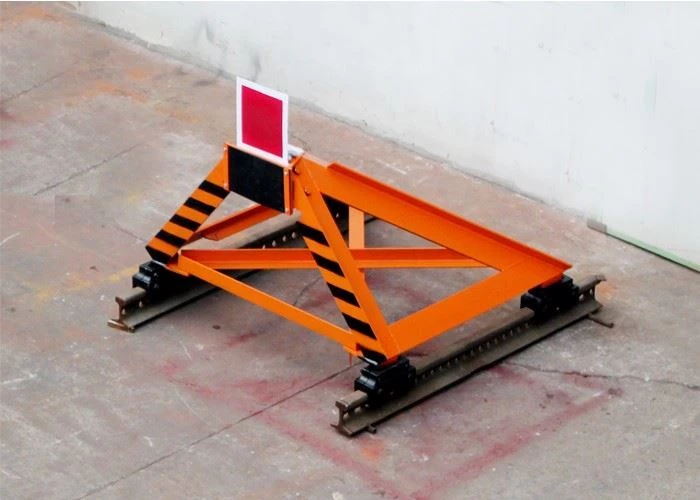
Now, let me tell you a bit about some other railway tools that we offer. We have the CHD - 20 Buffer Stop. This is an essential safety device on the railway. It's designed to prevent trains from going off the end of the tracks. It can absorb the impact energy of a train that accidentally runs into it, protecting both the train and the infrastructure.
Another great product is the GWJ Type Rail Joint Holeless Clamping Device. This device is used to connect two sections of rail without the need for drilling holes. It provides a strong and stable connection, which is important for the smooth running of trains. It also reduces the maintenance requirements of the rail joints, saving time and money in the long run.
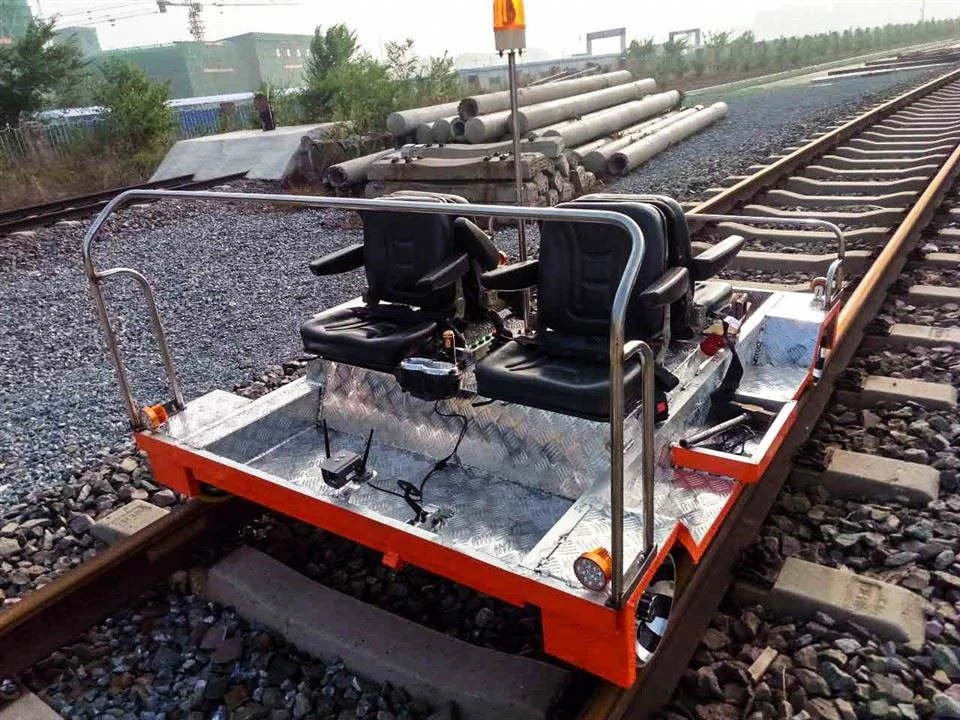
And if you're into railway inspection, we have the Light Weight Lithium Battery Rail Inspection Trolley. This trolley is easy to operate and can cover long distances on the tracks. It's powered by a lithium battery, which means it's environmentally friendly and has a long - lasting charge. It's a great tool for railway maintenance teams to quickly and efficiently inspect the tracks for any signs of damage or wear.
So, why is recycling rail brake shoes important? From an environmental perspective, it reduces the demand for new raw materials. Mining and processing these raw materials can have a significant impact on the environment, including deforestation, water pollution, and habitat destruction. By recycling brake shoes, we can minimize this impact and move towards a more sustainable future.
Economically, recycling can also be beneficial. As I mentioned earlier, it can reduce production costs, especially for composite brake shoes. Recycling also creates jobs in the recycling and waste management industries. From collection and sorting to processing and manufacturing new products, there are many steps involved in the recycling process that require a workforce.
If you're in the railway industry and are interested in our rail brake shoes or any of our other products, I encourage you to reach out for a purchase and negotiation. We're always happy to talk about how our products can meet your needs and how we can work together to make the railway industry more sustainable.
In conclusion, while there are challenges in recycling rail brake shoes, both cast iron and composite, the potential benefits are significant. With continued research and development, I'm confident that we'll find better ways to recycle these important railway components. And who knows, maybe one day, every rail brake shoe on the tracks will be made from recycled materials.
References
- "Recycling of Metals in the Transportation Industry" - Journal of Sustainable Manufacturing
- "Composite Materials Recycling: Current Status and Future Trends" - International Journal of Recycling of Materials