




Can weld shears cut through cast - iron welds?
 Jan 13, 2026|
 Hey there! As a supplier of weld shears, I often get asked a bunch of questions about what our products can and can't do. One question that pops up quite a bit is, "Can weld shears cut through cast - iron welds?" Let's dig into this topic and find out.
First off, let's talk a bit about cast - iron welds. Cast iron is known for its high carbon content, which gives it some unique properties. Welding cast iron can be a tricky business because of its brittleness and the way it responds to heat. When you create a cast - iron weld, you're essentially fusing two pieces of this tough material together. The resulting weld has its own set of characteristics, like hardness and strength, that can make it a challenge to cut through.
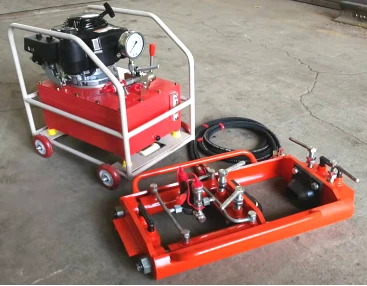
Now, let's turn our attention to weld shears. Weld shears are designed to cut through various types of welds and materials. They work by applying a large amount of force to a small area, which helps to break the bond between the welded parts. Our weld shears are built with high - quality materials and advanced technology to ensure maximum cutting power and durability.
So, can they cut through cast - iron welds? Well, it depends on a few factors. The thickness of the cast - iron weld is a major factor. Thicker welds are generally harder to cut through because there's more material to break through. If the cast - iron weld is relatively thin, say up to a few millimeters, our weld shears should be able to handle it. However, if the weld is very thick, it might be a tougher job.
The type of cast - iron also matters. There are different types of cast iron, such as gray cast iron, white cast iron, and ductile cast iron. Gray cast iron is relatively softer and more machinable, so our weld shears may have an easier time cutting through welds made from it. On the other hand, white cast iron is extremely hard and brittle, which can make it more difficult to cut. Ductile cast iron falls somewhere in between, with better ductility than white cast iron but still a fair amount of hardness.
Another factor is the condition of the weld. If the cast - iron weld has been properly pre - heated and post - welded treated, it may be more uniform in structure and easier to cut. However, if there are cracks, porosity, or other defects in the weld, it can affect the cutting process. Cracks can cause the weld to break unevenly, while porosity can reduce the overall strength of the weld but also make it more difficult to get a clean cut.
Let me give you an example from one of our customers. They were working on a project where they needed to cut through some cast - iron welds on an old machine part. The welds were about 3 millimeters thick and made from gray cast iron. They used our weld shears, and with a bit of effort, they were able to get a clean cut. However, they did notice that they had to apply a bit more force than they would when cutting through mild steel welds.
We also have some of our other products that can be useful in similar situations. For instance, the HWS-II Best Selling Hydraulic Rail Shearing Machine is a powerful machine that can handle tough cutting jobs. It's designed for cutting rails, but it can also be used for other thick - walled materials and welds. If you're dealing with very thick cast - iron welds or large - scale projects, this machine might be a great option.
The After Aluminium Heat Welding Hydraulic Rail Shearing Machine is another product in our lineup. It's specifically designed for use after aluminium heat welding, but it can also be adjusted to handle different types of materials, including cast - iron welds in some cases. This machine offers precise cutting and is built to last.
If you need a more portable solution, our Portable Gas Pressure Rail Welding Machine could be the answer. It's easy to move around and can be used in various locations. While it's mainly a welding machine, it can also be used in conjunction with our weld shears for cutting and shaping jobs.
In conclusion, our weld shears have the potential to cut through cast - iron welds, but it's not a one - size - fits - all situation. You need to consider the thickness of the weld, the type of cast - iron, and the condition of the weld. If you're unsure whether our weld shears or other products are suitable for your specific project, don't hesitate to reach out to us. We have a team of experts who can provide you with more detailed advice and guidance.
Whether you're a small - scale DIY enthusiast or a large - scale industrial contractor, we're here to help you find the right cutting solution. If you're interested in purchasing our weld shears or any of our other products, we'd love to have a chat with you. Contact us to start a discussion about your requirements, and we'll work together to find the best fit for your needs.

References
- "Welding of Cast Iron" - ASM International Handbook Committee
- "Cutting Technologies for Metals" - Industrial Metalworking Magazine