




What are the disadvantages of using a rail tamper?
 Jan 14, 2026|
 So, you're probably thinking, "Hey, I'm in the business of selling rail tampers, and I should be all about the benefits. Why on earth would I talk about the disadvantages?" Well, here's the thing. Being honest with you guys is super important. Knowing the drawbacks helps you make a more informed decision, and trust me, a well - informed customer is a happy customer.
Let's kick things off with the cost. Rail tampers, whether they're the SND 23 Super Two Stroke Impact Rail Tamper or Railroad Tamper For Sale, can be pretty pricey. The initial investment is no joke. You're looking at shelling out a significant amount of money to get your hands on a quality rail tamper. And it's not just the purchase price. There are maintenance costs too. Parts might break, and getting replacement parts and having them installed can add up over time. It's like having a fancy car; you love it, but it's gonna cost you to keep it running smoothly.
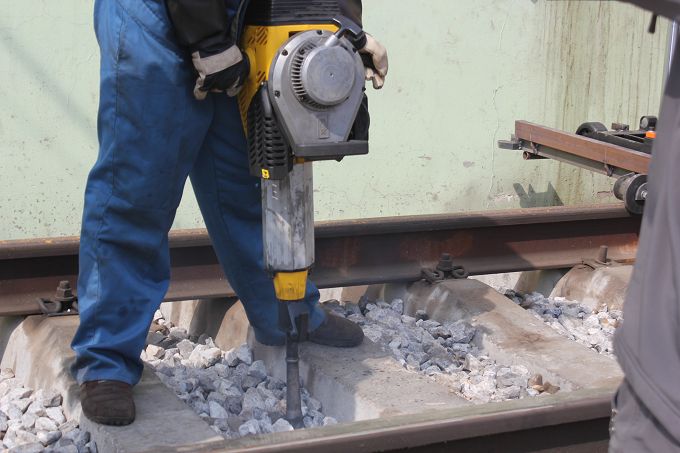
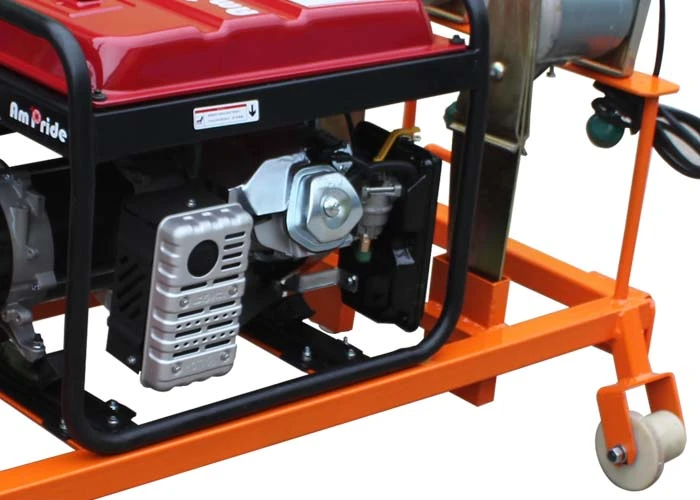
Another downside is the size and weight. Rail tampers are often large and heavy machines. This can make them a real pain to transport. You can't just toss one in the back of a regular truck and head out. You might need special trailers or even a flatbed truck. And once you're at the job site, maneuvering them around can be a hassle. If you're working in a tight space, like a small rail yard or a section of track with lots of obstacles, it can be really difficult to position the tamper where you need it. It's like trying to park an SUV in a compact car spot – it just doesn't fit easily.
Noise is a biggie. Rail tampers are loud. I mean, really loud. When they're operating, they can create a racket that's not only annoying but can also be a health hazard. Prolonged exposure to the high - decibel noise can lead to hearing loss. Workers need to wear proper hearing protection, which is an additional cost and a hassle. And if you're working in an area close to residential neighborhoods, the noise can cause a lot of complaints. You don't want to be the guy who's keeping the whole neighborhood up at night because of the noisy rail tamper.
Vibration is also a problem. These machines generate a ton of vibration when they're working. That can be tough on the operators. Continuous exposure to the vibration can cause issues like hand - arm vibration syndrome, which can lead to numbness, tingling, and even loss of grip strength. It's not just bad for the workers; the vibration can also affect the surrounding infrastructure. It might cause small cracks or damage to nearby buildings, roads, or other structures.
Now, let's talk about the complexity of operation. Rail tampers, especially the advanced models like the D - 3*4 Electrical Rail Tamping Machine, have a lot of features and controls. It takes time and training for an operator to learn how to use them properly. If an operator isn't trained well, they might not get the best results. They could end up not tamping the track evenly, which can lead to problems down the line, like uneven wear on the rails or trains having a rougher ride.
Fuel consumption is another drawback, especially for the internal combustion - powered rail tampers. These machines guzzle fuel like there's no tomorrow. With fuel prices constantly going up, the cost of running the tamper can become really high. It's not just bad for your wallet; it's also bad for the environment. The emissions from the internal combustion engines contribute to air pollution.
Maintenance requirements are pretty high. Rail tampers are complex machines with a lot of moving parts. Regular maintenance is crucial to keep them in good working condition. This includes things like lubricating the parts, checking the hydraulic systems (if it's a hydraulic tamper), and making sure the electrical components (for electrical tampers) are all functioning properly. If you skip maintenance, the machine is likely to break down more often, which means downtime and lost productivity.
Weather can also play a role. In extreme cold, the hydraulic fluids in hydraulic rail tampers can thicken, which can affect the machine's performance. In hot weather, the engine might overheat, especially if it's an internal combustion engine. And in wet conditions, the electrical components of electrical rail tampers could be at risk of short - circuiting. So, you have to be really careful about using the tamper in different weather conditions.
Despite all these disadvantages, rail tampers are still essential for maintaining the quality of railway tracks. They help keep the tracks stable and safe for trains to run on. At the end of the day, the benefits often outweigh the drawbacks. And we're here to help you deal with those disadvantages. We offer training programs for your operators to make sure they can use the machines effectively. We also have a great support team that can help you with maintenance and getting replacement parts quickly.
If you're in the market for a rail tamper and want to learn more about how we can minimize these disadvantages for you, don't hesitate to reach out. We're always happy to have a chat and help you find the right solution for your needs. Let's talk about how we can get you the best rail tamper for your project and make the whole experience as smooth as possible.
References
- General knowledge on railway maintenance equipment
- Industry experience and observations in the rail tamper business