




How are railway cars powered?
 Aug 29, 2025|
 Hey there! As a supplier of railway cars, I often get asked about how these nifty vehicles are powered. It's a super interesting topic, and I'm stoked to share all the details with you.
1. Steam Power: The Old - Timer
Back in the day, steam power was the go - to for railway cars. It's like the granddaddy of all railway car power sources. Steam engines work by heating water in a boiler until it turns into steam. This high - pressure steam then moves pistons, which in turn drive the wheels of the railway car.
The process starts with a firebox where coal, wood, or oil is burned. The heat from the fire is used to heat the water in the boiler. Once the steam is generated, it's directed into cylinders where it pushes the pistons back and forth. The movement of the pistons is transferred to the wheels through a series of rods and gears.
Steam - powered railway cars were incredibly important in the development of transportation. They allowed for the rapid movement of people and goods over long distances. However, they also had their drawbacks. They were slow to start up, required a lot of water and fuel, and produced a ton of smoke and pollution.
2. Diesel Power: The Workhorse
Diesel power came along as a more efficient alternative to steam. Diesel engines are internal combustion engines, which means they burn fuel inside the engine to create power.
In a diesel - powered railway car, the diesel engine drives an electric generator. The generator produces electricity, which is then used to power electric motors that turn the wheels. This setup is called a diesel - electric locomotive.
One of the big advantages of diesel power is its efficiency. Diesel fuel contains a lot of energy, so diesel engines can produce a lot of power with relatively little fuel. They're also more reliable than steam engines. You don't have to worry about constantly stoking a fire or finding a water source. Diesel - powered railway cars can operate for long periods without a lot of maintenance.
Diesel locomotives are used all over the world for freight and passenger transport. They're great for hauling heavy loads over long distances. And let's face it, there's something pretty cool about the deep, rumbling sound of a diesel engine.
3. Electric Power: The Future?
Electric power is becoming more and more popular for railway cars. There are two main ways to power an electric railway car: overhead lines and third rails.
Overhead Lines
With overhead lines, a pantograph on top of the railway car makes contact with a wire that hangs above the tracks. The wire carries high - voltage electricity, which is then fed into the car's electric motors. This setup is commonly used in urban transit systems, like subways and light rail.
Overhead lines have a few advantages. They're relatively easy to install and maintain. And since the power source is external, the railway car doesn't need to carry its own fuel. This means less weight and more space for passengers or cargo.
Third Rails
A third rail is a separate rail alongside the regular tracks that carries electricity. The railway car has a shoe or a collector that makes contact with the third rail to pick up the electricity. Third rails are often used in commuter rail systems.
Electric - powered railway cars are extremely efficient. They produce zero emissions at the point of use, which is great for the environment. They're also very quiet, which is a big plus in urban areas.
4. Battery Power: The Up - and - Comer
Battery - powered railway cars are starting to make their mark. These cars use large batteries to store electricity, which is then used to power the electric motors.
Battery power has a lot of potential. It offers the flexibility of not being tied to overhead lines or third rails. This means that battery - powered railway cars can operate on non - electrified tracks. They're also great for short - distance trips, like in industrial yards or on tourist railways.
However, there are still some challenges with battery power. The batteries need to be recharged regularly, and the charging infrastructure can be expensive to set up. Also, the range of battery - powered railway cars is currently limited compared to diesel or electric - powered ones.
5. Hybrid Power: The Best of Both Worlds
Hybrid railway cars combine two or more power sources. For example, a diesel - electric hybrid might use a diesel engine to charge the batteries, which then power the electric motors.

Hybrid power offers the advantages of both power sources. It can provide the long - range capabilities of a diesel engine while also being more efficient and environmentally friendly. Hybrid railway cars are still relatively new, but they're definitely an area to watch in the future.
Our Railway Car Offerings
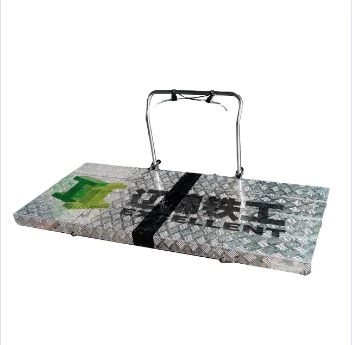
As a railway car supplier, we offer a wide range of products. Check out our Single - Person Inspection Trolley. It's a great tool for quickly inspecting tracks. We also have the Railway Lightweight 500kg Capacity Foldable Manual Trolley insulated aluminum alloy, which is perfect for light - duty tasks on the rails. And if you're looking for something simple and reliable, our 500kg insulated alloy Rail Trolley By Manual is a great option.
Conclusion
So, there you have it! The different ways railway cars are powered. Each power source has its own advantages and disadvantages, and the choice of power depends on a variety of factors, like the type of service, the distance to be traveled, and environmental considerations.
If you're in the market for railway cars, whether it's for industrial use, transportation, or inspection, we'd love to chat with you. We can help you choose the right power source and the right car for your needs. Just reach out, and let's start the conversation about your railway car requirements.
References
- American Public Transportation Association. (2023). "Powering the Future of Rail".
- International Union of Railways. (2022). "Railway Power Technologies".
- Railway Age Magazine. Various issues on railway power systems.