




How do I apply a Rust Remover?
 Oct 02, 2025|
 Applying a rust remover effectively is crucial for maintaining the integrity and longevity of metal surfaces. As a supplier of high - quality rust removers, I understand the importance of providing clear guidance on how to use our products. In this blog, I'll share a step - by - step process on how to apply a rust remover, along with some useful tips and considerations.
Step 1: Preparation
Before you start applying the rust remover, proper preparation is essential. First, identify the type of metal surface you'll be treating. Different metals may react differently to rust removers, and some rust removers are formulated specifically for certain metals. For example, if you're dealing with a delicate alloy, you need to choose a gentle rust remover that won't damage the metal.
Next, gather all the necessary tools. You'll typically need protective gear such as gloves, safety goggles, and a respirator, especially if the rust remover is a chemical - based product with strong fumes. Other tools may include a wire brush, sandpaper, and a clean cloth for wiping.
Inspect the rusted area carefully. Determine the extent of the rust. If there are large chunks of loose rust, use a wire brush to remove them. This will make the rust remover work more effectively as it can penetrate the remaining rust better. You can also use sandpaper to smooth out any rough edges or to further remove surface rust.
Step 2: Choosing the Right Rust Remover
As a rust remover supplier, we offer a variety of rust removers to meet different needs. Some are chemical - based, which are great for quickly dissolving rust. They work by reacting with the iron oxide (rust) and breaking it down into a soluble form that can be easily washed away. These chemical rust removers are often very powerful and can save you a lot of time and effort.
On the other hand, we also have natural or eco - friendly rust removers. These are made from ingredients like vinegar, lemon juice, or other organic compounds. They are a good choice if you're concerned about the environment or if you're dealing with a surface that is sensitive to harsh chemicals.
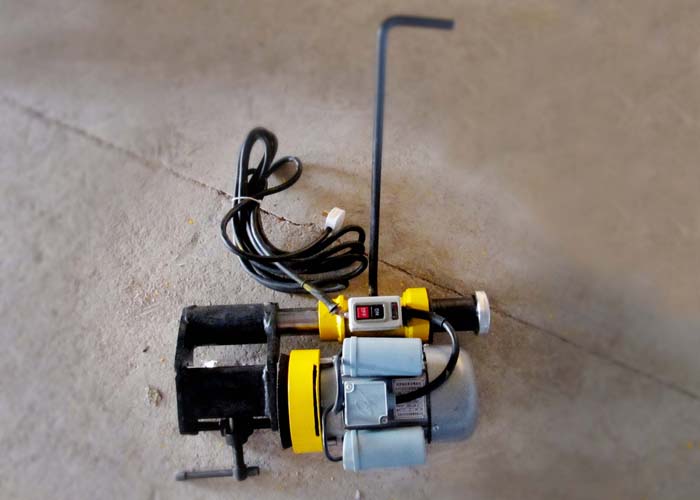
For large - scale industrial applications, we recommend our heavy - duty rust removers. These can handle thick layers of rust on large metal structures. For example, if you're working on railway tracks, our rust removers are designed to be highly effective. Check out our XGM - 2.2×2 Factory Direct Sales Electric Rail Deruster, which is specifically designed for removing rust from railway tracks efficiently.
Step 3: Applying the Rust Remover
Once you've chosen the right rust remover, it's time to apply it. Read the instructions on the product label carefully, as different rust removers may have different application methods.

If it's a liquid rust remover, you can use a spray bottle to apply it evenly over the rusted area. Make sure to cover the entire area with a sufficient amount of the rust remover. For small, hard - to - reach areas, you can use a brush to apply the liquid.
If it's a gel - based rust remover, it's easier to control the application. You can spread the gel directly onto the rusted surface using a putty knife or a similar tool. The gel will stay in place, allowing it to work on the rust for an extended period without dripping off.
After applying the rust remover, let it sit for the recommended time. This can range from a few minutes to several hours, depending on the product and the severity of the rust. During this time, the rust remover will react with the rust and start to dissolve it.
Step 4: Removing the Dissolved Rust
Once the rust remover has had enough time to work, it's time to remove the dissolved rust. If you're using a chemical rust remover, you can usually rinse the area with water. Use a hose or a bucket of water to wash away the rust and the remaining rust remover. Make sure to rinse thoroughly to remove all traces of the product.
For stubborn rust spots, you may need to use a wire brush or a sponge to scrub the area gently. This will help to loosen any remaining rust particles. Be careful not to scratch the metal surface, especially if it's a polished or painted surface.
After rinsing, dry the area completely with a clean cloth. Moisture can cause new rust to form, so it's important to ensure that the surface is dry.
Step 5: Post - Treatment
After removing the rust, it's a good idea to protect the metal surface to prevent future rusting. You can apply a rust - preventive coating, such as paint, primer, or a clear sealant. These coatings create a barrier between the metal and the air, moisture, and other elements that can cause rust.
If you're dealing with a metal surface that is exposed to the elements regularly, like railway tracks, you may need to apply a more heavy - duty protective coating. Our DM - 1.1 Electric Rail Ends Grinding Machine can be used to prepare the surface before applying the protective coating, ensuring better adhesion.
Tips and Considerations
- Ventilation: When using chemical rust removers, make sure the area is well - ventilated. Open windows and doors, or use a fan to blow the fumes out. This will protect you from inhaling harmful chemicals.
- Testing: Before applying the rust remover to a large area, test it on a small, inconspicuous area first. This will help you determine if the rust remover will damage the metal or the existing finish.
- Storage: Store rust removers in a cool, dry place, away from direct sunlight and heat. Follow the storage instructions on the product label to ensure the effectiveness and safety of the product.
- Disposal: Dispose of used rust removers and any waste materials according to local regulations. Chemical rust removers can be hazardous to the environment, so it's important to handle them properly.
Conclusion
Applying a rust remover is a multi - step process that requires careful preparation, the right product selection, and proper application techniques. As a rust remover supplier, we are committed to providing you with high - quality products and the knowledge to use them effectively. Whether you're dealing with a small household item or a large industrial structure, our rust removers can help you get the job done.
If you're interested in our rust removers or our Eelctric Profile Rail Grinding Machine Motor Rail Grinder and other related products, we encourage you to contact us for more information and to discuss your specific needs. We're here to assist you in finding the best solutions for your rust removal and prevention requirements.
References
- "The Chemistry of Rust and Rust Removal", Journal of Materials Science.
- "Best Practices for Rust Prevention and Removal", Industrial Maintenance Magazine.
- Product manuals of our rust removers and related products.