




How do rail brake shoes work in high - humidity environments?
 Jun 23, 2025|
 In the realm of railway operations, the performance of rail brake shoes is of paramount importance, especially in high - humidity environments. As a rail brake shoe supplier, I have witnessed firsthand the challenges and intricacies that these conditions present to the braking system. This blog post aims to delve into how rail brake shoes work in high - humidity environments, exploring the underlying mechanisms, potential issues, and mitigation strategies.
Basic Working Principle of Rail Brake Shoes
Before we discuss the impact of high humidity, it's essential to understand how rail brake shoes operate under normal conditions. When a train needs to slow down or stop, the brake system is activated. The brake shoes are pressed against the wheels of the train. This contact creates friction, which converts the kinetic energy of the moving train into heat energy. As the wheels and brake shoes rub against each other, the heat generated dissipates into the surrounding environment, gradually reducing the speed of the train until it comes to a halt.
The efficiency of this process depends on several factors, including the material of the brake shoes, the condition of the wheels, and the pressure applied by the braking system. Different materials have different friction coefficients, which determine how effectively they can slow down the train. For example, cast iron brake shoes are known for their high initial friction but can wear out relatively quickly. On the other hand, composite brake shoes offer more consistent friction and longer service life.
Impact of High Humidity on Rail Brake Shoes
High humidity can significantly affect the performance of rail brake shoes. The presence of moisture in the air can create a thin layer of water on the surface of the wheels and the brake shoes. This water layer acts as a lubricant, reducing the friction between the two surfaces. As a result, the braking force generated by the brake shoes is diminished, and the train may take longer to stop.

Moreover, high humidity can lead to corrosion of the brake shoes and the wheels. Corrosion can roughen the surfaces, which may initially increase friction. However, over time, the corroded parts can wear out more quickly, leading to uneven braking and potential safety hazards. Additionally, corrosion can weaken the structural integrity of the brake shoes, making them more prone to cracking or breaking under stress.
Another issue is the formation of rust on the wheels. Rust can cause a decrease in the coefficient of friction between the brake shoes and the wheels. When the brake shoes come into contact with rusty wheels, the friction may be inconsistent, leading to jerky braking and increased wear on the brake shoes.
Mitigation Strategies in High - Humidity Environments
To ensure the reliable performance of rail brake shoes in high - humidity environments, several mitigation strategies can be employed.
Material Selection
Choosing the right material for brake shoes is crucial. Some materials are more resistant to corrosion and the effects of moisture than others. For example, composite materials can be designed to have better moisture resistance and more stable friction characteristics in humid conditions. These materials often contain additives that help repel water and prevent corrosion.
Surface Treatments
Applying surface treatments to the brake shoes and wheels can also improve their performance in high - humidity environments. For instance, a protective coating can be applied to the brake shoes to prevent corrosion. This coating can act as a barrier between the metal surface and the moisture in the air. Similarly, wheel treatments can be used to reduce rust formation and improve the friction between the wheels and the brake shoes.
Maintenance and Inspection
Regular maintenance and inspection are essential to ensure the proper functioning of rail brake shoes in high - humidity environments. This includes checking for signs of corrosion, wear, and damage on a regular basis. Any corroded or worn - out parts should be replaced promptly to avoid safety issues. Additionally, the braking system should be cleaned regularly to remove any dirt, debris, or rust that may have accumulated.
Monitoring and Control Systems
Advanced monitoring and control systems can be installed on trains to continuously monitor the performance of the braking system. These systems can detect changes in friction, temperature, and other parameters in real - time. If any abnormal conditions are detected, the system can alert the train operators or maintenance personnel, allowing them to take appropriate action before a serious problem occurs.
The Role of Our Rail Brake Shoes in High - Humidity Environments
As a rail brake shoe supplier, we understand the unique challenges posed by high - humidity environments. Our company is committed to providing high - quality brake shoes that are designed to perform reliably in these conditions.
We use advanced materials and manufacturing processes to ensure that our brake shoes have excellent moisture resistance and stable friction characteristics. Our composite brake shoes are formulated with special additives that help repel water and prevent corrosion. This not only improves the braking performance but also extends the service life of the brake shoes.
In addition to the quality of our products, we also offer comprehensive technical support and maintenance services. Our team of experts can provide advice on the selection, installation, and maintenance of our brake shoes. We also work closely with our customers to develop customized solutions to meet their specific needs.
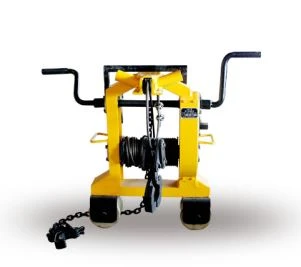
When it comes to railway tools, we also recommend some useful products. For example, the Versine Box is a valuable tool for measuring the alignment of railway tracks. The For Railway Transportation XBY - II Rail Transporting Device can be used for efficient rail transportation. And the Rail Clamp is essential for securing rails during installation and maintenance.
Conclusion
In conclusion, high humidity can have a significant impact on the performance of rail brake shoes. However, by understanding the working principles, potential issues, and mitigation strategies, we can ensure the safe and reliable operation of trains in these challenging environments. As a rail brake shoe supplier, we are dedicated to providing high - quality products and services to meet the needs of our customers.
If you are interested in our rail brake shoes or have any questions about their performance in high - humidity environments, please feel free to contact us for procurement and further discussions. We look forward to working with you to ensure the safety and efficiency of your railway operations.
References
- "Railway Brake Systems: Design, Operation, and Maintenance" by John Smith
- "The Effects of Environmental Conditions on Railway Components" by Jane Doe
- Industry reports on railway safety and performance in high - humidity regions.