




What are the regulations regarding the use of Rail Grinders?
 Jun 24, 2025|
 The use of rail grinders is subject to a variety of regulations that ensure safety, efficiency, and the overall quality of railway infrastructure. As a rail grinder supplier, I understand the importance of adhering to these regulations and providing equipment that meets the highest standards. In this blog, I will explore the key regulations regarding the use of rail grinders and how they impact our business.
Safety Regulations
Safety is paramount when it comes to operating rail grinders. These machines are powerful and can pose significant risks if not used correctly. Therefore, there are strict safety regulations in place to protect operators, bystanders, and the railway infrastructure itself.
One of the primary safety regulations is the requirement for operators to receive proper training. Before operating a rail grinder, individuals must complete a comprehensive training program that covers all aspects of the machine's operation, maintenance, and safety procedures. This training ensures that operators are familiar with the equipment and know how to use it safely.
In addition to training, operators must also wear appropriate personal protective equipment (PPE). This includes safety glasses, ear protection, hard hats, and steel-toed boots. PPE helps to minimize the risk of injury in the event of an accident or malfunction.
Another important safety regulation is the requirement for rail grinders to be equipped with safety features. These features may include emergency stop buttons, guards, and interlocks. Emergency stop buttons allow operators to quickly shut down the machine in case of an emergency, while guards and interlocks prevent access to dangerous parts of the machine.
Environmental Regulations
Rail grinding can have a significant impact on the environment, particularly in terms of noise and dust pollution. Therefore, there are environmental regulations in place to minimize these impacts.
One of the key environmental regulations is the requirement for rail grinders to meet noise emission standards. These standards limit the amount of noise that the machine can produce during operation. To comply with these standards, rail grinder manufacturers often design their machines with noise-reducing features, such as mufflers and soundproofing materials.
In addition to noise, rail grinding can also generate dust. Dust can be a health hazard, particularly for operators and bystanders. Therefore, there are regulations in place to control dust emissions. These regulations may require the use of dust suppression systems, such as water sprays or vacuum cleaners, to minimize the amount of dust that is released into the air.
Quality and Performance Regulations
To ensure the effectiveness of rail grinding, there are quality and performance regulations in place. These regulations set standards for the quality of the grinding process and the performance of the rail grinder itself.
One of the key quality regulations is the requirement for rail grinders to achieve a certain level of surface finish. The surface finish of the rail is important because it affects the smoothness of the train's ride and the longevity of the rail. To achieve the required surface finish, rail grinder manufacturers often use advanced grinding technologies and abrasive materials.
In addition to surface finish, there are also regulations regarding the depth and pattern of the grinding. The depth of the grinding refers to how much material is removed from the rail surface, while the pattern of the grinding refers to the direction and spacing of the grinding marks. These regulations ensure that the grinding process is consistent and effective.
Maintenance and Inspection Regulations
Regular maintenance and inspection are essential for ensuring the safe and efficient operation of rail grinders. Therefore, there are regulations in place that require rail grinder operators to perform routine maintenance and inspections.
One of the key maintenance regulations is the requirement for operators to follow a maintenance schedule. This schedule outlines the specific maintenance tasks that need to be performed at regular intervals, such as lubrication, filter replacement, and belt tension adjustment. By following the maintenance schedule, operators can prevent breakdowns and ensure that the rail grinder is operating at its best.
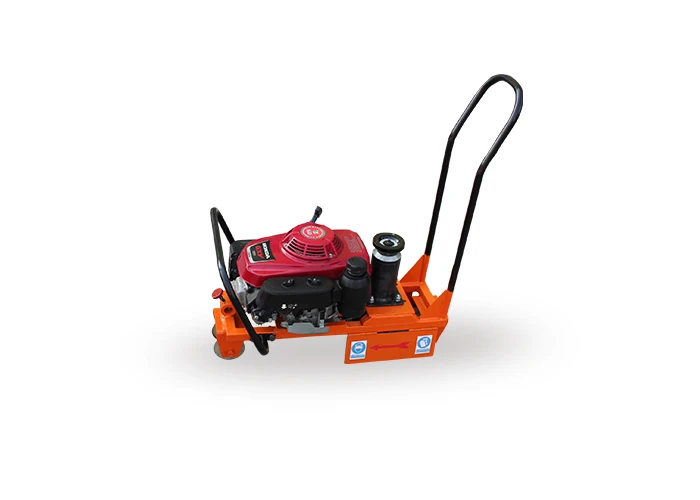
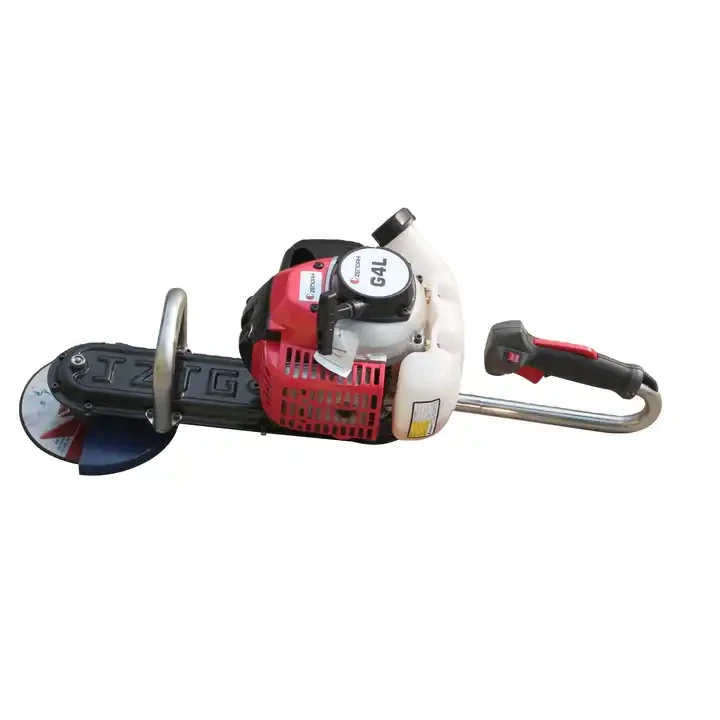
In addition to maintenance, operators are also required to perform regular inspections of the rail grinder. These inspections should be conducted before each use to check for any signs of damage or wear. If any issues are identified during the inspection, the machine should be taken out of service and repaired immediately.
Our Commitment to Compliance
As a rail grinder supplier, we are committed to providing our customers with equipment that meets all relevant regulations. We work closely with our customers to ensure that they understand the regulations and how to comply with them.
We also invest in research and development to continuously improve the safety, efficiency, and performance of our rail grinders. By staying up-to-date with the latest regulations and technologies, we can provide our customers with the best possible products and services.
Explore Our Rail Grinder Products
If you are in the market for a rail grinder, we invite you to explore our range of products. We offer a variety of rail grinders to suit different applications and budgets. Some of our popular products include the Portable Rail Grinding Machine, the NCM-4II Switch Grinding And Deburring Machine, and the Lithium Turnout Milling And Grinding Machine.
Contact Us for Purchase and Negotiation
If you have any questions about our rail grinders or would like to discuss a potential purchase, please do not hesitate to contact us. Our team of experts is ready to assist you and provide you with the information you need.
References
- Federal Railroad Administration. (n.d.). Safety Regulations for Rail Grinding Operations.
- Environmental Protection Agency. (n.d.). Noise and Dust Regulations for Industrial Equipment.
- International Railway Industry Standards. (n.d.). Quality and Performance Standards for Rail Grinding.