




How do railway vehicles handle cross - winds?
 Sep 04, 2025|
 Cross - winds pose a significant challenge to railway vehicles, affecting their safety, stability, and operational efficiency. As a leading railway vehicle supplier, we have delved deep into understanding how these vehicles handle cross - winds and have developed various strategies to mitigate their adverse effects.
Understanding the Impact of Cross - Winds on Railway Vehicles
Cross - winds exert lateral forces on railway vehicles. When a strong cross - wind hits a train, it can cause the vehicle to sway from side to side. This lateral movement not only makes passengers uncomfortable but also poses a serious safety risk, especially at high speeds. The force of the cross - wind can act on the side of the train, creating a moment that tries to tip the vehicle over.
The aerodynamic shape of the railway vehicle plays a crucial role in how it responds to cross - winds. A vehicle with a large side area will experience greater lateral forces compared to one with a more streamlined design. For instance, double - decker trains, due to their increased height and larger side surface area, are more prone to the effects of cross - winds than single - level trains.
The track conditions also influence how a train copes with cross - winds. On straight tracks, the vehicle's wheels and suspension systems can better distribute the lateral forces. However, on curved tracks, the combination of centrifugal force and cross - wind force can significantly increase the risk of derailment.
Aerodynamic Design to Counter Cross - Winds
One of the primary ways railway vehicles handle cross - winds is through aerodynamic design. Our engineering team focuses on creating streamlined shapes that reduce the lateral forces exerted by cross - winds. By using advanced computational fluid dynamics (CFD) simulations, we can analyze the airflow around the vehicle and optimize its shape.
For example, the front and rear ends of our trains are designed with smooth curves to minimize the drag and lateral forces caused by cross - winds. The sides of the vehicles are also carefully contoured to ensure that the airflow remains attached to the surface, reducing the formation of turbulent eddies that can increase the lateral forces.
We also pay attention to the underbody design of the railway vehicles. A well - designed underbody can help to manage the airflow beneath the train, reducing the lift forces that can be generated by cross - winds. This is achieved by using fairings and skirts to smooth the airflow and prevent it from creating unwanted upward forces.
Suspension and Wheel Systems
The suspension and wheel systems of railway vehicles are crucial in handling cross - winds. Our vehicles are equipped with advanced suspension systems that can adapt to the lateral forces exerted by cross - winds. These suspension systems use sensors to detect the lateral movement of the vehicle and adjust the damping and stiffness accordingly.
For example, active suspension systems can increase the damping on the side of the vehicle facing the cross - wind, reducing the swaying motion. This not only improves the stability of the vehicle but also enhances the ride comfort for passengers.
The wheel systems also play an important role. Our railway vehicles are designed with wheels that have a proper contact angle with the track. This helps to distribute the lateral forces more evenly across the wheels and reduces the risk of wheel - rail contact problems, such as wheel climbing or flange contact.
Operational Strategies
In addition to design features, operational strategies are also employed to handle cross - winds. We work closely with railway operators to develop speed limits based on the wind conditions. When strong cross - winds are forecasted, the speed of the trains is reduced to minimize the lateral forces and the risk of derailment.
Railway operators also use real - time wind monitoring systems. These systems are installed along the railway tracks and can provide accurate wind speed and direction information. Based on this data, the operators can make informed decisions about train operations, such as adjusting the schedule or diverting trains to safer routes.
Our Product Portfolio and Cross - Wind Handling
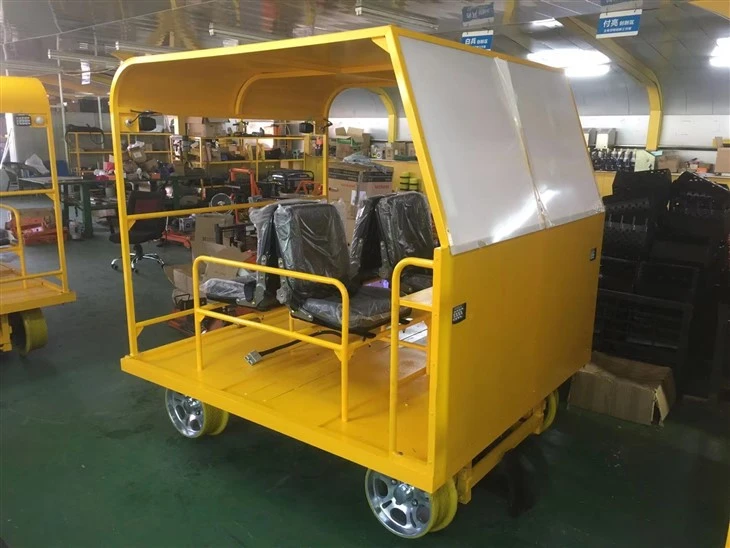
As a railway vehicle supplier, we offer a wide range of products that are designed to handle cross - winds effectively. Our Customized Battery Rail Track Trolley is a prime example. Despite its relatively small size, it is engineered with aerodynamic principles in mind. The compact design reduces the side area exposed to cross - winds, and its suspension system is tuned to provide stability even in windy conditions.
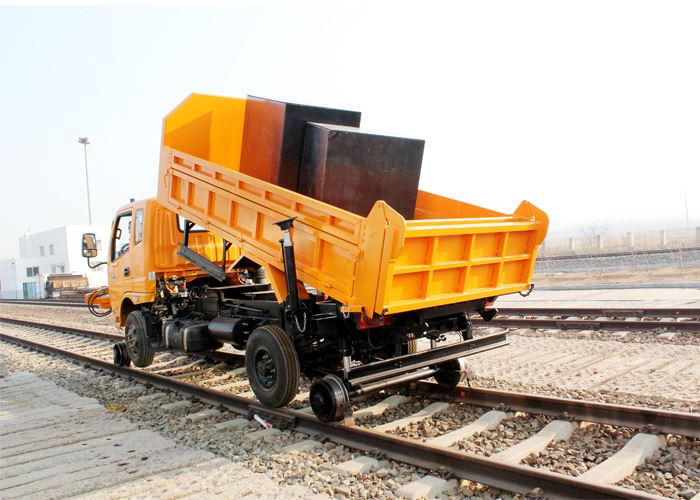
Our Road Rail Vehicles are another product in our portfolio. These vehicles are designed to operate both on roads and railways. They are equipped with advanced wheel and suspension systems that can adapt to different track and wind conditions. The aerodynamic shape of these vehicles helps to minimize the impact of cross - winds during railway operations.
Our Rail Trolley is also designed to handle cross - winds. With its lightweight and streamlined design, it can easily withstand the lateral forces exerted by cross - winds. The trolley's wheels and axles are designed to provide a stable ride, even in challenging wind conditions.
Conclusion
Handling cross - winds is a complex challenge for railway vehicles, but through a combination of aerodynamic design, advanced suspension and wheel systems, and operational strategies, we can ensure the safety and stability of our products. Our commitment to research and development allows us to continuously improve our vehicles' ability to handle cross - winds.
If you are interested in our railway vehicles and want to discuss how they can meet your specific requirements, especially in areas prone to cross - winds, we invite you to contact us for procurement and further discussions. We are ready to provide you with the best solutions for your railway needs.
References
- Baker, C. J. (2009). Cross - wind effects on road and rail vehicles. Journal of Wind Engineering and Industrial Aerodynamics, 97(10), 609 - 621.
- Cheli, F., Croce, A., & Demartino, L. (2011). Multibody dynamic analysis of a high - speed train in cross - wind. Vehicle System Dynamics, 49(3), 363 - 388.
- Setoguchi, T., Kim, S. H., & Kim, H. J. (2008). Aerodynamics of high - speed trains. Progress in Aerospace Sciences, 44(3), 159 - 217.