




What are the cutting techniques for a Track Cutter?
 Sep 04, 2025|
 As a supplier of track cutters, I am often asked about the cutting techniques used in this specialized field. Track cutters are essential tools in railway construction, maintenance, and repair, and understanding the various cutting techniques is crucial for achieving efficient and precise results. In this blog post, I will delve into the different cutting techniques for track cutters, highlighting their advantages, applications, and considerations.
Abrasive Cutting
Abrasive cutting is one of the most common techniques used in track cutting. It involves using a high - speed rotating abrasive wheel to cut through the rail. The abrasive wheel is made of hard particles bonded together, such as aluminum oxide or silicon carbide. When the wheel rotates at high speed and comes into contact with the rail, the abrasive particles grind away the metal, creating a cut.
One of the main advantages of abrasive cutting is its speed. It can quickly cut through rails, making it suitable for large - scale projects where time is of the essence. Additionally, abrasive cutting can be used on different types of rails, including carbon steel and alloy steel. However, abrasive cutting also has some drawbacks. The process generates a significant amount of heat, which can cause the rail to warp or harden in the cut area. This may require additional post - cutting processing to restore the rail's properties. Moreover, the abrasive wheels wear out relatively quickly and need to be replaced regularly, adding to the operating costs.
Saw Cutting
Saw cutting uses a circular saw blade to cut the rail. The saw blade has teeth that are designed to cut through the metal. There are two main types of saw blades used in track cutting: cold saw blades and friction saw blades.
Cold saw blades are made of high - speed steel or carbide - tipped steel. They cut the rail by shearing the metal, similar to how a regular saw cuts through wood. Cold saw cutting produces a clean, precise cut with minimal heat generation. This is beneficial as it reduces the risk of rail distortion and preserves the mechanical properties of the rail. Cold saws are often used in applications where a high - quality cut is required, such as in the manufacturing of rail components or in precision track repair.
Friction saw blades, on the other hand, rely on friction to generate heat and soften the metal during the cutting process. As the blade rotates at high speed and comes into contact with the rail, the friction heats up the metal, making it easier to cut. Friction saw cutting is faster than cold saw cutting but may result in a rougher cut surface. It is commonly used in situations where speed is more important than cut quality, such as in emergency track repairs.
Flame Cutting
Flame cutting, also known as oxy - fuel cutting, is a thermal cutting process that uses a mixture of oxygen and a fuel gas (such as acetylene or propane) to heat and cut the rail. The process starts by pre - heating the rail to its ignition temperature using the fuel gas. Once the rail reaches the ignition temperature, a high - pressure stream of oxygen is directed at the heated area. The oxygen reacts with the iron in the rail, causing it to burn and creating a cut.
Flame cutting is a powerful and versatile technique. It can cut through thick rails and is suitable for on - site track cutting in remote locations. Flame cutting equipment is relatively portable and easy to operate. However, flame cutting has some limitations. The process produces a wide heat - affected zone, which can lead to significant distortion of the rail. The cut surface may also be rough and require additional finishing. Additionally, flame cutting requires a supply of fuel gas and oxygen, which can be a logistical challenge in some situations.
Plasma Cutting
Plasma cutting is a modern cutting technique that uses a high - velocity jet of ionized gas (plasma) to cut through the rail. The plasma is created by passing an electric arc through a gas, such as nitrogen or argon. The high - energy plasma jet melts the metal, and the molten metal is blown away by the jet, creating a cut.
Plasma cutting offers several advantages. It can cut through a wide range of metals, including stainless steel and aluminum, with high precision. Plasma cutting is faster than many other cutting techniques and produces a relatively clean cut with a narrow heat - affected zone. This reduces the risk of rail distortion. However, plasma cutting equipment is more expensive than other cutting methods, and it requires a stable power supply. The process also generates a significant amount of noise and fumes, which need to be properly managed.
Considerations for Choosing a Cutting Technique
When choosing a cutting technique for a track cutter, several factors need to be considered.
Rail Material
Different cutting techniques are more suitable for different rail materials. For example, abrasive cutting and saw cutting are commonly used for carbon steel rails, while plasma cutting may be a better choice for alloy steel or stainless steel rails. Flame cutting is generally suitable for carbon steel rails but may not be as effective for some alloy steels.
Cut Quality
The required cut quality is an important consideration. If a smooth, precise cut is needed, cold saw cutting or plasma cutting may be the best options. Abrasive cutting and flame cutting may result in a rougher cut surface that requires additional finishing.
Speed
The speed of the cutting process is crucial, especially in large - scale projects or emergency repairs. Abrasive cutting, friction saw cutting, and flame cutting are relatively fast techniques, while cold saw cutting may be slower but offers better cut quality.

Portability
For on - site track cutting, the portability of the cutting equipment is essential. Flame cutting equipment is relatively portable, while some plasma cutting systems may be more bulky and require a stable power source.
Related Products
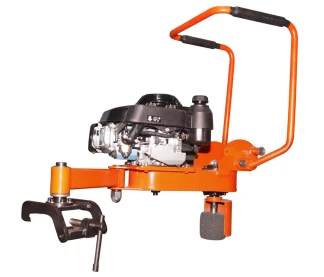
As a track cutter supplier, we offer a range of products related to track cutting and maintenance. For example, our Track Way Rail Waist Surface Grinding Machine is designed to grind the rail waist surface, ensuring smooth and precise track operation. Our HWS - II Rail Trimmer shearing blade of Therimit Welding With Pump Station is a high - quality tool for rail trimming, providing efficient and reliable performance. And our Internal Combustion Rail Grinding Machine Rail Grinder is suitable for grinding rails on - site, with its internal combustion engine providing power and mobility.
Conclusion
In conclusion, there are several cutting techniques available for track cutters, each with its own advantages and limitations. Abrasive cutting, saw cutting, flame cutting, and plasma cutting are the most commonly used techniques, and the choice of technique depends on factors such as rail material, cut quality requirements, speed, and portability. As a track cutter supplier, we are committed to providing high - quality products and technical support to help our customers choose the most suitable cutting technique for their specific needs.
If you are interested in our track cutting products or have any questions about track cutting techniques, please feel free to contact us for procurement and further discussion. We look forward to working with you to meet your track cutting requirements.
References
- "Railway Engineering Handbook" by John R. Dixon
- "Cutting Technology in Metalworking" by David A. Stephenson
- Industry standards and guidelines related to track cutting and maintenance.