




What is the cutting pressure of a hydraulic Railway Cutter?
 Sep 04, 2025|
 As a supplier of railway cutters, I often encounter questions from customers about various technical aspects of our products. One of the most frequently asked questions is, "What is the cutting pressure of a hydraulic railway cutter?" In this blog, I will delve into this topic in detail, providing you with a comprehensive understanding of cutting pressure in hydraulic railway cutters.
Understanding Hydraulic Railway Cutters
Before we discuss cutting pressure, it's essential to understand what a hydraulic railway cutter is and how it works. A hydraulic railway cutter is a specialized tool designed to cut through railway tracks efficiently and precisely. It utilizes hydraulic power to generate the force required for cutting, making it a powerful and reliable option for railway maintenance and construction projects.
The basic components of a hydraulic railway cutter include a hydraulic pump, a hydraulic cylinder, a cutting blade, and a control system. The hydraulic pump generates hydraulic pressure, which is then transmitted to the hydraulic cylinder. The hydraulic cylinder converts the hydraulic pressure into mechanical force, which is used to drive the cutting blade through the railway track.
What is Cutting Pressure?
Cutting pressure refers to the force applied by the cutting blade of a hydraulic railway cutter to the railway track during the cutting process. It is a crucial parameter that directly affects the cutting efficiency, quality, and the lifespan of the cutting blade.
The cutting pressure required for a hydraulic railway cutter depends on several factors, including the type and thickness of the railway track, the material of the cutting blade, and the cutting speed. Different types of railway tracks, such as standard-gauge tracks and narrow-gauge tracks, have different cross-sectional areas and material properties, which require different cutting pressures. For example, a thicker and harder railway track will generally require a higher cutting pressure than a thinner and softer one.
Factors Affecting Cutting Pressure
- Track Material and Thickness
- The material of the railway track plays a significant role in determining the cutting pressure. Tracks made of high - strength steel alloys require more force to cut through compared to those made of softer materials. Additionally, the thickness of the track also affects the cutting pressure. A thicker track presents more resistance to the cutting blade, necessitating a higher cutting pressure.
- Cutting Blade Material and Geometry
- The material of the cutting blade is crucial. High - quality blades made of carbide or other hard - wearing materials can maintain their sharpness for longer and require less pressure to cut through the track. The geometry of the blade, such as the blade angle and tooth design, also impacts the cutting pressure. A well - designed blade can reduce the friction and resistance during cutting, thus lowering the required cutting pressure.
- Cutting Speed
- The cutting speed is inversely related to the cutting pressure in some cases. A slower cutting speed allows the cutting blade to gradually penetrate the track, reducing the instantaneous force required. However, if the cutting speed is too slow, it may lead to inefficiencies in the cutting process. On the other hand, a very high cutting speed may require a higher cutting pressure to overcome the increased resistance.
Measuring and Controlling Cutting Pressure
In a hydraulic railway cutter, the cutting pressure is typically measured using pressure sensors installed in the hydraulic system. These sensors provide real - time data on the pressure, allowing operators to monitor and adjust the cutting process accordingly.
To control the cutting pressure, the hydraulic system of the railway cutter is equipped with a pressure control valve. This valve can be adjusted to increase or decrease the hydraulic pressure supplied to the cutting blade. By carefully controlling the cutting pressure, operators can ensure efficient and high - quality cutting while also protecting the cutting blade from excessive wear and damage.
Our Product Range and Cutting Pressure Considerations
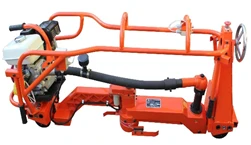
As a railway cutter supplier, we offer a wide range of products to meet the diverse needs of our customers. Our Internal Combustion Rail Cutting Machine is a popular choice for on - site railway cutting tasks. It combines the power of an internal combustion engine with a hydraulic system to provide reliable cutting performance. When using this machine, the cutting pressure can be adjusted based on the specific track conditions, ensuring optimal cutting results.
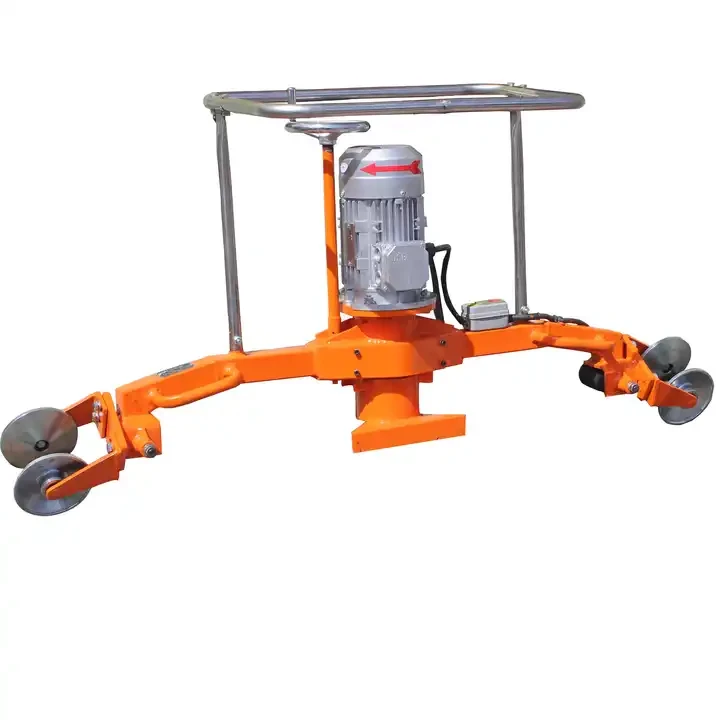
Another product in our portfolio is the DGM - 2.2 Multi - function Rail Grinding Machine. While it is primarily a grinding machine, it also has the ability to perform some light - duty cutting tasks. The cutting pressure for this machine is carefully calibrated to ensure smooth and efficient operation, whether it is used for grinding or cutting.
Our Rail Grinding Machine is designed for heavy - duty railway maintenance. It has a powerful hydraulic system that can generate high cutting pressures when needed, making it suitable for cutting through thick and hard railway tracks.
Importance of Optimal Cutting Pressure
Maintaining the optimal cutting pressure is essential for several reasons. Firstly, it ensures high - quality cuts. An appropriate cutting pressure allows the blade to cut through the track cleanly and precisely, minimizing the formation of burrs and rough edges. This is crucial for railway tracks, as smooth cuts are necessary for proper track alignment and connection.
Secondly, optimal cutting pressure extends the lifespan of the cutting blade. Excessive cutting pressure can cause the blade to wear out quickly, leading to frequent blade replacements and increased costs. On the other hand, insufficient cutting pressure may result in incomplete cuts and increased wear on the blade due to excessive friction.
Finally, optimal cutting pressure improves the overall efficiency of the cutting process. It reduces the time and energy required for cutting, allowing railway maintenance and construction projects to be completed more quickly and cost - effectively.
Conclusion
In conclusion, the cutting pressure of a hydraulic railway cutter is a critical parameter that depends on multiple factors, including track material, blade material, and cutting speed. As a railway cutter supplier, we understand the importance of providing products that can generate the appropriate cutting pressure for different railway track conditions.
Our range of railway cutters and related machines, such as the Internal Combustion Rail Cutting Machine, DGM - 2.2 Multi - function Rail Grinding Machine, and Rail Grinding Machine, are designed to offer precise control over cutting pressure, ensuring high - quality and efficient cutting operations.
If you are involved in railway maintenance or construction projects and are looking for reliable railway cutters, we invite you to contact us for more information and to discuss your specific requirements. Our team of experts is ready to assist you in selecting the right product and providing the necessary technical support.
References
- Railway Engineering Handbook, various editions
- Technical manuals of hydraulic machinery
- Research papers on metal cutting and railway maintenance technology