




How do railway vehicles operate in cold weather?
 Jul 24, 2025|
 Hey there! As a supplier of railway vehicles, I've seen firsthand how cold weather can throw a wrench into the smooth operation of these machines. It's a challenge that we, as an industry, have to face head - on, and I'm here to share some insights on how railway vehicles operate in cold weather.
First off, let's talk about the impact of cold temperatures on the components of railway vehicles. When it gets really cold, metals become more brittle. This means that parts like axles, wheels, and even the body of the vehicle are at a higher risk of cracking. For example, the steel used in the wheels can experience stress fractures if the temperature drops suddenly. To combat this, we often use special alloys that are more resistant to cold - related brittleness. These alloys are designed to maintain their strength and flexibility even in sub - zero conditions.
The braking system is another critical area affected by cold weather. In normal conditions, brakes work by converting the kinetic energy of the moving vehicle into heat through friction. But in cold weather, the brake pads and discs can get cold and lose some of their frictional properties. This leads to longer stopping distances, which is a major safety concern. To address this, we've developed heating systems for the braking components. These systems keep the brakes at an optimal temperature, ensuring that they function as effectively as possible.
The electrical systems in railway vehicles also take a hit in cold weather. Batteries lose their charge more quickly in the cold because the chemical reactions that produce electricity slow down. Wires can become stiffer, increasing the risk of breakage. We've started using cold - resistant batteries and insulating the electrical wiring to minimize these issues. Some of our vehicles are also equipped with battery heaters to keep the batteries warm and maintain their performance.
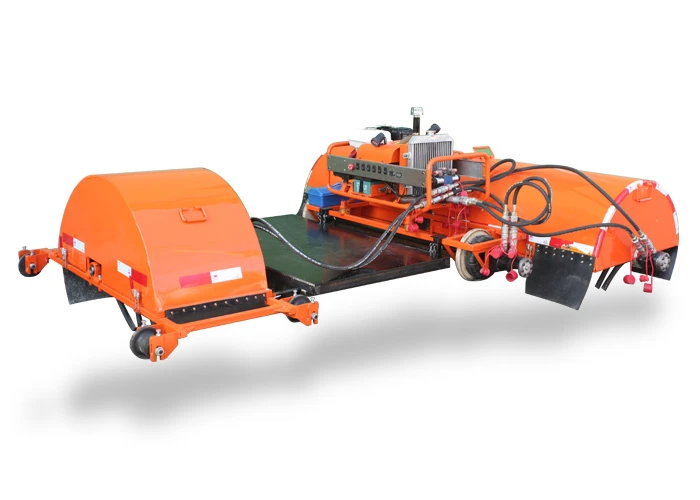
Now, let's move on to the impact of snow and ice. Snow can accumulate on the tracks, making it difficult for the wheels to grip. Ice can form on the overhead power lines, disrupting the power supply to electric trains. To deal with snow on the tracks, we have a range of specialized vehicles. The ZYSZ - 5 Professional Design Automatic Hydraulic Rail Ballast Cleaning Machine is one of our top - of - the - line products. It can clear snow and ice from the tracks, as well as clean the ballast, ensuring a smooth and safe ride for the trains.
Ice on the overhead power lines is a bit trickier to handle. We use de - icing techniques, such as spraying hot water or using specialized equipment to break up the ice. Our GYC - II Road Rail Vehicle can be used to access the power lines and perform maintenance tasks, including de - icing.
In addition to these technical challenges, cold weather also affects the maintenance of railway vehicles. Mechanics have to work in harsh conditions, which can slow down the maintenance process. We've set up heated maintenance facilities to make the working environment more comfortable for our technicians. This allows them to perform thorough inspections and repairs more efficiently.
Another aspect to consider is the impact of cold weather on the passengers. Trains need to be well - heated to keep passengers comfortable. We've installed high - efficiency heating systems in our vehicles that can quickly warm up the interior, even in extremely cold weather.
Now, let's talk about our Customized Battery Rail Track Trolley. This trolley is a great option for cold - weather operations. It's powered by a battery that's designed to perform well in cold temperatures. It can be used for various tasks, such as transporting equipment and personnel along the tracks.
In conclusion, operating railway vehicles in cold weather is a complex task that requires a combination of advanced technology, proper maintenance, and specialized equipment. At our company, we're constantly working on improving our products to meet the challenges of cold - weather operation. Whether it's developing new alloys, improving heating systems, or creating specialized vehicles, we're committed to providing the best solutions for our customers.
If you're in the market for railway vehicles or need to upgrade your existing fleet to better handle cold - weather conditions, we'd love to talk to you. Contact us to start a conversation about your specific needs and how our products can meet them. We're here to help you keep your railway operations running smoothly, no matter how cold it gets.
References

- Railway Engineering Handbook: A Comprehensive Guide to Railway Design, Construction, and Maintenance
- Cold Weather Effects on Transportation Systems: Research and Best Practices
- Journal of Railway Vehicle Technology and Cold - Weather Performance Studies