




How do you prepare a track car for a race?
 Jan 02, 2026|
 Preparing a track car for a race is a meticulous and multi - faceted process that demands a combination of technical expertise, attention to detail, and a deep understanding of the unique challenges that track racing presents. As a track car supplier, I've witnessed firsthand the significance of each step in this preparation. This blog will guide you through the essential steps to ensure your track car is in optimal condition for a race.
1. Pre - Race Inspection
The initial phase of preparing a track car for a race involves a comprehensive pre - race inspection. This is not a cursory glance but a thorough examination of every component of the vehicle.
- Chassis and Suspension: Start by inspecting the chassis for any signs of damage, stress cracks, or deformation. The suspension system is equally crucial. Check the shock absorbers for leaks, and ensure that the springs are in good condition and have the correct pre - load. The alignment of the wheels must be precise; even a slight misalignment can lead to uneven tire wear and reduced handling performance during the race. Incorrect camber, toe, or caster settings can cause the car to pull to one side, making it difficult to control at high speeds.
- Brakes: The braking system is one of the most vital safety features of a track car. Inspect the brake pads for thickness; worn - out brake pads can significantly reduce braking efficiency. Check the brake lines for any signs of leaks or damage, as a brake fluid loss can be catastrophic during a race. The brake calipers should also be examined to ensure they are functioning correctly and clamping evenly on the brake discs.
- Tires: Tires are the only point of contact between the car and the track, so their condition is of utmost importance. Check the tire pressure carefully; different track conditions and temperatures may require different tire pressures for optimal grip. Examine the tire tread depth; worn - out tires can lead to hydroplaning in wet conditions or a lack of traction on dry tracks. In addition, look for any signs of uneven wear, which can indicate problems with the suspension or alignment.
2. Engine and Drivetrain Preparation
The performance of the engine and drivetrain can make or break your race.
- Engine: Start by changing the engine oil and oil filter. Fresh oil ensures proper lubrication of the engine components, reducing friction and wear. Check the air filter; a clogged air filter can restrict airflow to the engine, decreasing power output. Inspect the spark plugs; worn - out spark plugs can cause misfires, leading to a loss of power and decreased fuel efficiency. Additionally, ensure that the cooling system is in top condition. Check the coolant level and look for any signs of leaks in the radiator, hoses, or water pump. Overheating can cause significant engine damage and can quickly end your race.
- Drivetrain: The drivetrain, including the transmission, differential, and driveshafts, must be inspected. Check the transmission fluid level and its condition. Old or dirty transmission fluid can cause rough shifting and premature wear of the transmission components. The differential should be examined for proper fluid levels and any signs of damage. Worn - out driveshafts can cause vibrations and power loss, so check them for cracks or excessive play.
3. Safety Equipment Installation
Safety should always be a top priority when preparing a track car for a race.
- Seat and Harness: Install a high - quality racing seat that provides proper support and comfort. The seat should be firmly bolted to the chassis to prevent it from moving during the race. Pair the racing seat with a multi - point racing harness. A good harness will keep the driver securely in place during high - speed maneuvers and in the event of a crash.
- Roll Cage: A roll cage is an essential safety feature for track cars. It provides additional protection to the driver in the event of a roll - over or impact. Ensure that the roll cage is properly welded and installed according to the relevant safety standards.
- Fire Suppression System: Install a fire suppression system in the engine compartment and the driver's area. In the event of a fire, this system can quickly extinguish the flames, potentially saving lives and the car.
4. Aerodynamics Tuning
Aerodynamics plays a crucial role in the performance of a track car.
- Wings and Splitters: Depending on the track layout and the car's characteristics, adjust the angle and position of the rear wing and front splitter. A rear wing can provide downforce at high speeds, increasing traction and stability. The front splitter helps to manage the airflow under the car, reducing lift and improving steering response.
- Underbody: A smooth underbody can help to reduce drag and improve the car's overall aerodynamic efficiency. Consider adding an undertray to streamline the airflow beneath the car.
5. Data Logging and Telemetry Setup
Modern track cars often rely on data logging and telemetry systems to optimize performance.
- Data Logger Installation: Install a data logger that can record various parameters such as speed, acceleration, braking force, engine RPM, and temperature. Analyzing this data after practice sessions can help you identify areas for improvement. For example, if the data shows that the engine is overheating during long high - speed straights, you can adjust the cooling system or modify the driving style.
- Telemetry System: A telemetry system allows you to transmit real - time data from the car to a pit - side monitor. This enables your team to monitor the car's performance during the race and provide immediate feedback to the driver.
6. Specific Track Car Considerations
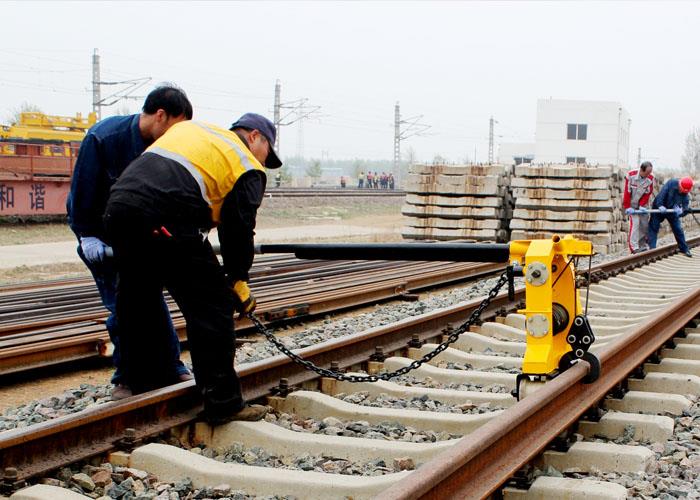
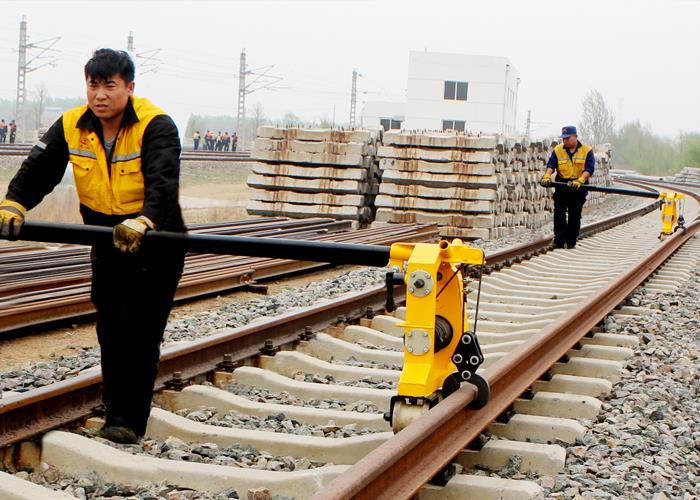
If you are using specialized track cars like Single - Person Inspection Trolley, Railway Lightweight 500kg Capacity Foldable Manual Trolley insulated aluminum alloy, or XBY II manual rail carrier, there are additional considerations.
- Track Compatibility: Ensure that the track car is compatible with the specific track on which the race will be held. Different tracks may have different gauges, gradients, and surface conditions. For example, a lightweight trolley may need to be adjusted for a track with a steep gradient to ensure proper traction and braking.
- Payload and Equipment: If the track car is designed to carry a payload or specific equipment, make sure that it is properly secured and balanced. An unbalanced load can affect the car's handling and stability.
7. Test Runs and Fine - Tuning
After all the preparations are complete, it's time for test runs.
- Practice Sessions: Conduct several practice sessions on the track. Use these sessions to fine - tune the car's settings based on the driver's feedback and the data collected from the data logger. For example, if the driver reports that the car is understeering in certain corners, you can adjust the suspension or the aerodynamics to improve handling.
- Final Checks: Before the race, perform a final set of checks on all the systems of the car. Make sure that everything is in working order and that there are no last - minute issues.
Preparing a track car for a race is a complex but rewarding process. By following these steps and paying attention to every detail, you can ensure that your track car is in the best possible condition for a successful race. As a track car supplier, we are committed to providing you with the best - quality track cars and the support you need to prepare them for races. If you are interested in purchasing track cars or need more information about race preparation, we invite you to contact us for procurement discussions.
References
- Milliken, W. F., & Milliken, D. L. (1995). Race Car Vehicle Dynamics. Society of Automotive Engineers.
- Puhn, Paul. (2006). Tune to Win. CarTech.