




How do you upgrade a track car?
 May 09, 2025|
 Upgrading a track car is a meticulous process that requires a comprehensive understanding of the vehicle's mechanics, performance requirements, and safety standards. As a track car supplier, I've witnessed firsthand the transformative impact of well - executed upgrades on track cars. In this blog, I'll share some insights on how to upgrade a track car effectively.
1. Initial Assessment
Before diving into any upgrades, it's essential to conduct a thorough assessment of the track car. This includes evaluating the current condition of the engine, transmission, suspension, brakes, and the overall chassis. Understanding the car's existing strengths and weaknesses will help you prioritize upgrades. For instance, if the engine lacks power, you might focus on engine - related enhancements. If the car has poor handling at high speeds, suspension upgrades could be a top priority.

2. Engine Upgrades
The engine is the heart of a track car, and upgrading it can significantly boost performance. One of the most common engine upgrades is increasing the intake and exhaust flow. High - performance air filters and exhaust systems can improve airflow, allowing the engine to breathe better and generate more power. For example, a cold - air intake system can bring in cooler air, which is denser and contains more oxygen, resulting in more efficient combustion.
Another option is engine tuning. With the help of modern engine management systems, you can adjust parameters such as fuel injection timing, ignition timing, and boost pressure (if it's a turbocharged engine). This can optimize the engine's performance based on your specific track requirements. However, engine tuning should be done by a professional to avoid damaging the engine.
Supercharging or turbocharging is a more advanced engine upgrade. These forced - induction systems compress the incoming air, increasing the amount of oxygen in the combustion chamber and enabling the engine to burn more fuel and produce more power. But they also add complexity to the engine and require additional cooling and fuel system upgrades.
3. Suspension and Handling Upgrades
A track car needs precise handling to navigate corners at high speeds. Upgrading the suspension system can greatly improve the car's handling characteristics. Coilovers are a popular choice for track cars. They allow you to adjust the ride height, damping, and spring pre - load, giving you full control over the car's suspension setup.
Sway bars are another important component. They reduce body roll during cornering, keeping the car more stable and allowing the tires to maintain better contact with the track surface. Upgrading to stiffer sway bars can enhance the car's responsiveness and cornering ability.
In addition, upgrading the bushings can improve the overall feel of the suspension. Polyurethane bushings are often used in track cars because they are more rigid than rubber bushings, reducing play and providing more precise steering and handling.
4. Brake Upgrades
Brakes are crucial for a track car, as they need to be able to slow down the car quickly and repeatedly without fading. Upgrading to high - performance brake pads and rotors is a good start. Performance brake pads have a higher friction coefficient, providing better stopping power. Slotted or drilled rotors can help dissipate heat more effectively, reducing the risk of brake fade during intense track use.
Braided stainless - steel brake lines are also a valuable upgrade. They are more resistant to expansion under pressure compared to stock rubber lines, ensuring a more consistent brake pedal feel and better brake performance.
5. Aerodynamic Upgrades
Aerodynamics play a vital role in a track car's performance. Downforce is key to keeping the car stable at high speeds and improving traction. Front splitters, rear wings, and diffusers are common aerodynamic upgrades.
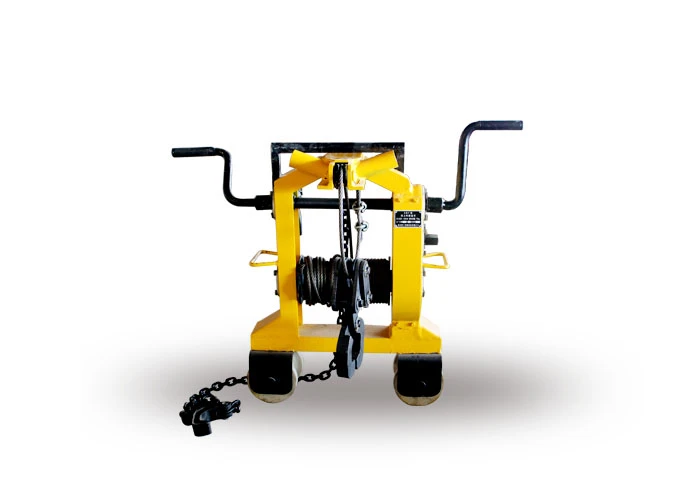
A front splitter creates a pressure difference between the top and bottom of the car, pushing the front end down and increasing front - tire grip. A rear wing generates downforce at the rear of the car, helping to keep the rear tires planted on the track. A diffuser works by accelerating the airflow under the car, reducing the air pressure and creating a suction effect that pulls the car towards the ground.
6. Weight Reduction
Reducing the weight of a track car can have a significant impact on its performance. Every pound removed from the car can improve acceleration, braking, and handling. You can start by removing non - essential components such as the rear seats, sound system, and heavy interior trim.
Using lightweight materials is another effective way to reduce weight. For example, replacing the stock hood, doors, or fenders with carbon - fiber parts can save a substantial amount of weight. However, carbon - fiber parts can be expensive, so you need to balance the cost with the performance gains.
7. Tire Upgrades
Tires are the only point of contact between the car and the track, so choosing the right tires is crucial. High - performance tires with a soft compound provide better grip, allowing the car to corner faster and brake more effectively. Track - specific tires are designed to handle the high - speed and high - stress conditions of the track.
It's also important to ensure proper tire maintenance. Regularly check the tire pressure, tread depth, and alignment. Correct tire pressure is essential for optimal performance and safety on the track.
8. Safety Upgrades
Safety should always be a top priority when upgrading a track car. Installing a roll cage is one of the most important safety upgrades. A roll cage provides additional protection in the event of a rollover or collision.
Harnesses are also crucial. Racing harnesses keep the driver securely in place during high - speed maneuvers and can prevent serious injuries in case of an accident. Other safety upgrades may include fire extinguishers, racing seats, and a proper ventilation system to keep the driver cool and comfortable.
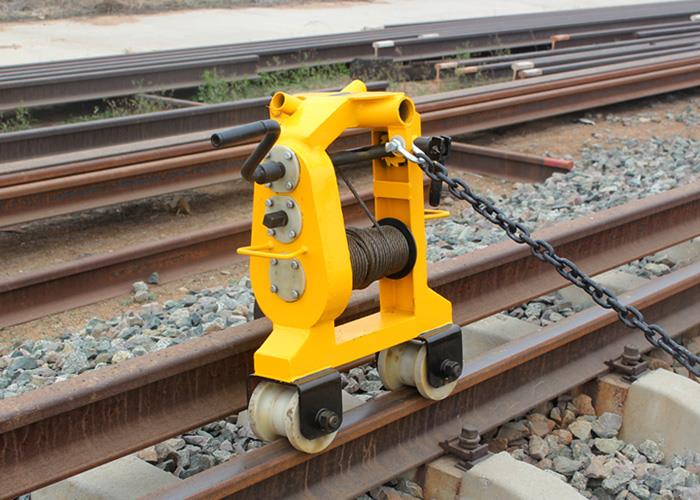
Related Products from Our Catalog
As a track car supplier, we offer a range of high - quality products that can be used for track car upgrades. Our GYC - II Road Rail Vehicle is a versatile option that combines the functionality of a road vehicle and a rail vehicle, suitable for various track - related applications.
The 500kg insulated alloy Rail Trolley By Manual is a practical choice for transporting light - to - medium - weight materials on the track. It's easy to operate and can be a great addition to your track - car upgrade project.
Our XBY II manual rail carrier is designed for efficient material handling on the rail. It offers a reliable and cost - effective solution for moving goods along the track.
Contact Us for Procurement
If you're interested in upgrading your track car and need high - quality parts and equipment, we're here to help. Our team of experts can provide you with professional advice and guidance on the best upgrades for your specific needs. Whether you're a professional racing team or an enthusiastic track - day driver, we have the products and knowledge to support your track - car upgrade project. Feel free to reach out to us to start the procurement and upgrade process.
References
- Smith, J. (2020). High - Performance Vehicle Upgrades. Motorsport Publishing.
- Johnson, R. (2019). Track Car Engineering. Automotive Engineering Press.
- Brown, A. (2018). Advanced Aerodynamics for Racing Cars. Aerodynamics Institute Publications.