




How to adjust the cutting speed of a Railway Cutter?
 May 09, 2025|
 As a supplier of railway cutters, I understand the importance of adjusting the cutting speed correctly. The cutting speed of a railway cutter is a critical factor that can significantly affect the quality of the cut, the lifespan of the cutting tool, and overall operational efficiency. In this blog, I will share some insights on how to adjust the cutting speed of a railway cutter.
Understanding the Basics of Cutting Speed
Before delving into the adjustment process, it's essential to understand what cutting speed means. Cutting speed refers to the rate at which the cutting edge of the tool passes over the surface of the workpiece. In the context of railway cutters, it is the speed at which the cutter moves along the rail to make a cut. It is usually measured in meters per minute (m/min) or feet per minute (ft/min).
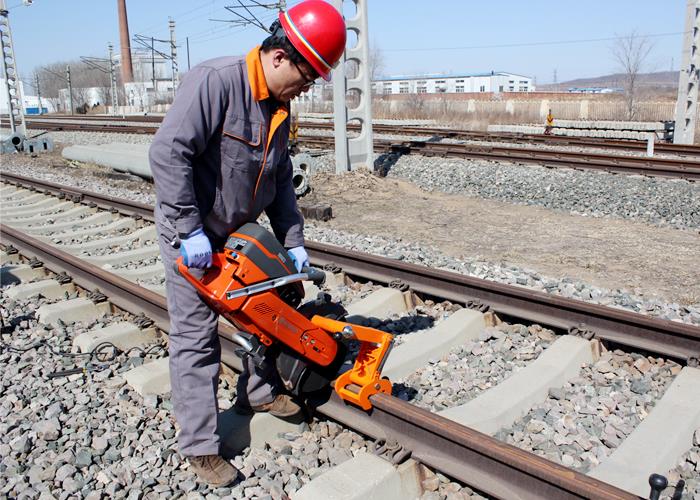
The appropriate cutting speed depends on several factors, including the type of rail material, the diameter of the cutting tool, the feed rate, and the depth of cut. Different rail materials, such as carbon steel or alloy steel, have different hardness and machinability, which require different cutting speeds. For example, harder materials generally require lower cutting speeds to avoid excessive tool wear and overheating.
Factors Affecting Cutting Speed
- Rail Material
- The composition and hardness of the rail material play a crucial role in determining the cutting speed. Harder rails, like those with high carbon content or alloying elements, need slower cutting speeds. Softer rails can tolerate higher cutting speeds without causing excessive wear on the cutting tool.
- Cutting Tool Material
- The material of the cutting tool also affects the cutting speed. Tools made of high - speed steel (HSS) can operate at different speeds compared to carbide - tipped tools. Carbide tools are generally more heat - resistant and can handle higher cutting speeds, making them suitable for tougher rail materials.
- Tool Diameter
- Larger diameter cutting tools typically require lower cutting speeds. This is because the outer edge of a larger tool travels a greater distance in one revolution compared to a smaller tool, and a high speed at the outer edge can lead to increased stress and wear on the tool.
- Feed Rate
- The feed rate, which is the rate at which the cutting tool advances into the workpiece, is related to the cutting speed. A higher feed rate may require a lower cutting speed to maintain a good quality cut and prevent tool breakage.
Methods of Adjusting Cutting Speed
- Mechanical Adjustment
- Some railway cutters are equipped with mechanical speed control mechanisms. These may include variable - speed pulleys or gearboxes. By changing the position of the belt on the pulleys or shifting the gears, you can adjust the rotational speed of the cutting tool, thereby changing the cutting speed.
- For example, if you have a cutter with a variable - speed pulley system, moving the belt to a larger pulley on the motor side and a smaller pulley on the tool side will increase the rotational speed of the tool and thus the cutting speed.
- Electrical Adjustment
- Many modern railway cutters use electric motors with adjustable speed controllers. These controllers allow you to adjust the cutting speed by changing the frequency or voltage supplied to the motor.
- Inverter - controlled motors are commonly used in industrial applications. By adjusting the inverter settings, you can precisely control the speed of the motor and, consequently, the cutting speed of the tool. This method offers greater flexibility and accuracy compared to mechanical adjustment.
- Programmable Control
- Some advanced railway cutters come with programmable control systems. These systems allow you to input specific cutting parameters, including the cutting speed, based on the type of rail material and the desired cut quality.
- The cutter will then automatically adjust the cutting speed according to the programmed settings. This is particularly useful for large - scale railway maintenance projects where consistent cutting quality is required.
Step - by - Step Guide to Adjusting Cutting Speed
- Identify the Rail Material
- First, determine the type of rail material you are working with. Check the specifications provided by the rail manufacturer or use a hardness testing device to assess the hardness of the rail.
- Refer to the Tool Manufacturer's Recommendations
- Consult the cutting tool manufacturer's guidelines for the recommended cutting speeds based on the rail material and tool type. These recommendations are usually based on extensive testing and can serve as a starting point for your adjustment.
- Set the Initial Cutting Speed
- Based on the above information, set the initial cutting speed on your railway cutter. If you are using a mechanical adjustment method, make the necessary changes to the pulleys or gears. For electrical or programmable control systems, input the appropriate speed settings.
- Perform a Test Cut
- Make a test cut on a small section of the rail. Observe the cutting process closely. Check for signs of excessive tool wear, such as dulling of the cutting edge or chipping. Also, note the quality of the cut, including the smoothness of the cut surface and the presence of any burrs.
- Adjust the Cutting Speed as Needed
- If the test cut shows signs of problems, such as excessive tool wear or a poor - quality cut, adjust the cutting speed accordingly. If the tool is wearing too quickly, reduce the cutting speed. If the cut is slow and inefficient, increase the cutting speed slightly.
- Monitor and Fine - Tune
- Continuously monitor the cutting process during the actual operation. Make small adjustments to the cutting speed as needed to ensure optimal performance. Keep in mind that factors such as the temperature of the cutting tool and the condition of the rail surface can also affect the cutting speed.
Our Railway Cutter Products
We offer a wide range of high - quality railway cutters to meet different cutting requirements. For example, our Automatic Hydraulic Rail Fat Edge Grinding Machine is designed for efficient and precise grinding of rail fat edges. It allows for easy adjustment of cutting parameters, including the cutting speed, to ensure a perfect cut every time.
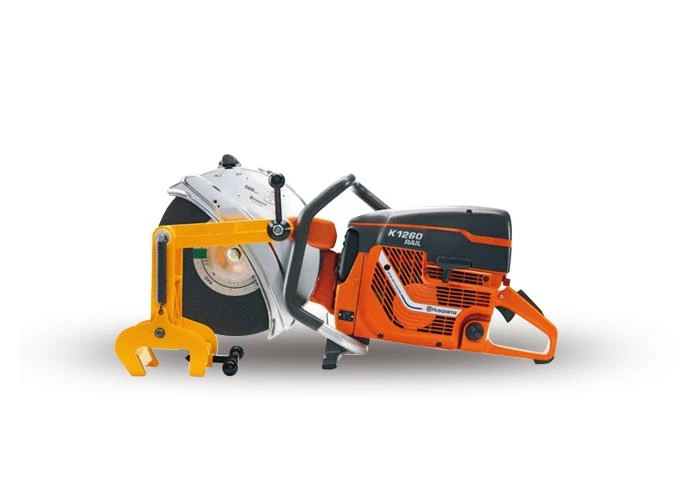
Our K1270 Professional Design Internal Combustion Rail Cutting Machine is a powerful and reliable option for on - site rail cutting. With its advanced design and adjustable speed control, it can handle various rail materials and cutting tasks.

The Railway Switch Digital Grinding Machine Rail Fat Edge Grinder Fine Grinding is another excellent product in our lineup. It features a digital control system that enables precise adjustment of the cutting speed, providing high - quality grinding results for railway switches.
Conclusion
Adjusting the cutting speed of a railway cutter is a skill that requires a good understanding of the factors involved and the proper adjustment methods. By following the steps outlined in this blog and referring to the tool manufacturer's recommendations, you can ensure that your railway cutter operates at an optimal cutting speed, resulting in high - quality cuts, longer tool life, and improved operational efficiency.
If you are interested in our railway cutter products or need more information on cutting speed adjustment, please feel free to contact us for procurement and further discussions. We are committed to providing you with the best solutions for your railway cutting needs.
References
- "Machining Handbook", Industrial Press Inc.
- Manufacturer's manuals of railway cutters and cutting tools.