




What are the impacts of rail adjustment on the operation of railway crossings?
 May 14, 2025|
 As a supplier in the rail adjustment business, I've seen firsthand how rail adjustment can have far - reaching impacts on the operation of railway crossings. In this blog, I'll break down these impacts and share some insights based on my experiences.
1. Safety at Railway Crossings
One of the most critical aspects affected by rail adjustment is safety at railway crossings. Railway crossings are high - risk areas where trains and road vehicles intersect. If the rails aren't properly adjusted, it can lead to a host of safety issues.
For example, an improper rail joint gap can cause uneven movement of the train wheels. When a train passes over a railway crossing with a misaligned rail joint, it may create a jolt. This jolt not only affects the comfort of passengers on the train but also poses a significant risk. It can potentially derail the train, especially at high speeds. A derailment at a railway crossing is extremely dangerous as it can collide with vehicles on the road, leading to serious accidents and even loss of life.

Our [Bidirectional Rail Joint Gap Adjuster](/rail - stretching - and - rail - gap - adjusting - series/bidirectional - rail - joint - gap - adjuster.html) plays a crucial role here. It allows for precise adjustment of the rail joint gaps. By ensuring that the gaps are within the specified limits, we can reduce the chances of jolts and vibrations, making railway crossings safer for both trains and road users.
2. Traffic Flow and Efficiency
Rail adjustment also has a big impact on traffic flow and efficiency at railway crossings. When the rails are well - adjusted, trains can pass through crossings more smoothly. This means less time spent at the crossing, reducing the amount of time that road traffic has to be stopped.
Let's say a railway crossing is frequently used by both trains and a large volume of road traffic. If the rails are misaligned, trains may have to slow down significantly when passing through. This results in longer gate - down times for road traffic, causing congestion on the roads. On the other hand, with proper rail adjustment, trains can maintain their normal speed, and the gates at the crossing can be open for road traffic more often.
Our [YLS - 400 Super Good Pricing Hydraulic Rail Stretching Machine](/rail - stretching - and - rail - gap - adjusting - series/yls - 400 - super - good - pricing - hydraulic - rail.html) is a great tool for ensuring the proper alignment of rails. It can stretch the rails to the right length, which is essential for smooth train movement. This not only benefits the railway operations but also improves the overall traffic flow at railway crossings.
3. Maintenance Costs
Proper rail adjustment can also have a major impact on maintenance costs related to railway crossings. When the rails are adjusted correctly, there is less wear and tear on the tracks and the train wheels. Misaligned rails can cause excessive friction between the wheels and the tracks, leading to faster deterioration of both components.

For instance, if the rail joint gaps are too large or too small, the train wheels may experience abnormal forces. This can lead to premature wheel wear, and the tracks may also develop uneven surfaces. These issues require more frequent maintenance, including track resurfacing and wheel replacement.
Our [YTF 400 II Good Quality Hydraulic Rail Gap Adjuster](/rail - stretching - and - rail - gap - adjusting - series/ytf - 400 - ii - good - quality - hydraulic - rail - gap.html) helps in keeping the rail gaps at the optimal level. By doing so, it reduces the stress on the tracks and wheels, ultimately lowering the maintenance costs associated with railway crossings.
4. Noise and Vibration
Another aspect affected by rail adjustment is the noise and vibration generated at railway crossings. Misaligned rails can cause loud noises and strong vibrations when trains pass over them. These noises can be a nuisance to nearby residents and can also have an impact on the structural integrity of buildings in the vicinity.
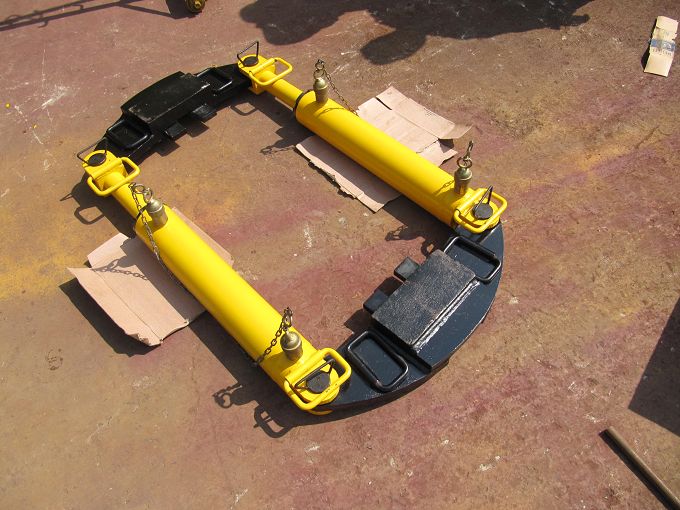
Excessive vibrations can also loosen the fasteners that hold the rails in place. Over time, this can lead to further misalignment of the rails, creating a vicious cycle. By using our rail adjustment tools to ensure proper alignment, we can significantly reduce the noise and vibration levels at railway crossings. This creates a more pleasant environment for people living and working nearby and also helps in maintaining the stability of the railway infrastructure.
5. Long - term Infrastructure Stability
Rail adjustment is essential for the long - term stability of the railway infrastructure at crossings. Railway crossings are subject to a lot of stress due to the constant movement of trains and the interaction with road traffic. If the rails are not adjusted properly, this stress can cause the infrastructure to deteriorate more quickly.
For example, misaligned rails can cause uneven settlement of the ballast, which is the layer of crushed stone that supports the tracks. This uneven settlement can lead to further track misalignment and can even cause damage to the sub - structure of the railway crossing. By regularly adjusting the rails, we can ensure that the entire railway crossing infrastructure remains stable over the long term.
In conclusion, rail adjustment has a wide range of impacts on the operation of railway crossings. From safety and traffic flow to maintenance costs and long - term infrastructure stability, every aspect is affected. As a rail adjustment supplier, I'm committed to providing high - quality tools like the [Bidirectional Rail Joint Gap Adjuster](/rail - stretching - and - rail - gap - adjusting - series/bidirectional - rail - joint - gap - adjuster.html), [YLS - 400 Super Good Pricing Hydraulic Rail Stretching Machine](/rail - stretching - and - rail - gap - adjusting - series/yls - 400 - super - good - pricing - hydraulic - rail.html), and [YTF 400 II Good Quality Hydraulic Rail Gap Adjuster](/rail - stretching - and - rail - gap - adjusting - series/ytf - 400 - ii - good - quality - hydraulic - rail - gap.html) to help ensure the smooth and safe operation of railway crossings.
If you're in the railway industry and are looking for reliable rail adjustment solutions, don't hesitate to get in touch with us. We're here to help you improve the efficiency and safety of your railway crossings through proper rail adjustment.
References
- American Railway Engineering and Maintenance - of - Way Association (AREMA). "Manual for Railway Engineering."
- Federal Railroad Administration (FRA). "Safety Regulations for Railroads."