




How does a hydraulic Railway Cutter work?
 Aug 12, 2025|
 Hey there! I'm a supplier of Railway Cutters, and today I'm gonna take you through how a hydraulic Railway Cutter works. It's a pretty cool piece of machinery, and understanding its operation can give you a better idea of why it's so useful in the railway industry.
The Basics of a Hydraulic Railway Cutter
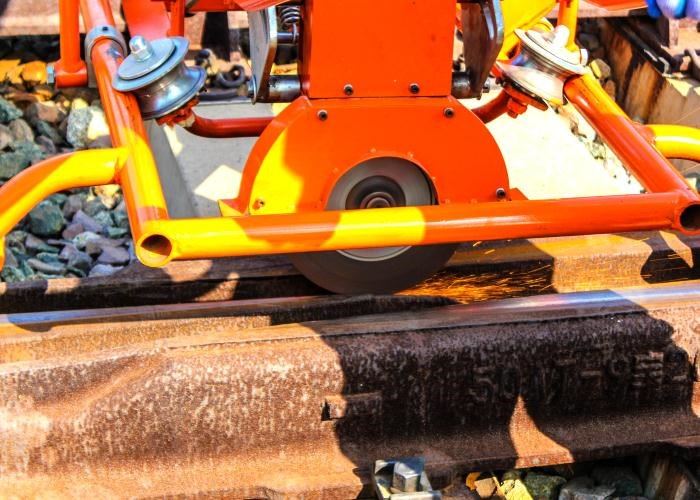
First off, let's talk about what a hydraulic Railway Cutter is for. Simply put, it's used to cut through railway tracks. Whether you're doing maintenance, installing new tracks, or making repairs, a good Railway Cutter is essential.
The "hydraulic" part is key here. Hydraulics is all about using fluid to transfer power. In a hydraulic Railway Cutter, we use a special hydraulic fluid that's designed to handle high pressures and provide smooth, consistent power.
The Components of a Hydraulic Railway Cutter
Let's break down the main components of a hydraulic Railway Cutter:
Hydraulic Pump
The hydraulic pump is like the heart of the system. It's responsible for creating the pressure needed to move the cutting blade. When you turn on the cutter, the pump starts working, sucking in the hydraulic fluid from the reservoir and then pushing it out at high pressure. This pressurized fluid is what powers the rest of the system.
Hydraulic Cylinder
The hydraulic cylinder is where the magic happens. The pressurized fluid from the pump enters the cylinder, which has a piston inside. As the fluid fills one side of the cylinder, it pushes the piston, and this movement is transferred to the cutting blade. The size and design of the cylinder determine how much force can be applied to the blade, which is crucial for cutting through tough railway tracks.
Cutting Blade
The cutting blade is the part that actually does the cutting. It's made from high - strength materials like hardened steel or carbide to withstand the extreme forces and friction involved in cutting through metal. The blade is usually shaped in a way that allows it to make clean, precise cuts.

Reservoir
The reservoir is where the hydraulic fluid is stored. It's important to have enough fluid in the reservoir to keep the system running smoothly. The fluid also needs to be clean and free of contaminants, so there are often filters in the system to remove any dirt or debris.
How the Hydraulic Railway Cutter Works Step - by - Step
Step 1: Power On
When you turn on the hydraulic Railway Cutter, the electric motor or engine (depending on the model) starts the hydraulic pump. The pump begins to draw in hydraulic fluid from the reservoir.
Step 2: Fluid Pressurization
As the pump operates, it pressurizes the hydraulic fluid. The pressure builds up in the system, and the fluid is sent through a series of hoses and valves to the hydraulic cylinder.
Step 3: Blade Movement
Once the pressurized fluid reaches the hydraulic cylinder, it pushes the piston. The piston's movement is transferred to the cutting blade through a mechanical linkage. The blade starts to move towards the railway track, applying a large amount of force.
Step 4: Cutting the Track
As the blade makes contact with the railway track, the high - pressure force and the sharpness of the blade start to cut through the metal. The operator can control the speed and pressure of the cut, depending on the type of track and the requirements of the job.
Step 5: Completion and Reset
Once the cut is complete, the operator releases the pressure in the hydraulic system. The fluid flows back to the reservoir, and the piston in the cylinder returns to its original position. The blade is then ready for the next cut.
Advantages of a Hydraulic Railway Cutter
There are several reasons why hydraulic Railway Cutters are so popular in the railway industry:
High Power
The hydraulic system can generate a lot of force, which means it can cut through thick and tough railway tracks quickly and easily.
Precision
The hydraulic control allows for very precise movement of the cutting blade. This means you can make clean, accurate cuts, which is important for maintaining the integrity of the railway tracks.
Safety
Hydraulic systems are generally safer than some other types of power systems. They are less likely to cause sparks or overheating, which reduces the risk of accidents when working around flammable materials or in sensitive environments.
Our Product Range
As a Railway Cutter supplier, we offer a wide range of products to meet different needs. For example, we have the NZM - 4.9 Rail Vertical Grinding Machine, which is great for vertical grinding of railway tracks. It's designed to be efficient and easy to use, with a high - quality hydraulic system that ensures smooth operation.
We also have the Portable Rail Welding Seam Grinding Machine. This is a handy tool for grinding the welding seams on railway tracks. It's portable, so you can take it to different job sites, and it uses hydraulic power to provide consistent performance.
Another product in our range is the NCM - 5.1II Digital Display Railway Switch Fine Grinding Machine. This machine is specifically designed for fine grinding of railway switches. The digital display allows for precise control, and the hydraulic system ensures that the grinding process is smooth and accurate.
Why Choose Our Railway Cutters
We take pride in offering high - quality railway cutters. Our products are built to last, with durable components and reliable hydraulic systems. We also provide excellent customer service, and we're always happy to help you choose the right product for your needs.
If you're in the market for a railway cutter or any of the related products we offer, don't hesitate to get in touch. Whether you're a small maintenance crew or a large railway construction company, we have the right solution for you. We can discuss your specific requirements, provide detailed product information, and even offer after - sales support. So, if you're interested in learning more or making a purchase, just reach out to us.
References
- "Hydraulic Systems: Principles and Applications" by David Crolla
- "Railway Track Maintenance and Construction" by John B. Chaston