




How does a pneumatic railway tamper differ from a hydraulic one?
 Oct 10, 2025|
 In the realm of railway maintenance, the tamping machine stands as a cornerstone for ensuring the stability and safety of railway tracks. Among the various types of railway tampers, pneumatic and hydraulic ones are two prominent categories, each with its unique characteristics and applications. As a seasoned supplier of railway tampers, I've witnessed firsthand the differences between these two types of machines, and I'm excited to share my insights with you.
Working Principle
Let's start by delving into the fundamental working principles of pneumatic and hydraulic railway tampers. A pneumatic railway tamper operates using compressed air as its power source. Compressed air is stored in a reservoir and then released in a controlled manner to drive the tamping tools. When the compressed air is released, it creates a force that moves the tamping tines into the ballast beneath the railway tracks, compacting it to provide a stable foundation for the tracks.
On the other hand, a hydraulic railway tamper relies on hydraulic fluid to generate the necessary force. The hydraulic system consists of a pump, valves, and cylinders. The pump pressurizes the hydraulic fluid, which is then directed to the cylinders through the valves. The movement of the fluid in the cylinders causes the tamping tines to move and compact the ballast.
The difference in working principles leads to distinct performance characteristics. Pneumatic tampers are generally lighter and more portable due to the simplicity of their air - powered systems. They are suitable for small - scale railway maintenance projects or areas where mobility is crucial. For example, in some rural railway sections or temporary track repairs, a pneumatic tamper can be easily transported to the site and put into operation quickly.
Hydraulic tampers, with their more complex hydraulic systems, can generate much higher forces. This makes them ideal for large - scale railway construction and heavy - duty maintenance tasks. They can effectively compact the ballast to a greater depth and with more force, ensuring long - term track stability.
Power and Performance
When it comes to power, hydraulic railway tampers have a clear advantage. The hydraulic system can generate a large amount of force with relatively small components. This means that a hydraulic tamper can achieve deeper and more efficient ballast compaction compared to a pneumatic tamper. For instance, in high - speed railway construction, where the stability of the tracks is of utmost importance, hydraulic tampers are often the preferred choice. They can ensure that the ballast is compacted to the required density, which is essential for withstanding the high - speed trains' dynamic loads.
Pneumatic tampers, while less powerful in terms of raw force, offer a different set of performance benefits. They are generally faster in terms of cycle time. Since the movement of the tamping tines in a pneumatic tamper is driven by the rapid release of compressed air, they can complete a tamping cycle more quickly. This can be an advantage in situations where a large number of tamping operations need to be carried out in a short period, such as during a track maintenance window.
Maintenance and Durability
Maintenance requirements also differ significantly between pneumatic and hydraulic railway tampers. Pneumatic tampers are relatively easy to maintain. The main components include the air compressor, air hoses, and the tamping mechanism. Regular maintenance mainly involves checking the air compressor for proper operation, inspecting the hoses for leaks, and lubricating the moving parts. The simplicity of the pneumatic system means that fewer specialized tools and skills are required for maintenance.
Hydraulic tampers, however, demand more attention in terms of maintenance. The hydraulic fluid needs to be regularly checked and replaced to ensure the proper functioning of the system. Contaminated hydraulic fluid can cause damage to the pump, valves, and cylinders. In addition, the seals in the hydraulic system need to be inspected frequently to prevent leaks. Although the maintenance of hydraulic tampers is more complex, their robust construction generally makes them more durable in the long run. They can withstand heavy - duty use and harsh working conditions better than pneumatic tampers.
Cost Considerations
Cost is an important factor when choosing between a pneumatic and a hydraulic railway tamper. Pneumatic tampers are usually less expensive to purchase. Their simpler design and fewer components result in a lower manufacturing cost, which is then reflected in the purchase price. They also have lower operating costs in terms of energy consumption. Compressed air can be generated relatively inexpensively, especially in areas where electricity or fuel costs are high.
Hydraulic tampers, on the other hand, have a higher upfront cost. The complexity of the hydraulic system and the need for high - quality components contribute to the higher price. However, considering their long - term performance and durability, they can be a cost - effective choice for large - scale railway projects. The ability to compact the ballast more effectively can reduce the frequency of track maintenance, which may offset the initial high cost over time.
Applications
The different characteristics of pneumatic and hydraulic railway tampers make them suitable for different applications. Pneumatic tampers are often used in light - duty railway maintenance tasks, such as small - scale track leveling, local ballast compaction, and maintenance of branch lines. Their portability and ease of use make them a popular choice for railway maintenance crews working in remote or hard - to - reach areas.
Hydraulic tampers are the workhorses of large - scale railway construction and heavy - duty maintenance. They are commonly used in high - speed railway projects, mainline track construction, and major track rehabilitation. Their high - power performance ensures that the tracks can meet the strict requirements of modern railway operations.
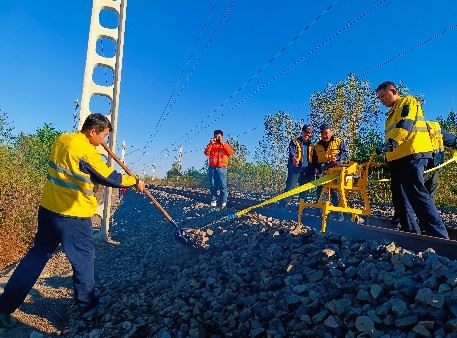
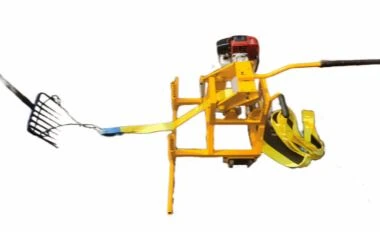
As a railway tamper supplier, we offer a wide range of products to meet different customer needs. Our YD - 22 Hydraulic Rail Tamping Machine is a state - of - the - art hydraulic tamper that combines high performance with reliability. It is suitable for various large - scale railway projects. For those who need a more portable solution, our pneumatic tampers can provide an efficient and cost - effective option.
In addition, we also offer other related products such as the Internal Combustion Slope Protection Shaping Machine, which can be used in conjunction with railway tampers for comprehensive railway maintenance. And if you are in the market for a railway tamper, our Railroad Tamper For Sale page provides detailed information about our available products.
If you are involved in railway construction or maintenance and are considering purchasing a railway tamper, I encourage you to contact us. We have a team of experts who can provide you with in - depth product information and help you choose the most suitable tamper for your project. Whether it's a pneumatic or hydraulic tamper, we can ensure that you get a high - quality product that meets your requirements.
References
- "Railway Track Maintenance Handbook", John Wiley & Sons
- "Principles of Pneumatic and Hydraulic Systems", McGraw - Hill Education
- Industry reports on railway maintenance equipment