




What safety precautions should be taken when using a Railway Cutter?
 Oct 10, 2025|
 When it comes to railway maintenance and construction, a railway cutter is an indispensable tool. As a reputable supplier of railway cutters and related equipment, I understand the importance of safety when operating these powerful machines. In this blog post, I will discuss the essential safety precautions that should be taken when using a railway cutter to ensure the well - being of operators and the success of the project.
1. Pre - operation Safety Checks
Before starting any work with a railway cutter, a thorough pre - operation inspection is crucial.
Machine Inspection
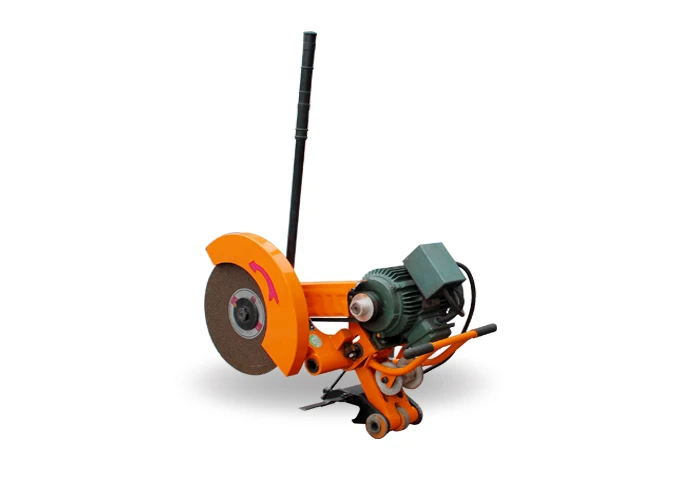
First, visually examine the entire railway cutter. Check for any signs of physical damage such as cracks, loose parts, or worn - out components. For example, the cutting blade should be in good condition, without chips or excessive wear. A damaged blade can not only lead to poor cutting performance but also pose a significant safety risk. If you are using our QG - 3II High Speed Electric Rail Cutting Machine, make sure to inspect its electrical wiring for any fraying or exposed wires. Faulty wiring can cause electrical shocks, which are extremely dangerous.
Lubrication and Fluid Levels
Proper lubrication is essential for the smooth operation of a railway cutter. Check the lubricant levels in the relevant parts, such as the motor bearings and the cutting mechanism. Low lubricant levels can lead to increased friction, overheating, and eventually, mechanical failure. Additionally, if your railway cutter uses hydraulic fluid, ensure that the fluid level is within the recommended range. Low hydraulic fluid can affect the cutter's lifting and cutting functions.
Personal Protective Equipment (PPE)
Operators must wear appropriate PPE at all times. This includes safety glasses to protect the eyes from flying debris, which is a common hazard during the cutting process. Ear protection is also necessary as railway cutters can produce high - decibel noise that can cause hearing damage over time. Gloves should be worn to protect the hands from sharp edges and hot surfaces. Steel - toed boots are a must to prevent foot injuries from falling objects or accidental impacts.
2. Operating the Railway Cutter
Secure the Work Area
The work area around the railway cutter should be clear of any obstacles. Ensure that there are no people or animals in the immediate vicinity of the cutter during operation. Set up warning signs to alert others to the ongoing work. If the work is being done on an active railway track, proper communication with the railway authorities is essential to ensure that trains are aware of the work and can take appropriate safety measures.
Correct Positioning of the Cutter
Place the railway cutter on a stable and level surface. If the cutter is not properly positioned, it can tip over during operation, causing serious injuries. Make sure that the cutter is firmly secured to the rail or the workbench, depending on the type of operation. For example, when using a handheld railway cutter, hold it firmly with both hands and keep a stable stance to maintain control.
Follow the Manufacturer's Instructions
Each railway cutter model has its own set of operating instructions. It is vital to read and understand these instructions thoroughly before starting the machine. For instance, the NGM - 4.8 Digital Display Rail Grinding Machine has specific operating procedures for its digital display and grinding functions. Ignoring the manufacturer's instructions can lead to improper use of the machine, which may result in accidents.
Cutting Speed and Pressure
Do not force the cutter to cut at a speed or with a pressure that is beyond its recommended capacity. Excessive speed or pressure can cause the blade to break or the motor to overheat. Let the cutter do the work at its designed pace. If you encounter resistance during cutting, stop the machine and check for any blockages or issues with the cutting material.
3. Post - operation Safety
Machine Shutdown
After completing the cutting operation, follow the proper shutdown procedure. Turn off the power switch of the railway cutter and allow the machine to cool down before performing any maintenance or cleaning. This helps prevent burns from hot components.
Cleaning and Maintenance
Regular cleaning and maintenance are essential for the longevity and safety of the railway cutter. Remove any debris or dust from the cutter using a brush or compressed air. Wipe down the surfaces to prevent the accumulation of dirt, which can affect the machine's performance. Check the cutting blade for any remaining debris and clean it carefully. If necessary, sharpen or replace the blade according to the manufacturer's recommendations.
Storage
Store the railway cutter in a dry and secure place. If the cutter is to be stored for an extended period, protect it from moisture and rust. For example, you can cover the cutter with a protective tarp. Make sure that the storage area is out of reach of unauthorized personnel, especially children.
4. Training and Certification
Operator Training
All operators should receive comprehensive training on the safe use of railway cutters. Training should cover pre - operation checks, operating procedures, post - operation maintenance, and emergency response. Our company provides training programs for operators who purchase our railway cutters. This ensures that they are well - equipped with the knowledge and skills to operate the machines safely.
Certification
Obtaining relevant certifications for operating railway cutters is highly recommended. Certification programs usually involve theoretical knowledge and practical skills assessments. Having a certified operator on the job not only enhances safety but also demonstrates compliance with industry standards.
5. Emergency Preparedness
First - Aid Kit
Keep a well - stocked first - aid kit in the work area. In case of minor injuries such as cuts or burns, immediate first - aid treatment can prevent the situation from worsening. Make sure that all operators are trained in basic first - aid procedures.
Fire Safety
Railway cutters, especially those with electrical or combustion engines, pose a fire risk. Have fire extinguishers readily available in the work area. Train operators on how to use the fire extinguishers effectively. In case of a fire, follow the appropriate emergency evacuation procedures.
Emergency Stop Procedures
All operators should be familiar with the emergency stop procedures of the railway cutter. In case of an emergency, such as a malfunction or an imminent danger, they should be able to quickly stop the machine to prevent further damage or injury.
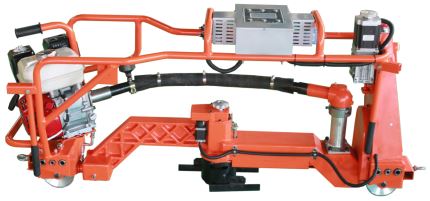
In conclusion, safety should always be the top priority when using a railway cutter. By following these safety precautions, operators can minimize the risk of accidents and ensure the efficient and safe operation of the machine. As a leading supplier of railway cutters, we are committed to providing high - quality products and comprehensive support to our customers. If you are in the market for a reliable railway cutter or related equipment such as the Internal Combustion Rail Grinding Machine Rail Grinder, we invite you to contact us for more information and to discuss your specific needs. Our team of experts is ready to assist you in making the right choice for your railway maintenance and construction projects.
References
- Railway Equipment Manufacturer's Manuals
- Occupational Safety and Health Administration (OSHA) Guidelines for Heavy Machinery Operation
- Industry Standards for Railway Maintenance Equipment Safety