




What is the body material of a track car?
 Oct 10, 2025|
 Hey there, fellow track enthusiasts! As a track car supplier, I often get asked about the body materials of track cars. It's a super important topic because the body material can significantly impact a track car's performance, durability, and cost. So, let's dive right in and explore what goes into making the body of a track car.
Steel: The Classic Choice
Steel has been a staple in the automotive industry for ages, and track cars are no exception. It's strong, relatively inexpensive, and easy to work with. There are different types of steel used in track car bodies, like mild steel and high-strength steel.
Mild steel is the more basic form. It's malleable, which means it can be easily shaped into different parts of the car body. You can bend it, weld it, and cut it without too much hassle. This makes it a great choice for custom track car builds. However, it's also heavier compared to some other materials. And in the world of track cars, weight is the enemy. Every extra pound can slow you down and reduce your acceleration.
High-strength steel, on the other hand, offers a better strength-to-weight ratio. It's stronger than mild steel, so you can use thinner sheets to achieve the same level of strength. This helps in reducing the overall weight of the car. Many modern track cars use high-strength steel in critical areas like the chassis to provide structural integrity while keeping the weight in check.
Aluminum: Lightweight and Corrosion-Resistant
Aluminum is another popular choice for track car bodies. It's about one-third the weight of steel, which is a huge advantage when it comes to performance. A lighter car can accelerate faster, brake more effectively, and handle better around corners.
One of the great things about aluminum is its corrosion resistance. Unlike steel, it doesn't rust easily. This means your track car will stay looking good for longer, even if it's exposed to the elements. However, aluminum is more expensive than steel, and it can be a bit more challenging to work with. Welding aluminum requires special equipment and skills, so repairs and modifications can be costly.
Many high-performance track cars use aluminum alloy for their bodies. These alloys are a combination of aluminum and other metals like copper, magnesium, or zinc. The addition of these metals enhances the strength and stiffness of the aluminum, making it suitable for the demanding conditions of track racing.

Carbon Fiber: The High-End Option
Carbon fiber is the holy grail of track car body materials. It's incredibly lightweight, strong, and stiff. In fact, it has a much better strength-to-weight ratio than both steel and aluminum. A track car with a carbon fiber body can be significantly lighter than one made of steel or aluminum, which translates to better performance in every aspect.
Carbon fiber is made up of long, thin strands of carbon atoms that are woven together and then bonded with a resin. This process creates a material that is both strong and flexible. It can withstand high levels of stress and impact without breaking or deforming.
However, carbon fiber comes at a price. It's extremely expensive to produce, which makes track cars with carbon fiber bodies much more costly. The manufacturing process is also complex and time-consuming. Each carbon fiber part has to be carefully laid up and cured in a mold, which requires a high level of skill and precision.
Despite the high cost, many top-tier track cars and racing teams use carbon fiber for its performance benefits. It's often used in areas where weight reduction is crucial, like the body panels, spoilers, and diffusers.
Other Materials
There are also some other materials that are sometimes used in track car bodies. For example, fiberglass is a lightweight and relatively inexpensive option. It can be molded into complex shapes, which makes it suitable for custom bodywork. However, it's not as strong as steel, aluminum, or carbon fiber, so it may not be suitable for high-stress areas.
Plastics are another option. Some track cars use plastic body panels for their lightweight and cost-effective nature. However, plastics may not have the same level of durability as other materials, and they can be prone to cracking and fading over time.
Our Track Car Offerings
At our company, we offer a variety of track cars with different body materials to suit your needs and budget. If you're looking for a more affordable option, our cars with steel or aluminum bodies are a great choice. They offer a good balance of performance and cost.
For those who are willing to invest in top-of-the-line performance, our cars with carbon fiber bodies are the way to go. They provide the ultimate in lightweight construction and high-performance capabilities.
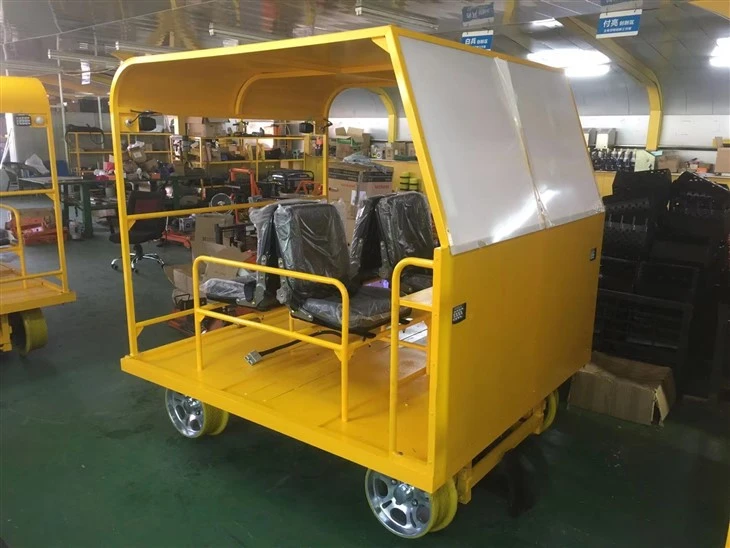
We also have some specialized track cars, like the Battery Rail Trolley, which is designed for specific applications. This trolley is powered by a battery and is perfect for transporting goods on tracks. It's built with a durable body material that can withstand the rigors of daily use.
Another option is the Railway Ballast Transporting Vehicle. This vehicle is used for transporting railway ballast, which is essential for maintaining the stability of railway tracks. It's designed to be strong and reliable, with a body material that can handle the heavy loads.
If you have specific requirements for your track car, we also offer Customized Battery Rail Track Trolley. You can choose the body material, size, and features according to your needs. Our team of experts will work with you to create a track car that meets your exact specifications.
Contact Us for Purchasing
If you're interested in purchasing a track car or have any questions about our products, we'd love to hear from you. Whether you're a professional racing team or an individual enthusiast, we have the right track car for you. Contact us today to start the purchasing process and get ready to hit the track with a high-performance vehicle.
References
- Automotive Materials Handbook: Properties, Processes, and Applications by ASM International
- Carbon Fiber Composites in Automotive Applications by Springer
- Aluminum Alloys for Automotive Applications by SAE International