




How does a rail tamper work in areas with heavy snowfall?
 Oct 28, 2025|
 In regions with heavy snowfall, the proper functioning of railway tracks is crucial for maintaining efficient and safe transportation. Rail tamper, an essential piece of equipment in railway maintenance, plays a significant role in ensuring the stability and safety of tracks even in such harsh weather conditions. As a rail tamper supplier, I am well - versed in how these machines operate in heavy - snow areas.
The Impact of Heavy Snow on Railway Tracks
Heavy snowfall can have several adverse effects on railway tracks. Firstly, the weight of the snow can put additional stress on the tracks, potentially causing them to shift or deform. Snow can also accumulate in the ballast, the crushed stone or gravel that supports the tracks. This accumulation can lead to poor drainage, which in turn may cause the ballast to become saturated with water. When the water freezes in cold temperatures, it expands, further disrupting the ballast's structure and potentially misaligning the tracks.
Moreover, snow can cover the tracks, making it difficult to visually inspect them for any signs of damage or misalignment. This lack of visibility can delay the detection of problems, which may lead to more severe issues if not addressed promptly.
How Rail Tampers Work in General
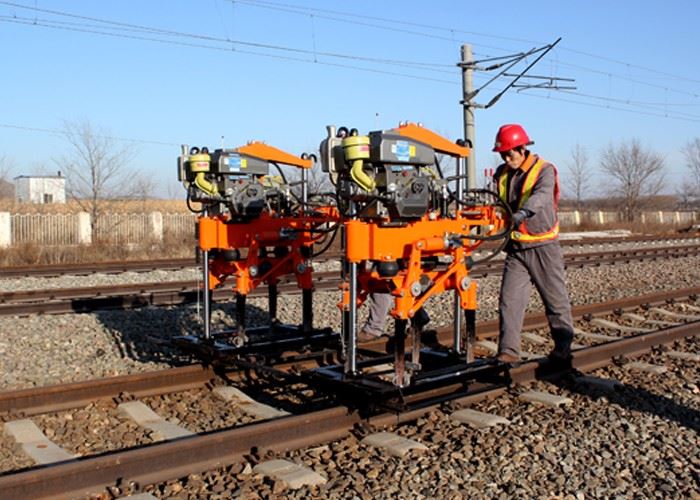
Before delving into how rail tampers work in heavy - snow areas, it is important to understand their basic operation. A Railroad Tamper is designed to compact the ballast beneath the railway tracks. This compaction helps to maintain the correct alignment and level of the tracks, ensuring a smooth and safe ride for trains.
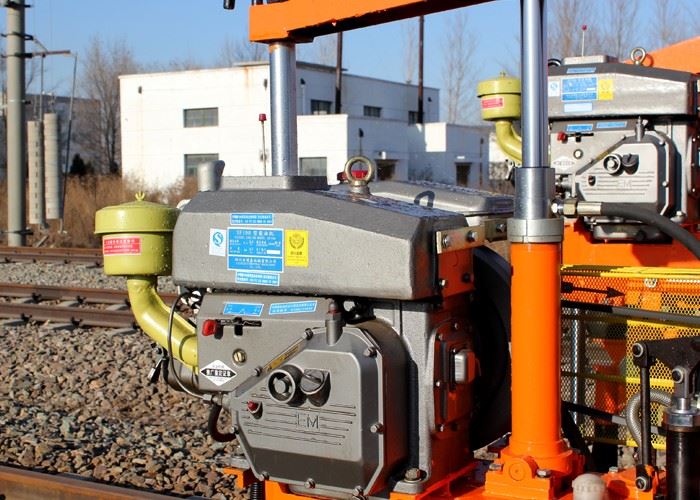
The typical rail tamper consists of a set of tamping tools, which are inserted into the ballast on either side of the rail. These tools are usually hydraulically powered and can move in a vibrating or oscillating motion. As the tools vibrate, they penetrate the ballast, rearranging the stones and compacting them around the sleepers (ties). This process increases the stability of the tracks and reduces the likelihood of track movement.
Adapting Rail Tampers for Heavy - Snow Areas
In areas with heavy snowfall, rail tampers need to be adapted to overcome the challenges posed by the snow. One of the primary adaptations is the addition of snow - clearing mechanisms. Many modern Rail Tamper models are equipped with snow plows or blowers at the front of the machine. These devices clear the snow from the tracks and the ballast area before the tamping process begins. This ensures that the tamping tools can reach the ballast without being obstructed by snow.
Another important adaptation is the use of more powerful hydraulic systems. In cold weather, the viscosity of hydraulic fluids can increase, which may reduce the efficiency of the tamping tools. To counter this, rail tampers in heavy - snow areas are often equipped with high - performance hydraulic pumps and heaters to maintain the optimal temperature of the hydraulic fluid. This ensures that the tamping tools can operate at full capacity, even in freezing conditions.
The tamping tools themselves may also be modified for heavy - snow operation. They are often made from more durable materials to withstand the additional wear and tear caused by the snow and ice. Some tamping tools are designed with special coatings to prevent snow and ice from sticking to them, which could otherwise impede their movement.
The Tamping Process in Heavy - Snow Areas
The tamping process in heavy - snow areas begins with the snow - clearing operation. The snow plow or blower at the front of the rail tamper clears a path along the tracks, removing as much snow as possible from the ballast area. This is a crucial step, as any remaining snow can interfere with the tamping process and prevent the ballast from being properly compacted.
Once the snow is cleared, the rail tamper moves into position over the area to be tamped. The tamping tools are then lowered into the ballast on either side of the rail. As the tools start to vibrate, they penetrate the ballast, breaking up any ice or frozen clumps that may have formed. The vibrating motion also helps to rearrange the ballast stones, allowing them to settle more tightly around the sleepers.
During the tamping process, the rail tamper may need to make multiple passes over the same area to ensure that the ballast is adequately compacted. In heavy - snow areas, it is often necessary to tamp the ballast more thoroughly than in normal conditions, as the snow and ice can cause the ballast to become more loose and unstable.
Monitoring and Quality Control
In heavy - snow areas, monitoring and quality control are essential to ensure that the tamping process is effective. Rail tamper operators use a variety of sensors and monitoring devices to measure the compaction level of the ballast and the alignment of the tracks. These devices can detect any deviations from the desired specifications, allowing the operator to make adjustments as needed.
For example, some rail tampers are equipped with laser - based alignment systems that can accurately measure the height and position of the tracks. This information is used to ensure that the tracks are properly aligned and level after the tamping process. In addition, load cells and pressure sensors can be used to measure the force applied by the tamping tools, ensuring that the ballast is being compacted to the correct density.
Maintenance of Rail Tampers in Heavy - Snow Areas
Proper maintenance of rail tampers is crucial in heavy - snow areas. The snow and ice can cause significant wear and tear on the machine, and regular maintenance is required to keep it in good working condition.
After each use, the rail tamper should be thoroughly cleaned to remove any snow, ice, or ballast debris. This helps to prevent corrosion and damage to the machine's components. The hydraulic system should also be checked regularly for leaks and proper fluid levels, and the tamping tools should be inspected for signs of wear or damage.
In addition, the snow - clearing mechanisms, such as the snow plows and blowers, need to be maintained to ensure their effectiveness. This may involve sharpening the blades of the snow plow or replacing worn - out parts in the blower.
The Role of Technology in Improving Rail Tamper Performance in Heavy - Snow Areas
Advancements in technology have played a significant role in improving the performance of rail tampers in heavy - snow areas. For example, the use of intelligent control systems allows rail tamper operators to adjust the tamping process based on real - time data. These systems can take into account factors such as the depth of the snow, the temperature, and the condition of the ballast, and automatically adjust the tamping force and frequency accordingly.
Another technological advancement is the development of remote - monitoring systems. These systems allow maintenance crews to monitor the performance of the rail tamper from a remote location. They can receive real - time data on the machine's operation, such as the compaction level of the ballast and the temperature of the hydraulic fluid. This enables them to detect and address any potential problems before they become serious.
Conclusion
In conclusion, rail tampers play a vital role in maintaining the stability and safety of railway tracks in areas with heavy snowfall. By adapting these machines to overcome the challenges posed by the snow and ice, and by using advanced technology to improve their performance, we can ensure that railway tracks remain in good condition even in the harshest winter conditions.
As a Rail Tamper supplier, we are committed to providing high - quality rail tampers that are designed to operate effectively in heavy - snow areas. Our Hydraulic Ballast Tamping Machine YD - 22 For Railway is a prime example of our dedication to innovation and quality. If you are in need of a reliable rail tamper for your railway maintenance needs, especially in heavy - snow areas, please feel free to contact us for more information and to discuss your specific requirements. We look forward to working with you to ensure the smooth and safe operation of your railway tracks.
References
- Professional literature on railway engineering and maintenance
- Manufacturer's manuals for rail tampers
- Industry reports on railway maintenance in cold climates