




How does a railroad tamper affect the track geometry?
 Dec 03, 2025|
 As a supplier of railroad tampers, I've witnessed firsthand the crucial role these machines play in maintaining and enhancing track geometry. Track geometry is the backbone of a safe and efficient railway system, encompassing factors such as gauge, alignment, cross - level, and surface irregularities. In this blog, I'll delve into how railroad tampers impact track geometry and why they are indispensable for railway infrastructure.
Understanding Track Geometry
Before we explore the influence of railroad tampers, it's essential to understand the key components of track geometry. The gauge is the distance between the inner faces of the two rails. A consistent gauge is vital for the safe passage of trains, as an incorrect gauge can lead to derailments. Alignment refers to the horizontal and vertical positioning of the track. Horizontal alignment ensures that the track follows the intended path, while vertical alignment manages the elevation changes along the track. Cross - level, also known as surface irregularities, is the difference in height between the two rails at a given point. Uneven cross - levels can cause excessive wear on the wheels and rails, as well as discomfort for passengers.
The Function of a Railroad Tamper
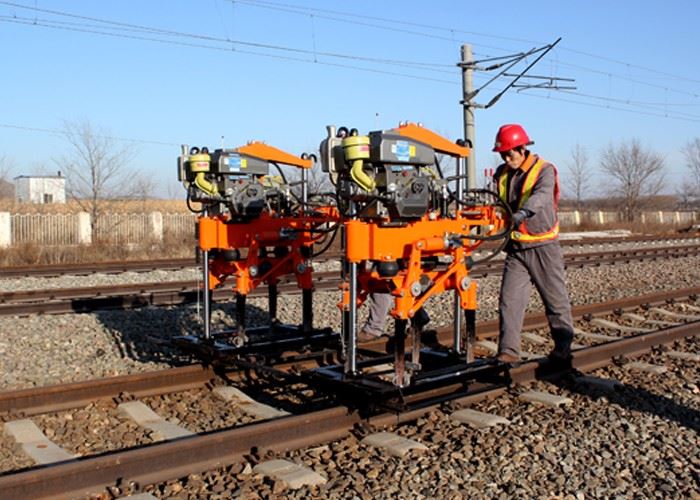
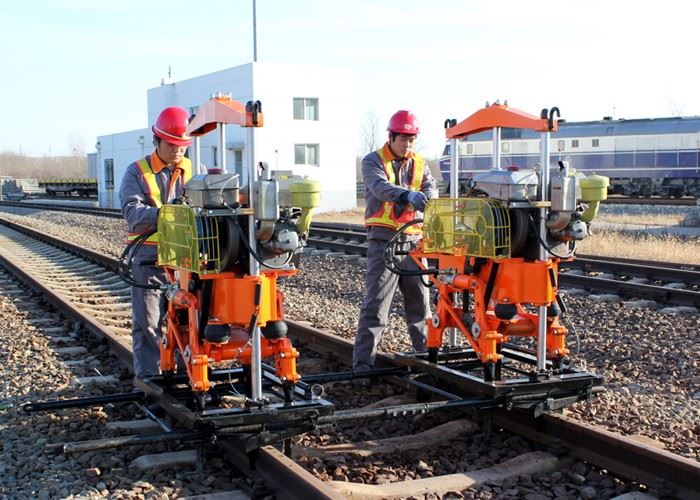
A railroad tamper is a specialized machine designed to pack the ballast (the crushed stone or gravel beneath the sleepers) around the sleepers. This packing process is crucial because it provides support and stability to the track structure. When a train passes over the track, it exerts significant forces on the rails and sleepers. Without proper ballast support, these forces can cause the sleepers to shift, leading to changes in track geometry.
Gauge Adjustment
One of the primary ways a railroad tamper affects track geometry is through gauge adjustment. Modern railroad tampers are equipped with advanced sensors and control systems that can precisely measure the gauge. If the gauge is found to be outside the acceptable tolerance, the tamper can make the necessary adjustments. For example, some railroad tampers, like the Hydraulic Ballast Tamping Machine YD - 22 For Railway, have hydraulic systems that can push or pull the rails to correct the gauge. This ensures that the gauge remains within the safe operating range, reducing the risk of derailments.
Alignment Improvement
In terms of alignment, railroad tampers are equally effective. They can correct both horizontal and vertical alignment issues. For horizontal alignment, the tamper can use its tamping tools to shift the sleepers and rails to the correct position. By packing the ballast more densely on one side of the sleeper, the tamper can gradually move the rail in the desired direction. In the case of vertical alignment, the tamper can adjust the elevation of the sleepers. If a section of the track is too low, the tamper can lift the sleeper by packing more ballast beneath it. Conversely, if the track is too high, the tamper can remove some ballast to lower the sleeper. The YD - 22Ⅲ Intelligent Rail Tamping Machine Unit is an excellent example of a tamper that can perform these alignment adjustments with high precision, thanks to its intelligent control system.
Cross - Level Correction
Cross - level irregularities can be effectively addressed by railroad tampers. The machine can measure the difference in height between the two rails and then use its tamping tools to level the ballast. By packing more ballast under the lower rail, the tamper can bring the cross - level back to the desired specification. This not only improves the safety of the track but also enhances the ride quality for passengers.
The Impact of Regular Tamping on Track Geometry
Regular tamping using a railroad tamper has a long - term positive impact on track geometry. Over time, the constant passage of trains can cause the ballast to become loose and the sleepers to shift. This leads to gradual deterioration of track geometry. By conducting regular tamping operations, railway operators can prevent these issues from becoming severe.
Reducing Wear and Tear
Properly maintained track geometry reduces wear and tear on both the wheels and rails. When the track has a consistent gauge, alignment, and cross - level, the wheels roll smoothly over the rails. This reduces the friction and stress on the contact surfaces, extending the lifespan of the wheels and rails. As a result, railway operators can save on maintenance and replacement costs.
Enhancing Safety
Safety is the top priority in the railway industry. A railroad tamper helps ensure that the track geometry meets the strict safety standards. By correcting any deviations in gauge, alignment, and cross - level, the tamper reduces the risk of derailments and other safety incidents. This is especially important for high - speed railways, where even small changes in track geometry can have significant consequences.
Improving Operational Efficiency
Well - maintained track geometry also improves operational efficiency. Trains can travel at higher speeds with less vibration and noise when the track is in good condition. This allows for more frequent and reliable train services, increasing the overall capacity of the railway network.
Choosing the Right Railroad Tamper
As a supplier of Railroad Tamper, I understand the importance of choosing the right machine for the job. Different railway lines have different requirements, depending on factors such as train speed, traffic volume, and track conditions.
Consider the Track Type
For heavy - haul railways, which carry large amounts of freight, a more powerful and robust railroad tamper is needed. These tampers should be able to handle the high forces exerted by the heavy trains and pack the ballast tightly to maintain track stability. On the other hand, light - rail systems may require a more compact and maneuverable tamper.
Evaluate the Features
When selecting a railroad tamper, it's important to evaluate the features it offers. Look for tampers with advanced sensors and control systems that can provide accurate measurements and precise adjustments. Some tampers also come with additional features such as automatic ballast distribution and self - diagnostic capabilities, which can further improve the efficiency of the tamping process.
Contact Us for Your Railroad Tamper Needs
If you're in the market for a high - quality railroad tamper, we're here to help. Our range of railroad tampers, including the Hydraulic Ballast Tamping Machine YD - 22 For Railway and YD - 22Ⅲ Intelligent Rail Tamping Machine Unit, are designed to meet the diverse needs of railway operators. We have a team of experts who can provide you with professional advice and guidance on choosing the right machine for your specific requirements. Contact us today to start a discussion about your railroad tamper procurement and let's work together to ensure the safety and efficiency of your railway tracks.
References
- American Railway Engineering and Maintenance - of - Way Association (AREMA). "Track Material and Construction Manual."
- International Union of Railways (UIC). "Track Geometry Standards and Maintenance Guidelines."
- Railway Technical Research Institute (RTRI). "Research on the Impact of Track Geometry on Train Operation."