




What is the signaling system for railway cars?
 Dec 03, 2025|
 Hey there! As a supplier of railway cars, I've been in the thick of the railway industry for quite some time. One question that often pops up is, "What is the signaling system for railway cars?" Well, let's dive right in and break it down.
First off, the signaling system for railway cars is like the traffic lights and road signs of the railway world. It's a crucial part of keeping trains running safely and efficiently. Without a proper signaling system, trains would be like cars on a busy road without any rules – chaos would ensue!
There are different types of signaling systems, and they've evolved a lot over the years. In the early days of railways, simple semaphore signals were used. These were basically large arms that could be moved into different positions to indicate whether a train could proceed, slow down, or stop. They were visible from a distance and were a reliable way to communicate basic instructions to train drivers.
But as railways became more complex and the volume of traffic increased, more advanced signaling systems were needed. One of the most common modern signaling systems is the color - light signal. These use different colored lights, such as red, yellow, and green, to convey messages to train drivers. A red light means stop, a yellow light usually means prepare to stop, and a green light means go. It's a simple and effective way to communicate, and it's used all over the world.
Another important aspect of the signaling system is the use of track circuits. Track circuits are electrical circuits that run along the railway tracks. They can detect the presence of a train on a particular section of track. When a train enters a section of track, it completes the electrical circuit, which then sends a signal to the signaling system. This allows the system to know where trains are located at all times and prevent collisions.
There are also more advanced signaling systems like the Automatic Train Control (ATC) and the European Train Control System (ETCS). These systems use a combination of track - side equipment and on - board equipment on the trains. They can automatically control the speed of the train, apply the brakes if necessary, and provide real - time information to the train driver. For example, if a train is approaching a section of track where the speed limit is lower, the ATC system can automatically slow the train down to the appropriate speed.
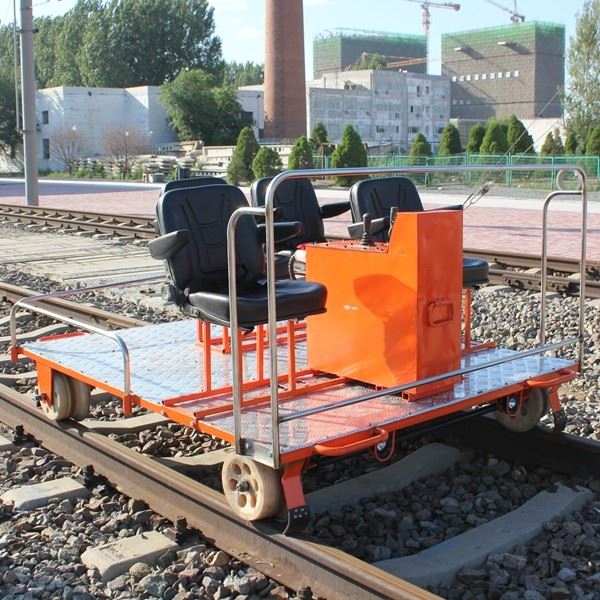
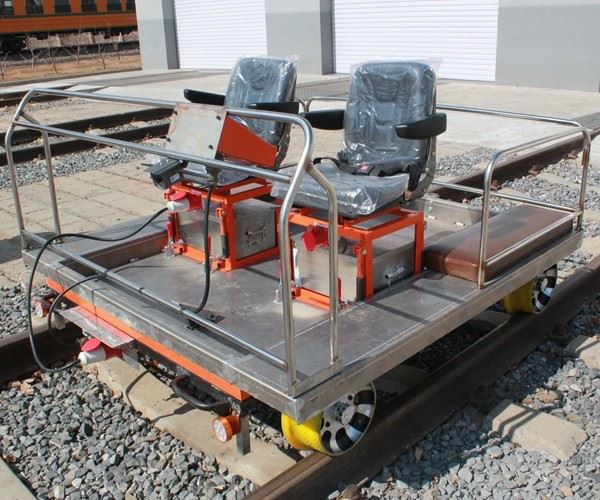
Now, let's talk about how our railway car products fit into all of this. We offer a wide range of railway cars that are designed to work seamlessly with different signaling systems. For instance, our Customized Li - battery Aluminium Alloy Railway Track Trolley 2seat/4seat is a great option for short - distance track inspections. It's lightweight, easy to maneuver, and can be equipped with the necessary on - board equipment to communicate with the signaling system. This ensures that it can operate safely on the tracks, following all the rules set by the signaling system.
Our Rail Ultrasonic Flaw Detector is another important product. It's used to detect flaws in the railway tracks. By working in harmony with the signaling system, it can safely access different sections of the track for inspection. The signaling system can ensure that the flaw detector has clear access to the track and that other trains are aware of its presence.
And then there's our Track Replacement Vehicle. This heavy - duty vehicle is used for replacing damaged railway tracks. It needs to operate in a coordinated way with the signaling system to ensure that it can work safely on the tracks without causing disruptions to other train traffic. The signaling system can manage the movement of the track replacement vehicle and other trains in the area to prevent any accidents.
In conclusion, the signaling system for railway cars is a complex but essential part of the railway industry. It ensures the safety and efficiency of train operations. At our company, we understand the importance of this system, and our railway car products are designed to work in harmony with it. If you're in the market for high - quality railway cars that can integrate well with your existing signaling system, we'd love to have a chat with you. Whether you're looking for a small track trolley or a large track replacement vehicle, we've got you covered. So, don't hesitate to reach out for a purchase negotiation. We're here to provide you with the best railway car solutions!
References
- Smith, J. (2018). Railway Signaling Systems: A Comprehensive Guide. Railway Industry Press.
- Johnson, R. (2020). Modern Railway Technology and Signaling. Tech World Publications.