




How does a Railway Driller work in desert railway areas?
 Aug 27, 2025|
 Hey there! As a supplier of Railway Drillers, I'm stoked to take you on a journey and show you how these bad boys work in desert railway areas. It's a wild ride, let me tell you, but these machines are built to handle the tough conditions.
First off, let's talk about the challenges of working in the desert. The heat is no joke. Temperatures can soar way above 100 degrees Fahrenheit during the day, and that can take a toll on both the equipment and the workers. The sand is another big issue. It gets everywhere, and if it gets into the moving parts of the Railway Driller, it can cause some serious problems. But don't worry, our Railway Drillers are designed to deal with these challenges head - on.
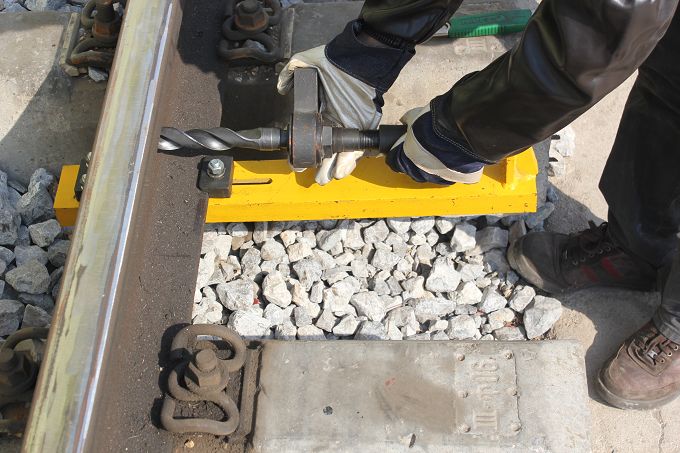
So, how does a Railway Driller actually work? Well, it all starts with the setup. Before we can start drilling, we need to make sure the machine is properly positioned on the railway track. This involves using special clamps and alignment tools to ensure that the drill is exactly where it needs to be. It's a precise process, because even a small misalignment can lead to holes that are not straight or at the right depth.
Once the machine is set up, it's time to power it on. Our Railway Drillers are usually powered by either gasoline engines or electric motors. In the desert, gasoline engines are often a popular choice because they are more portable and don't rely on a fixed power source. The engine provides the power needed to turn the drill bit.
The drill bit is the heart of the operation. It's made of super - hard materials like tungsten carbide, which can cut through the tough steel of the railway track. As the drill bit spins, it starts to penetrate the track. The operator has to carefully control the speed and pressure of the drill. Too much pressure can break the drill bit, and too little won't get the job done.
In desert railway areas, we also have to be extra careful about dust. The sand and dust in the air can cause respiratory problems for the workers, and it can also damage the drill. That's why we use dust collection systems. These systems suck up the dust as the drill is working, keeping the air clean and protecting the equipment.
Now, let's talk about some of the other tools that work hand - in - hand with the Railway Driller. One of them is the DJQ - I Single - side Rail Chamfering Device. This device is used to create a bevel or chamfer on the edges of the holes drilled by the Railway Driller. It's important because it helps to prevent the edges of the holes from cracking or chipping.
Another important tool is the Railroad Tamping Machine. After the holes are drilled and the railway ties are installed, the tamping machine is used to pack the ballast (the gravel or crushed stone under the tracks) tightly around the ties. This helps to keep the tracks stable and level.
And then there's the SBZ - 31 Easy Operational Manual Rail Drilling Machine. This is a great option for smaller projects or areas where a more portable drill is needed. It's easy to operate, even for less - experienced workers, and it can still get the job done efficiently.
Maintaining these machines in the desert is crucial. We have a regular maintenance schedule that includes checking the engine, lubricating the moving parts, and inspecting the drill bits. The sand and heat can wear out the parts faster, so we have to be proactive. We also keep a stock of spare parts on hand, just in case something breaks down.
One of the things that makes our Railway Drillers stand out is their durability. They are built to last in the harsh desert environment. We use high - quality materials and advanced manufacturing techniques to ensure that they can withstand the heat, sand, and constant use.
The operators of these machines are also a key part of the process. They undergo extensive training to learn how to operate the machines safely and effectively. They know how to deal with the unique challenges of working in the desert, like the heat and the sand. They are also trained to troubleshoot any problems that might arise during the drilling process.
In addition to the technical aspects, we also have to consider the environmental impact. We try to minimize our impact on the desert ecosystem as much as possible. For example, we use biodegradable lubricants in our machines, and we make sure to clean up any spills or debris.
When it comes to the future of Railway Drillers in desert railway areas, we're looking at some exciting developments. We're working on improving the energy efficiency of our machines, which will not only save costs but also reduce our carbon footprint. We're also exploring the use of new materials for drill bits that can cut even more efficiently and last longer.
If you're in the market for a Railway Driller or any of the related tools we've talked about, we'd love to hear from you. Whether you're working on a small local railway project or a large - scale desert railway expansion, our products are designed to meet your needs. We can provide you with detailed information about our machines, their features, and how they can work in your specific situation. So, don't hesitate to reach out and start a conversation about your procurement needs.
References

- Industry knowledge and experience as a Railway Driller supplier
- Technical manuals of Railway Drillers and related tools