




How to overcome the challenges of deep - hole drilling with a rail drill?
 Aug 28, 2025|
 Hey there! As a supplier of rail drills, I've seen firsthand the challenges that come with deep - hole drilling using these machines. Deep - hole drilling is a critical process in many railway construction and maintenance projects, but it's not without its hurdles. In this blog, I'll share some tips on how to overcome those challenges and get the most out of your rail drill.
Understanding the Challenges of Deep - Hole Drilling with a Rail Drill
First off, let's talk about what makes deep - hole drilling so tough. When you're drilling deep holes in rails, you're dealing with high - strength materials. Rails are made of steel, which is incredibly hard and can quickly wear down drill bits. The longer the hole you're trying to drill, the more heat is generated due to friction. This heat can not only damage the drill bit but also affect the integrity of the rail itself.
Another challenge is chip evacuation. As you drill, the chips need to be removed from the hole to prevent clogging. In deep - hole drilling, it's harder for the chips to escape, and if they accumulate, they can cause the drill bit to break or reduce the quality of the hole.
Selecting the Right Drill Bit
One of the keys to successful deep - hole drilling is choosing the right drill bit. You want a bit that's made from high - quality materials and designed for the specific type of rail you're working with. Carbide - tipped drill bits are a great option because they're extremely hard and can withstand the high temperatures and pressures associated with deep - hole drilling.
When selecting a drill bit, consider its geometry. Bits with a proper flute design can help with chip evacuation. For example, a drill bit with wide flutes allows chips to flow out of the hole more easily. Also, look for bits with a sharp point. A sharp point helps the bit start the hole accurately and reduces the amount of force needed to begin drilling.
Controlling the Drilling Speed and Feed Rate
The speed at which you drill and the feed rate (how fast the drill bit moves into the material) are crucial factors in deep - hole drilling. If you drill too fast, you'll generate too much heat, which can damage the drill bit and the rail. On the other hand, if you drill too slowly, the process will be inefficient, and the drill bit may not cut through the material cleanly.
A good rule of thumb is to start with a slower speed and gradually increase it as you get deeper into the hole. The feed rate should also be adjusted based on the type of rail and the drill bit you're using. You can refer to the manufacturer's guidelines for recommended speed and feed rates, but you may need to make some adjustments based on your actual drilling conditions.
Using Coolants and Lubricants
Coolants and lubricants play a vital role in deep - hole drilling. They help reduce heat by dissipating it away from the drill bit and the rail. This not only extends the life of the drill bit but also improves the quality of the hole.
There are different types of coolants and lubricants available. Water - based coolants are commonly used because they're cost - effective and environmentally friendly. They can also help with chip evacuation by flushing the chips out of the hole. Oil - based lubricants, on the other hand, provide better lubrication and can reduce friction even further.
When using coolants and lubricants, make sure to apply them directly to the drill bit and the hole. You can use a coolant system that sprays the coolant onto the drilling area or a lubricant dispenser that applies the lubricant as needed.
Ensuring Proper Machine Setup
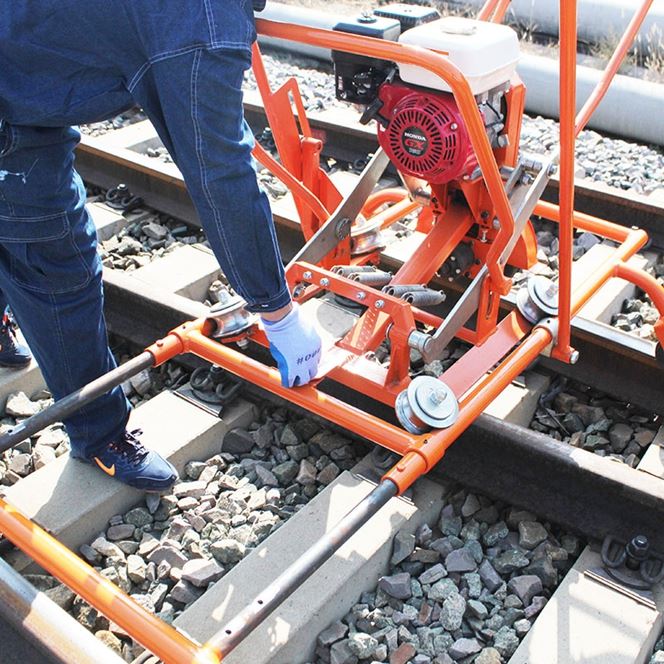
Before you start drilling, it's essential to set up your rail drill correctly. Make sure the drill is securely mounted on the rail to prevent any movement during the drilling process. A loose drill can cause inaccurate holes and increase the risk of the drill bit breaking.
Check the alignment of the drill bit. It should be perfectly perpendicular to the surface of the rail. You can use alignment tools to ensure accurate alignment. Also, make sure the drill's spindle is in good condition and running smoothly. Any vibration or misalignment in the spindle can affect the quality of the hole.
Monitoring the Drilling Process
Once you start drilling, keep a close eye on the process. Pay attention to the sound of the drill. If you hear any unusual noises, such as grinding or screeching, it could be a sign that something is wrong. Stop the drilling immediately and check for issues like a dull drill bit, clogged chips, or misalignment.
Monitor the temperature of the drill bit and the rail. You can use an infrared thermometer to measure the temperature. If the temperature gets too high, stop drilling and allow the drill bit and the rail to cool down. You may also need to adjust the drilling speed, feed rate, or coolant/lubricant application.
Additional Equipment for Better Results
In addition to the rail drill itself, there are some other pieces of equipment that can help you overcome the challenges of deep - hole drilling. For example, a Rail Switch Grinding Machine can be used to prepare the surface of the rail before drilling. This can ensure a more even and stable drilling surface, which can improve the accuracy of the holes.
A Rail Grinding Robot can also be beneficial. It can be used to grind the edges of the holes after drilling to remove any burrs or rough edges, improving the overall quality of the drilled holes.
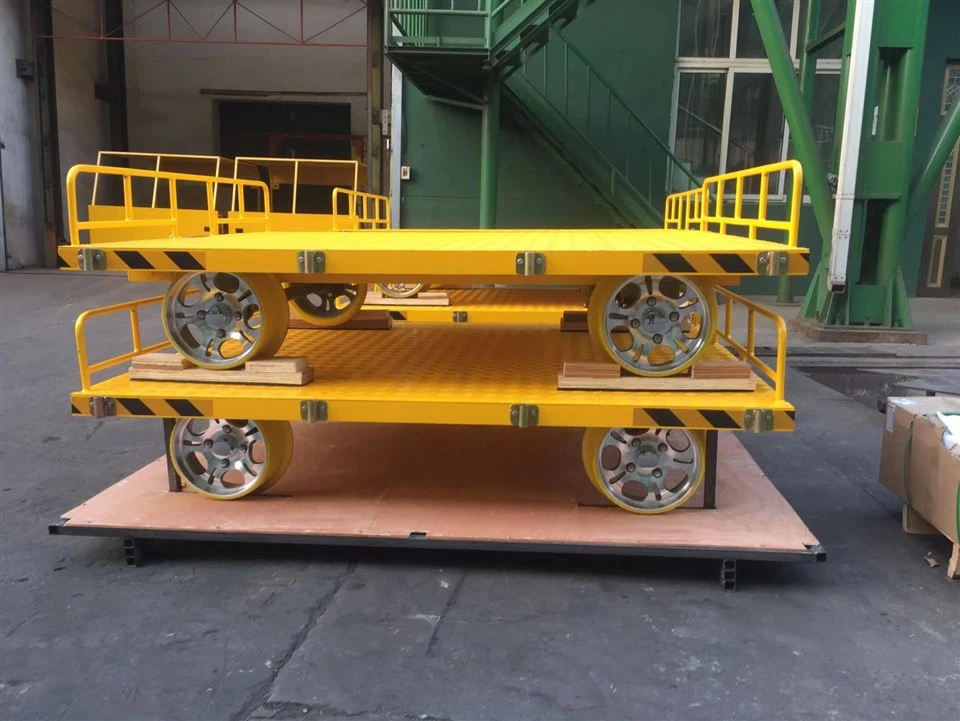
An Insulated Customized Rail Trailer can be useful for transporting your rail drill and other equipment to different job sites. It provides a safe and convenient way to move your tools around, especially in remote or difficult - to - access areas.
Conclusion
Deep - hole drilling with a rail drill can be challenging, but by following these tips, you can overcome those challenges and achieve great results. Select the right drill bit, control the drilling speed and feed rate, use coolants and lubricants, ensure proper machine setup, and monitor the drilling process closely. Additionally, consider using additional equipment like the Rail Switch Grinding Machine, Rail Grinding Robot, and Insulated Customized Rail Trailer to enhance your drilling operations.
If you're in the market for a high - quality rail drill or any of the related equipment, we're here to help. We offer a wide range of products that are designed to meet the needs of railway construction and maintenance projects. Contact us to start a conversation about your specific requirements and let's work together to find the best solutions for your deep - hole drilling challenges.
References
- Smith, J. (2018). Advanced Drilling Techniques for Railway Applications. Journal of Railway Engineering, 25(3), 123 - 135.
- Johnson, A. (2019). The Impact of Drill Bit Geometry on Deep - Hole Drilling in Rails. International Journal of Manufacturing Technology, 32(2), 89 - 98.
- Brown, K. (2020). Coolant and Lubricant Selection for Rail Drilling. Railway Maintenance Magazine, 45(6), 45 - 52.