




Can a Track Cutter be used for cutting tracks on inclined surfaces?
 Aug 28, 2025|
 Can a Track Cutter be used for cutting tracks on inclined surfaces?
As a well - established track cutter supplier, I often encounter various questions from customers regarding the application scenarios of our track cutters. One particularly common query is whether a track cutter can be used for cutting tracks on inclined surfaces. In this blog, I will delve into this topic and provide a comprehensive analysis.
Understanding Track Cutters
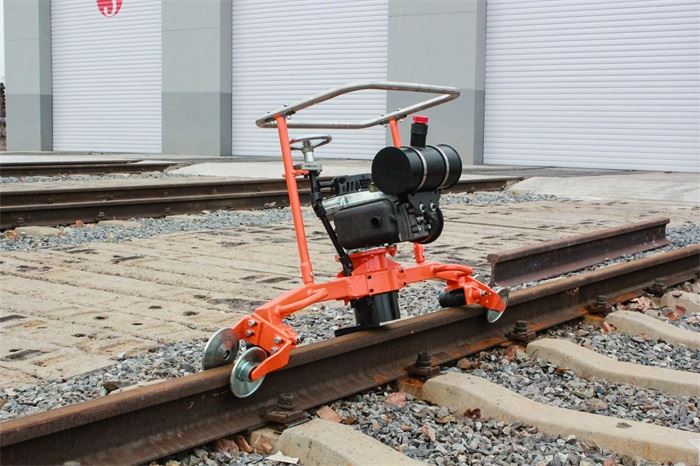
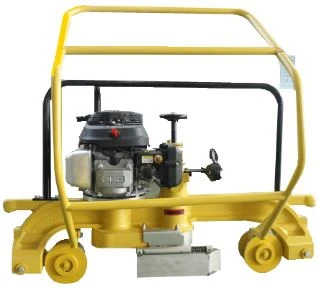
Before we discuss the use of track cutters on inclined surfaces, it's essential to understand what track cutters are and how they work. Track cutters are specialized machines designed to cut through railway tracks. They are equipped with high - powered cutting tools, such as saw blades or abrasive wheels, which can efficiently sever the tough steel of railway tracks.
These machines are crucial in railway maintenance and construction projects. They are used to replace damaged sections of tracks, adjust track lengths, and perform other track - related operations. Our company offers a wide range of track cutters, each with different features and capabilities to meet the diverse needs of our customers.
Challenges of Cutting Tracks on Inclined Surfaces
Cutting tracks on inclined surfaces presents several challenges compared to cutting on flat surfaces. Firstly, the stability of the track cutter becomes a major concern. On an inclined surface, the machine is more likely to tip over or shift during the cutting process, which can not only damage the machine but also pose a significant safety risk to the operators.
Secondly, the cutting accuracy can be affected. The angle of the incline can cause the cutting tool to deviate from the intended cutting path, resulting in uneven cuts. This can lead to problems when the tracks are being joined or laid, potentially compromising the overall quality and safety of the railway line.
Another challenge is the increased wear and tear on the cutting tool. The uneven pressure distribution on the inclined surface can cause the cutting tool to wear out more quickly, reducing its lifespan and increasing the operating costs.
Factors to Consider
Despite the challenges, it is possible to use a track cutter on inclined surfaces under certain conditions. Here are some factors that need to be considered:
- Incline Angle: The angle of the incline is a critical factor. Generally, a small incline angle (less than 10 degrees) may be more manageable for a track cutter. As the angle increases, the challenges mentioned above become more pronounced. For steeper inclines, additional measures may be required to ensure the stability and accuracy of the cutting process.
- Machine Design: The design of the track cutter plays a crucial role. Some track cutters are specifically designed to handle inclined surfaces. They may have features such as adjustable legs or stabilizing mechanisms to improve stability. Our company's track cutters are engineered with advanced design concepts, and some models are suitable for use on moderately inclined surfaces.
- Operator Skill: The skill and experience of the operator are also important. An experienced operator can better handle the challenges of cutting on inclined surfaces. They know how to adjust the machine settings, maintain the correct cutting speed, and ensure the stability of the machine during the operation.
Solutions and Strategies
To overcome the challenges of cutting tracks on inclined surfaces, several solutions and strategies can be employed:
- Stabilization Devices: Using stabilization devices such as outriggers or clamps can significantly improve the stability of the track cutter. These devices can be attached to the machine to prevent it from tipping over or shifting during the cutting process.
- Precision Adjustment: The cutting tool and the machine's position need to be precisely adjusted to account for the incline. This may involve using laser guides or other alignment tools to ensure that the cutting path is accurate.
- Tool Selection: Choosing the right cutting tool is crucial. A tool with high - strength and wear - resistant properties is more suitable for cutting on inclined surfaces. Our company offers a variety of cutting tools that are specifically designed for different track - cutting applications, including those on inclined surfaces.
Complementary Products
In addition to track cutters, we also offer a range of complementary products that can be useful in track - cutting projects, especially on inclined surfaces. For example, the Track Way Rail Waist Surface Grinding Machine can be used to smooth the cut edges of the tracks after cutting, ensuring a better fit and connection. The Internal Combustion Rail Grinding Machine Rail Grinder is another useful tool that can be used to grind the tracks and improve their surface quality. And the NGM - 4.4II 4kw heavy duty Rail Profile Grinding Machine Rail Welded Joined Grinder is ideal for grinding the welded joints of the tracks, which is often required after the cutting and installation process.
Conclusion
In conclusion, while cutting tracks on inclined surfaces is challenging, it is possible with the right equipment, proper planning, and experienced operators. Our track cutters, along with our complementary products, are designed to provide solutions for various track - cutting applications, including those on inclined surfaces.
If you are involved in railway maintenance or construction projects and are considering using a track cutter on inclined surfaces, we are here to help. Our team of experts can provide you with detailed technical advice and support to ensure that you choose the right equipment and achieve the best results. We invite you to contact us for more information and to discuss your specific requirements. Whether you need a track cutter for a small - scale project or a large - scale railway construction, we have the products and expertise to meet your needs.
References
- Railway Engineering Handbook, Second Edition. Editors: John B. Anderson, et al.
- Track Maintenance and Construction Manual. Published by the Railway Association.