




How does a railway tamper work on a bridge track?
 Sep 10, 2025|
 Hey there, fellow railway enthusiasts! I'm super stoked to be here today to chat about one of the coolest pieces of equipment in the railway maintenance world: the railway tamper, especially when it's working its magic on bridge tracks. As a supplier of top - notch railway tampers, I've seen firsthand how these machines can make a huge difference in keeping our railway systems running smoothly.
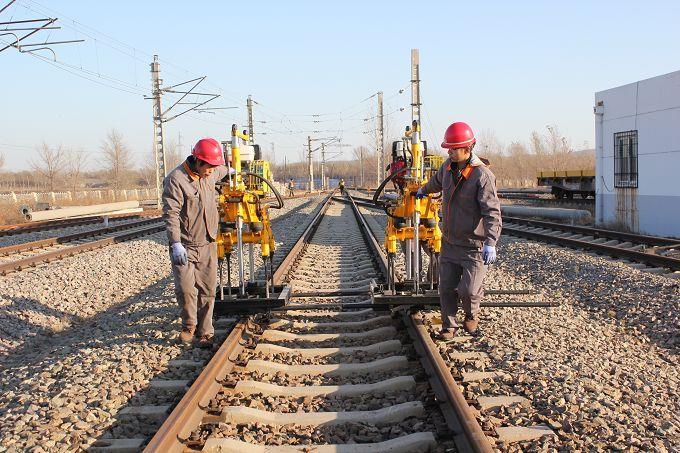
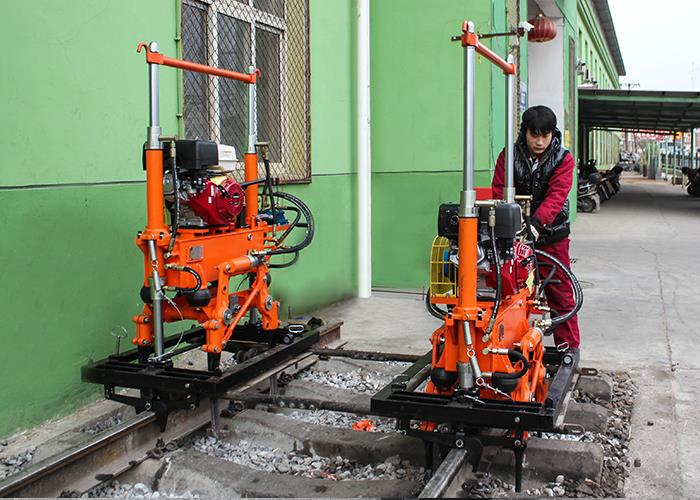
First off, let's quickly go over what a railway tamper is. A Rail Tamper Machine (also known as rail tamping machine) [/rail - tamping - series/hydraulic - rail - tamping - machine/yd - 22 - hydraulic - ballast - tamping - machine.html] is a specialized piece of equipment designed to pack the ballast under the railway tracks. Ballast is the crushed stone or gravel that supports the sleepers (ties) and the rails on top of them. Over time, the ballast can get loose due to the constant vibrations and loads from passing trains. That's where the tamper comes in.
Now, when it comes to bridge tracks, things get a bit more tricky. Bridge tracks have different characteristics compared to regular tracks on the ground. Bridges are usually made of steel, concrete, or a combination of both, and they have to support the weight of the trains while also dealing with environmental factors like wind, temperature changes, and even seismic activity in some areas.
So, how does a railway tamper work on a bridge track? Well, the basic principle is the same as on regular tracks, but there are some key differences in the operation.
Preparation
Before the tamper can start its work on a bridge track, a lot of preparation needs to be done. First, the maintenance crew has to conduct a thorough inspection of the bridge and the tracks on it. They check for any signs of damage to the bridge structure, such as cracks in the concrete or corrosion in the steel. They also look at the condition of the tracks, including the alignment, the tightness of the fastenings, and the state of the ballast.
Once the inspection is done and any necessary repairs are made, the tamper is brought to the site. The tamper needs to be carefully positioned on the bridge track. This is crucial because any misalignment can cause problems during the tamping process. The crew uses special guides and sensors to make sure the tamper is perfectly centered on the track.
The Tamping Process
The tamping process itself involves several steps. Most modern railway tampers, like our YD - 22II Best Selling Hydraulic Rail Tamping Machine [/rail - tamping - series/hydraulic - rail - tamping - machine/yd - 22ii - best - selling - hydraulic - rail - tamping.html], are hydraulic - powered. Hydraulic systems are great because they can provide a lot of force in a controlled way.
The tamper has a set of tamping tools, usually in the form of tines or picks. These tines are inserted into the ballast on either side of the sleepers. The hydraulic system then makes the tines vibrate and move in a specific pattern. The vibrations help to break up the compacted ballast and allow it to flow more easily. At the same time, the tines are forced deeper into the ballast, pushing it under the sleepers to provide better support.
On a bridge track, the crew has to be extra careful with the tamping force. Since the bridge structure is more sensitive than the ground, too much force can cause damage. The tamper operators use sensors and controls to adjust the tamping force according to the specific requirements of the bridge. They also have to be aware of the bridge's natural frequencies. If the vibrations from the tamper match the natural frequency of the bridge, it can cause resonance, which is extremely dangerous and can lead to structural damage.
Alignment and Leveling
Another important aspect of tamping on a bridge track is alignment and leveling. The tracks on a bridge need to be perfectly aligned and level to ensure the safe passage of trains. The tamper is equipped with leveling and alignment systems. These systems use lasers, sensors, and hydraulic actuators to adjust the position of the sleepers and the rails.
The crew measures the alignment and level of the tracks before and after tamping. If any adjustments are needed, the tamper can lift and move the sleepers and rails to the correct position. This is a very precise operation, especially on a bridge where even a small misalignment can have a big impact on the safety and performance of the tracks.
Safety Considerations
Safety is always a top priority when working on bridge tracks. The maintenance crew has to follow strict safety protocols. They wear personal protective equipment (PPE), such as hard hats, safety glasses, and high - visibility vests. They also have to be aware of the traffic on the bridge. In some cases, the railway may need to be closed to traffic during the tamping operation to ensure the safety of the crew and the passengers on the trains.
The tamper itself is also designed with safety features. For example, it has emergency stop buttons that can be activated in case of an emergency. The hydraulic systems are also equipped with pressure relief valves to prevent over - pressurization.
Our Range of Railway Tampers
At our company, we offer a wide range of railway tampers suitable for different types of tracks, including bridge tracks. Our YD - 22II Best Selling Hydraulic Rail Tamping Machine is a popular choice among railway maintenance crews. It's compact, easy to operate, and very efficient. It can handle different types of ballast and can be adjusted to work on various track gauges.
We also have the Hydraulic Ballast Tamper Railway [/rail - tamping - series/hydraulic - rail - tamping - machine/hydraulic - ballast - tamper - railway.html], which is a more heavy - duty option. This tamper is designed for large - scale railway maintenance projects and can work on both regular tracks and bridge tracks with high precision.
Why Choose Our Railway Tampers?
There are several reasons why you should choose our railway tampers. First of all, our machines are built with high - quality materials and advanced technology. We use the latest hydraulic systems and control mechanisms to ensure reliable and efficient operation.
Secondly, we offer excellent after - sales service. Our team of experts is always ready to provide technical support, maintenance, and training to our customers. We understand that railway maintenance is a critical task, and we want to make sure that our customers can rely on our products to get the job done right.
Finally, our prices are competitive. We believe that high - quality railway tampers should be accessible to railway maintenance companies of all sizes. Whether you're a small local operator or a large national railway company, we have a tamper that fits your needs and your budget.
Contact Us for Your Railway Tamper Needs
If you're in the market for a railway tamper, especially for bridge track maintenance, we'd love to hear from you. Our railway tampers are designed to meet the highest standards of quality and performance. Whether you need a small, portable tamper for occasional maintenance or a large, heavy - duty machine for a major project, we've got you covered.
Don't hesitate to reach out to us to discuss your specific requirements. We can provide you with detailed information about our products, including specifications, pricing, and delivery options. Let's work together to keep your railway tracks in top condition!
References
- Railway Engineering Handbook, Second Edition. Editors: John B. Kirkland, John S. Lee.
- Maintenance of Railway Tracks: A Practical Guide. Author: David Blockley.
- Bridge Engineering Handbook, Second Edition. Editor: Wei - Wen Yu.