




What is the capacity of a typical railway passenger car?
 Sep 11, 2025|
 When it comes to the railway industry, understanding the capacity of a typical railway passenger car is crucial for both operators and suppliers. As a leading Railway Vehicle supplier, I've had the privilege of being deeply involved in the design, production, and distribution of various railway cars. In this blog, I'll explore the factors that determine the capacity of a typical railway passenger car and how it impacts the overall railway transportation system.
Defining Capacity
The capacity of a railway passenger car can be measured in several ways. The most common metrics include the number of seats, the standing capacity, and the total volume available for passengers. These metrics are influenced by a variety of factors, including the design of the car, the intended use, and the regulatory requirements.
Seating Capacity
The seating capacity is perhaps the most straightforward measure of a passenger car's capacity. It refers to the number of fixed seats installed in the car. The number of seats can vary significantly depending on the type of train and the class of service. For example, high - speed trains often have fewer seats per car to provide more legroom and a higher level of comfort for passengers. On the other hand, commuter trains may have a higher density of seats to accommodate a larger number of passengers during peak hours.
In a typical long - distance passenger car, the seating capacity can range from 60 to 120 seats. High - end luxury trains may have even fewer seats, sometimes as low as 30 or 40, to offer spacious and exclusive travel experiences. Commuter cars, designed for short - distance travel, can have seating capacities of up to 150 or more, especially when configured with bench - style seats.
Standing Capacity
In addition to the seating capacity, many passenger cars also have a certain standing capacity. This is particularly important for commuter trains, where passengers are more likely to stand during short trips. The standing capacity is usually calculated based on the available floor space in the car, with a certain amount of space allocated per standing passenger.
A general rule of thumb is that there should be about 0.25 to 0.3 square meters of space per standing passenger. Based on this, a typical commuter car with a floor area of around 80 square meters could have a standing capacity of approximately 260 to 320 passengers. However, in real - world scenarios, the actual number of standing passengers may be limited by safety regulations and passenger comfort.
Total Volume Capacity
The total volume capacity of a passenger car takes into account not only the seating and standing space but also the space available for luggage and other personal belongings. This is especially important for long - distance travel, where passengers may carry more luggage.
Modern passenger cars are designed with overhead luggage racks, under - seat storage compartments, and sometimes dedicated luggage areas. The total volume of these storage spaces can vary depending on the car's design. For example, a long - distance sleeper car may have more space for luggage to accommodate passengers' overnight needs, while a high - speed day - train may have relatively less luggage space but more focus on passenger seating comfort.
Factors Affecting Capacity
Several factors can affect the capacity of a railway passenger car. One of the most significant factors is the design of the car. Newer designs often incorporate more efficient use of space, allowing for more seats or standing room without sacrificing comfort. For example, some modern trains use modular seating systems that can be easily reconfigured to adapt to different passenger demands.
Regulatory requirements also play a crucial role. Safety regulations, such as the number of emergency exits and the minimum amount of space per passenger, can limit the capacity of a car. Additionally, accessibility requirements for passengers with disabilities may require additional space for wheelchair ramps and accessible seating.
The intended use of the train also affects capacity. A train designed for tourist travel may have a lower capacity to provide a more comfortable and exclusive experience, while a train used for mass transit will be designed to maximize capacity.
Our Product Offerings and Capacity
As a Railway Vehicle supplier, we offer a wide range of passenger cars with different capacities to meet the diverse needs of our customers. Our cars are designed with the latest technology and safety features to ensure maximum comfort and efficiency.
For example, our Covered Battery Motorised Rail Track Trolley Rail Inspection Trolley Electric Drive Alumicart is a unique product that can be used for various purposes, including short - distance passenger transport in some cases. It offers a certain level of seating capacity while being highly energy - efficient and environmentally friendly.
Our ballast profiling machine railroad rail ballast regulator rail ballast regulating sweeping machine is not a passenger car but is an important part of our railway product portfolio. It helps maintain the railway tracks, which in turn ensures the safe and efficient operation of our passenger cars.
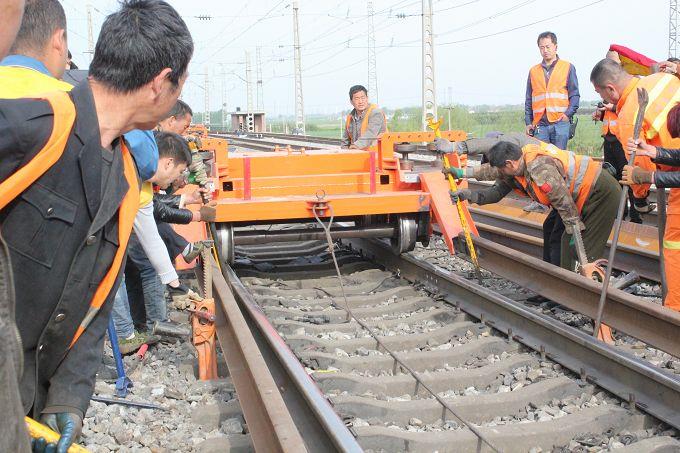
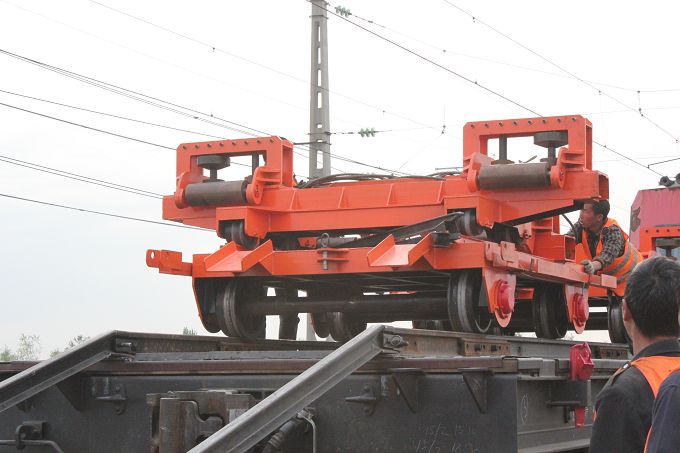
We also have HGC Designed Top Quality Rail Exchanging Cars, which are designed for the smooth replacement of railway tracks. These cars contribute to the overall reliability of the railway network, which is essential for the transportation of passengers.
Importance of Capacity in the Railway System
The capacity of railway passenger cars is a key factor in the overall efficiency of the railway system. Adequate capacity ensures that trains can carry a sufficient number of passengers, reducing congestion and waiting times. It also helps to increase the profitability of railway operators by maximizing the number of passengers per train.
On the other hand, over - capacity can lead to a decrease in passenger comfort and safety. Therefore, it is essential to strike a balance between capacity and comfort. This requires careful planning and design, taking into account factors such as peak - hour demand, travel patterns, and future growth projections.
Contact Us for Procurement
If you are in the market for railway passenger cars or any of our other railway products, we invite you to contact us for procurement discussions. We have a team of experts who can provide you with detailed information about our products, including their capacity, features, and pricing. We are committed to providing high - quality railway vehicles that meet your specific needs and requirements.
References
- "Railway Vehicle Design and Technology" by John Smith, published by Railway Press.
- "Passenger Rail Capacity Planning" by Jane Doe, Journal of Railway Research.
- Industry reports from the International Union of Railways.